

The Future of Residential Living: Exploring Integrated Townships
4.1K
Contents
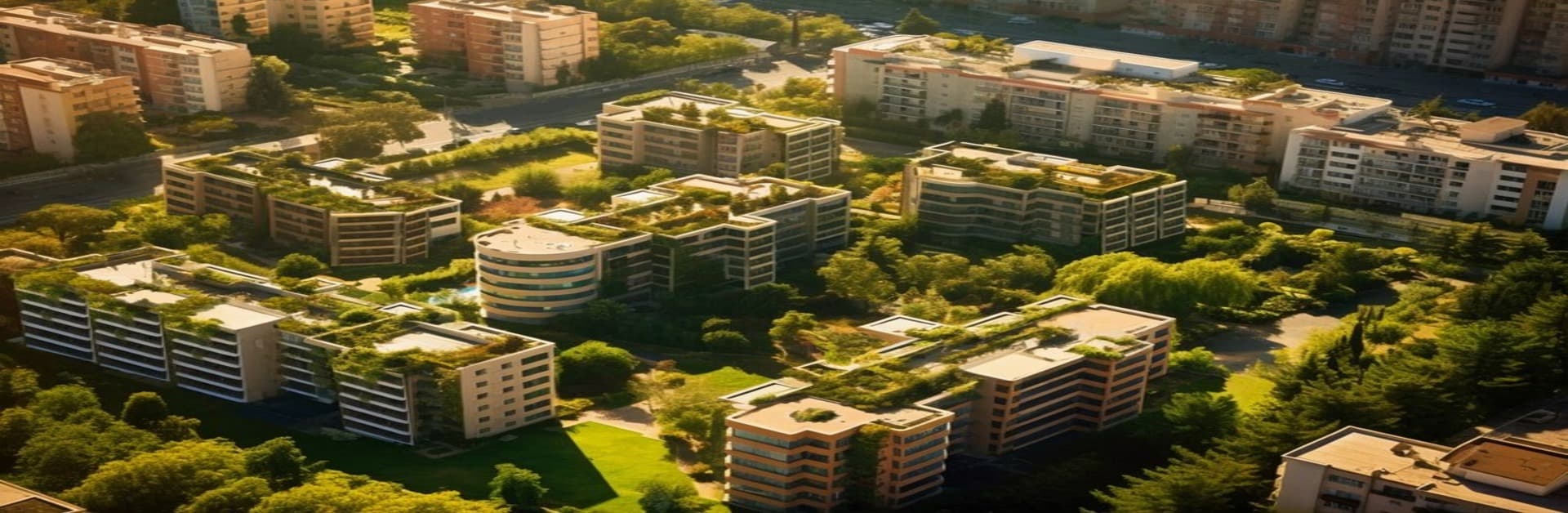
Integrated townships are large-scale residential and commercial developments designed to be self-sufficient communities. They typically include a mix of housing options (like apartments, villas, or row houses), along with essential amenities such as schools, hospitals, shopping centres, parks, and recreational facilities. These townships often also have offices, restaurants, and entertainment zones within the premises, making it convenient for residents to access everything they need without having to travel far.
The goal of an integrated township is to provide a holistic residential living experience by blending residential, commercial, and recreational spaces, all within a single, well-planned environment. This concept has become popular in urban areas where space is limited, and people prefer living in well-connected, organized communities.
Design and Planning of Integrated Townships
- Sustainable Urban Planning Principles: Integrated townships are built with a focus on sustainability, ensuring efficient use of resources, minimal environmental impact, and promoting green living. This includes energy-efficient buildings, waste management systems, and water conservation practices.
- Mixed Land Use and Zoning: A key feature of integrated townships is the integration of various land uses within a single area. Residential, commercial, educational, and recreational spaces are carefully zoned to create a balanced environment where residents can live, work, and play without long commutes.
- Sustainable Townships: Some townships are often referred to as sustainable townships because these townships are designed with a focus on environmental conservation, resource efficiency, and minimal carbon footprint. They incorporate green building practices, renewable energy, water conservation, waste management systems, and abundant green spaces, all while promoting a balanced and self-sufficient lifestyle for residents. These townships prioritise green spaces like parks, gardens, and playgrounds, promoting a healthy lifestyle. Recreational amenities such as sports facilities, swimming pools, and clubhouses encourage community engagement and physical activity.
Read More: What is Township in Real Estate: Definition & Benefits
Benefits of Integrated Townships
- Convenience and Accessibility: Everything you need, from schools and hospitals to shopping centres and entertainment options, is located within the township. This reduces the need for long commutes and ensures that all essential services are easily accessible.
- Quality of Life: The well-planned infrastructure, ample green spaces, and high-quality amenities contribute to an enhanced quality of life. Residents can enjoy a balanced lifestyle with work, leisure, and relaxation, all within close proximity.
- Security and Safety: Integrated townships are typically gated communities with 24/7 security, surveillance systems, and controlled access points, providing a secure environment for families and individuals.
- Sustainability: Integrating townships minimises their environmental footprint by incorporating sustainable practices in construction and planning. Features like rainwater harvesting, solar power, and waste recycling are often standard, contributing to a greener lifestyle.
- Social Interaction and Community Building: The residential integrated township design encourages social interaction through communal spaces, events, and activities. This fosters a strong sense of community among residents, leading to better relationships and a supportive living environment.
- Infrastructure and Urban Planning: These townships are meticulously planned with well-laid roads, efficient public transport, and reliable utilities. The integrated infrastructure ensures smooth functioning and long-term urban development.
- Investment Value: Properties in integrated townships often appreciate in value due to their comprehensive amenities, strategic location, and the increasing demand for organised living spaces. This makes them a sound investment choice for both homebuyers and investors.