

What is Township in Real Estate: Definition & Benefits
4.8K
Looking to understand what is township in real estate? Learn how a township development combines housing, amenities, and infrastructure in one integrated space. Discover key features, future growth in 2025, and how a township in real estate creates convenience, safety, and value.
Contents
Integrated Townships: A New Era in Real Estate
In recent years, the real estate industry has witnessed a significant shift towards the development of integrated townships, heralding a new era in urban planning and community living. To understand the integrated township meaning, one must look at how these self-contained communities incorporate residential, commercial, and recreational spaces, as well as all necessary amenities, within a well-designed environment. They prioritize efficient land use, connection, and community living in order to create sustainable and lively settings. This is the reason why integrated townships attract so many investors and buyers these days. They transform how we live, work, and interact, establishing a new benchmark in the real estate business.
What Is Township in Real Estate
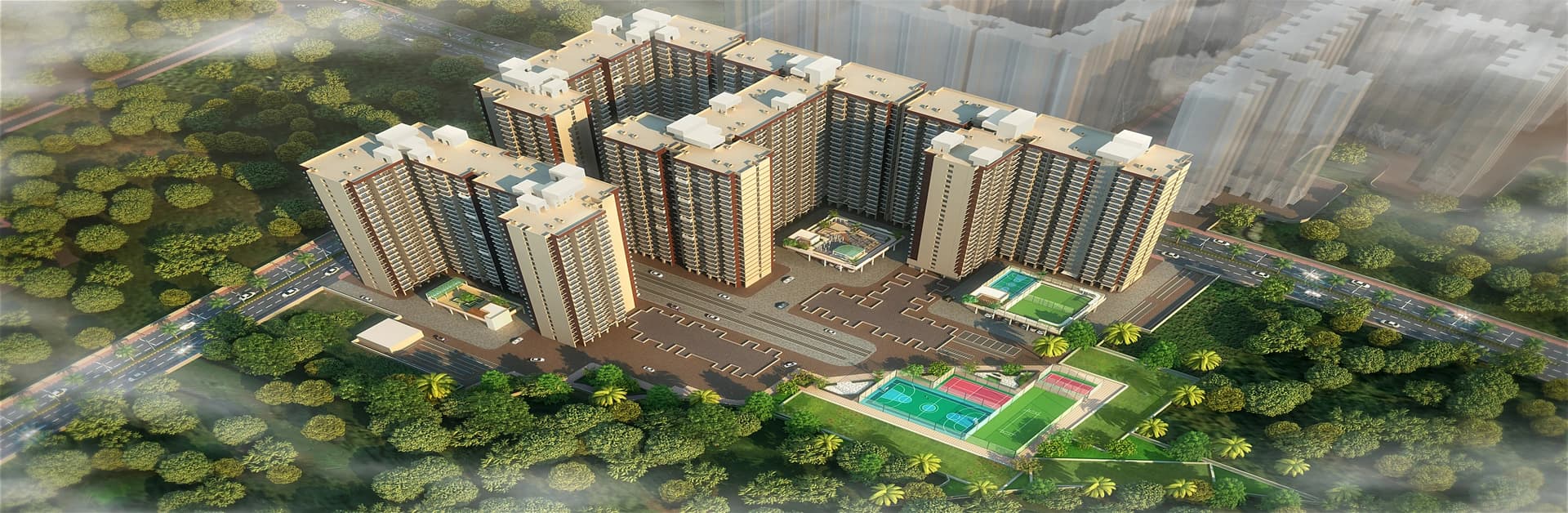
A township in real estate refers to a large, planned development that combines homes, commercial areas, public facilities, and green spaces into one unified space. Rather than scattering different needs across the city, a township brings them together. It’s not just a housing project but a complete environment where people can live, work, and connect with one another, all within the same boundary. These township projects are designed to function as mini-cities that provide a holistic lifestyle.
Key Elements of Residential Township Developments
The strength of any township development lies in how it balances independence with interconnection. Some essential elements include:
- A variety of housing options, from compact flats to spacious villas
- Retail zones with shops, grocery stores, and cafes within walking distance
- Access to schools and learning centres to serve young families
- Healthcare services, like clinics or hospitals, located inside the township
- Public amenities like parks, jogging tracks, and community centres
- Internal roads and transport systems designed for smooth travel
- Green initiatives such as solar power, rainwater harvesting, and waste segregation
- Safety features, including security checkpoints and surveillance systems
These elements support residents’ day-to-day lives and enhance long-term convenience in modern residential township projects.
Key Factors Affecting a Township in Real Estate
The success of a township in real estate depends on more than just design. Several factors influence its long-term value and popularity:
- Connectivity: Easy access to nearby highways, public transport, and job hubs
- Developer credibility: Established developers inspire more trust in quality and delivery timelines
- Civic infrastructure: Availability of water, electricity, and waste management
- Zoning laws and permissions: Local regulations can impact the scale of construction
- Economic stability: A healthy property market ensures better appreciation over time
All these factors play a role in making a township sustainable and desirable for those looking to invest in township properties.
Future Prospects of Real Estate Township in 2025
As urban areas become denser, the demand for integrated living will grow. The year 2025 is likely to see township development become the preferred model, especially in Tier 1 and 2 cities. Developers are expected to focus more on digital infrastructure, green certifications, and mixed-use designs.
Townships will increasingly support remote work, with co-working zones and tech-friendly facilities. They will also place a higher emphasis on wellness which means more open spaces, organic produce markets, and community engagement platforms.
The Value Proposition of Townships: Convenience and Lifestyle Enhancements
Integrated townships do offer a value proposition by offering convenience and enhancing residents' lifestyles. They bring together essential amenities, schools, healthcare, and retail within easy reach. With comprehensive infrastructure and efficient utilities, residents enjoy hassle-free living. The integration of recreational spaces and community events promotes an active and vibrant lifestyle.
Moreover, safety measures practices within the township ensure peace of mind and add to the overall appeal. Townships also offer attractive investment potential.
In summary, townships in real estate offer convenience, enhanced quality of life, safety, and investment opportunities, making them desirable places to live.