

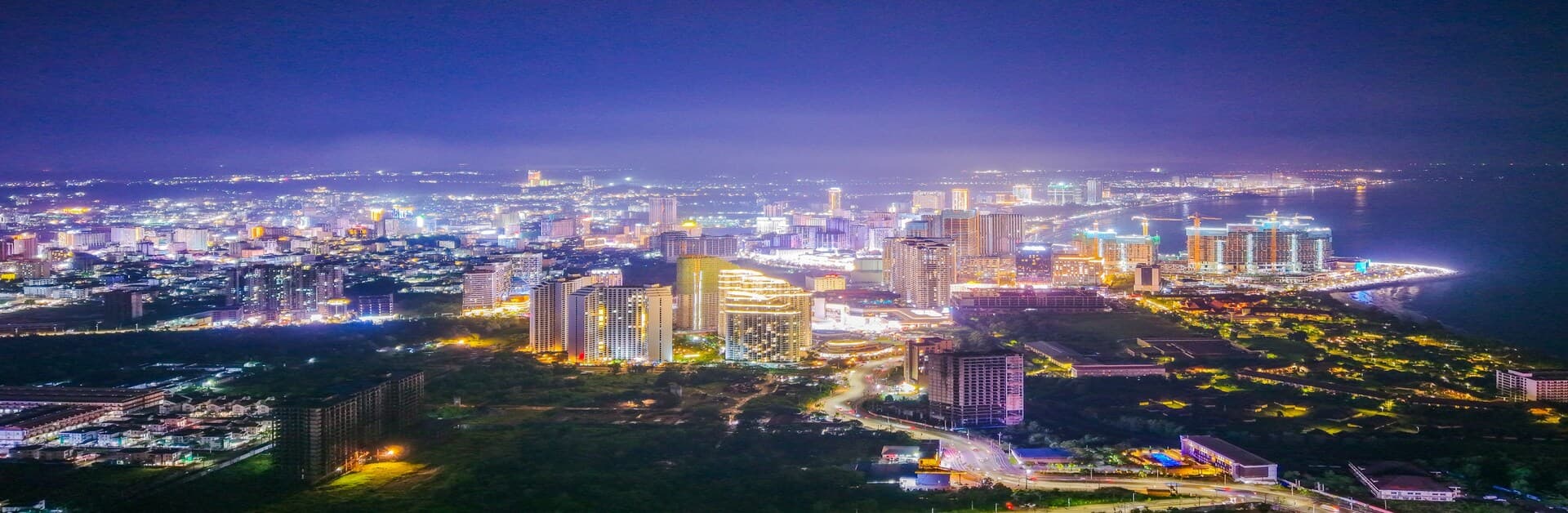
What Makes a Location ‘Future-Ready’ for Real Estate Growth
Contents
- Infrastructure as the Foundation of Growth
- Employment Corridors and Economic Activity
- Urban Planning and Zoning Policies
- Social Infrastructure and Lifestyle Amenities
- Connectivity and Transit-Oriented Development
- Supply Dynamics and Future Scalability
- Demographic Trends and Buyer Preferences
- Developer Credibility and Quality of Development
- Long-Term Vision Over Short-Term Gains
- Conclusion
Choosing the right location is one of the most critical decisions in real estate investment. While current demand may influence short-term prices, long-term real estate growth depends on how prepared a location is for future economic, social, and infrastructure changes. A future-ready location is one that can sustain demand, adapt to evolving lifestyles, and support consistent value appreciation over time. Understanding these indicators helps homebuyers and investors make smarter, forward-looking decisions.
Infrastructure as the Foundation of Growth
Infrastructure development is often the earliest signal of future potential. Roads, metro corridors, airports, and civic upgrades significantly improve accessibility and liveability. Locations that are well integrated with transport networks tend to attract both end-users and businesses, accelerating real estate growth.
Planned infrastructure also plays a key role in identifying a prime location, as improved connectivity reduces commute times and enhances everyday convenience. Over time, this directly influences buyer demand and long-term investment viability.
Employment Corridors and Economic Activity
Sustainable real estate markets are closely linked to employment generation. Locations near IT parks, industrial clusters, business districts, and commercial hubs experience steady housing demand. These employment-driven zones often evolve into some of the best areas for real estate investment, as they support both rental yield and capital appreciation.
When job creation is consistent, it strengthens long-term property value growth, making the surrounding residential micro-markets more resilient to market cycles.
Urban Planning and Zoning Policies
Future-ready locations benefit from structured urban planning rather than unplanned expansion. Proper zoning, mixed-use development, open spaces, and access to essential services contribute to balanced growth. Such planning enhances the long-term appeal of real estate locations, especially for families and working professionals.
Well-planned areas are also more likely to emerge as a prime location, as organised development reduces congestion and supports a higher quality of life.
Social Infrastructure and Lifestyle Amenities
Schools, hospitals, retail centres, and recreational spaces are critical components of future-ready neighbourhoods. Locations with strong social infrastructure tend to witness steady demand, even during slower market phases.
These amenities contribute directly to real estate growth by improving livability and attracting long-term residents. Over time, areas with established lifestyle infrastructure often rank among the best areas for real estate investment, as they support consistent end-user demand.
Connectivity and Transit-Oriented Development
Transit-oriented development has become a major growth driver in Indian cities. Locations aligned with metro lines, expressways, and public transport hubs experience faster absorption and stronger appreciation.
Such connectivity enhances the attractiveness of real estate locations, while also improving daily convenience. This sustained demand plays a crucial role in long-term property value growth, particularly in expanding urban corridors.
Supply Dynamics and Future Scalability
Future-ready locations strike a balance between supply and demand. Areas with excessive unsold inventory may struggle to deliver appreciation, while locations with limited but well-planned supply often perform better.
Scalability is key—locations that can accommodate future residential and commercial development without compromising infrastructure are more likely to sustain real estate growth over the long term. These areas gradually transform into a prime location within the city’s growth map.
Demographic Trends and Buyer Preferences
Changing demographics influence how cities expand. Younger professionals prefer connectivity and rental flexibility, while families prioritise space and amenities. Locations that cater to evolving preferences tend to outperform others.
Such adaptability strengthens property value growth and positions these micro-markets among the best areas for real estate investment, particularly as cities expand outward.
Developer Credibility and Quality of Development
The presence of reputed developers adds long-term credibility to a location. Quality construction, adherence to timelines, and integrated community planning improve buyer confidence and sustain demand.
Over time, developments by trusted brands elevate surrounding real estate locations, reinforcing their potential for long-term property value growth.
Long-Term Vision Over Short-Term Gains
Future-ready locations are not always the most expensive today. Instead, they are defined by upcoming infrastructure, employment prospects, and urban planning. Investors who focus on fundamentals rather than speculation are more likely to benefit from sustained real estate growth.
Conclusion
A future-ready location is one that aligns infrastructure, employment, planning, and lifestyle needs into a sustainable growth ecosystem. From identifying a prime location to evaluating emerging corridors among the best areas for real estate investment, informed decision-making is essential. As Indian cities continue to evolve, selecting adaptable and well-connected real estate locations remains the key to achieving long-term property value growth and stable returns.