

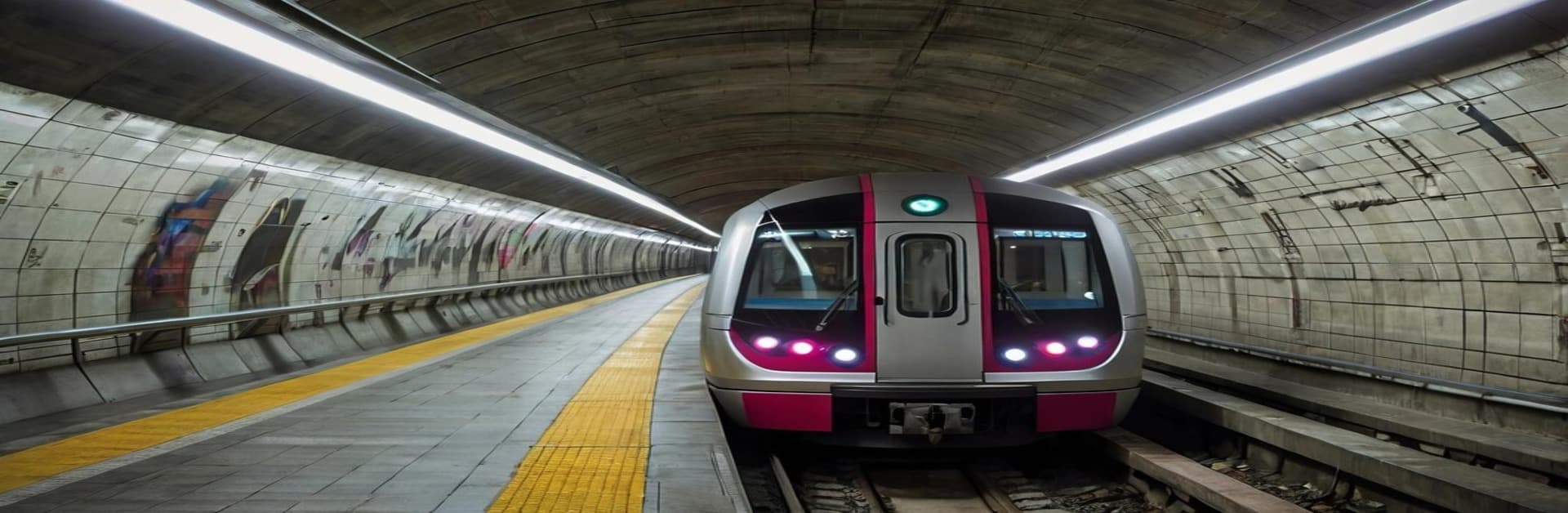
Mumbai's First Underground Metro Line: Aqua Line 3
3.3K
Contents
- Key Features of Mumbai Metro Aqua Line 3
- 1. Underground Construction
- 2. Integration with Existing Infrastructure
- 3. State-of-the-Art Technology
- 4. Sustainable Transport Solution
- Timeline and Current Progress of Mumbai Metro Aqua Line 3
- Impact on Commuters and the City Mumbai Metro Aqua Line 3
- 1. Reduced Travel Time
- 2. Ease of Access
- 3. Economic Development
- 4. Environmental Benefits
- Challenges and Considerations of Mumbai Metro Aqua Line 3
- The Final Word
Mumbai Aqua Line 3 is a significant part of Mumbai’s metro expansion plan, specifically designed to enhance connectivity between the western suburbs and the island city. Spanning approximately 33.5 kilometres, this line will connect Colaba in the south to Sewri in the east and Wadala in the west, strengthening overall Mumbai metro connectivity. The line will include 27 stations, with about 22 kilometres constructed underground, making it the first of its kind in the city. The project aims to provide a swift and reliable mode of transport, cutting down commuters' travel time significantly.
Key Features of Mumbai Metro Aqua Line 3
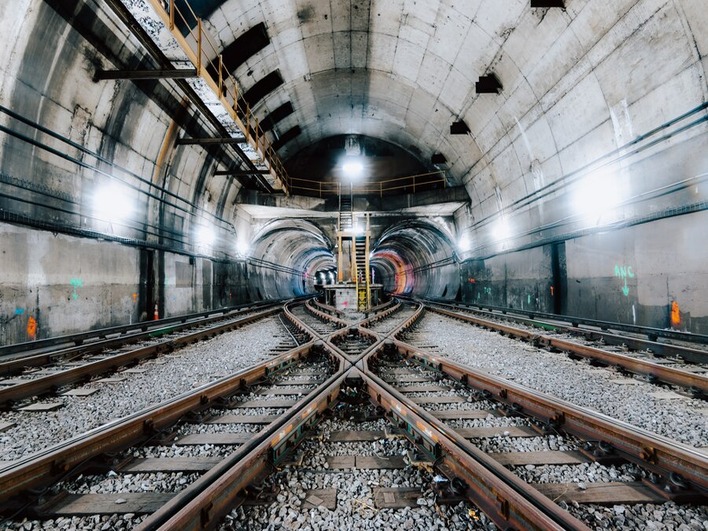
1. Underground Construction
The Mumbai Metro’s underground stretch includes advanced tunnelling technology and safety measures to ensure the smooth operation of trains.
2. Integration with Existing Infrastructure
Mumbai Aqua Line 3 will seamlessly integrate with the existing metro lines and suburban railway networks, facilitating easy transfers for commuters. Key interchanges with other metro lines will be located at Wadala, Bandra, and Colaba, enhancing overall connectivity across the city. Here’s a list of some major stations along the Mumbai Metro Line 3 route map:
● Colaba
● Cuffe Parade
● Churchgate
● Dadar
● Wadala
● Sewri
3. State-of-the-Art Technology
The metro trains operating on Mumbai metro line 3 will feature modern amenities, including automatic train control systems, energy-efficient operations, and comfortable interiors. The line will also be equipped with advanced safety features, including smoke detection, CCTV surveillance, and emergency communication systems.
4. Sustainable Transport Solution
As Mumbai grapples with severe air pollution and traffic congestion, aqua line metro, Mumbai serves as a sustainable alternative to road transport. By encouraging the use of public transportation, the Mumbai Metro Aqua line aims to reduce vehicular emissions and promote a greener environment.
Read More: Mumbai's Infrastructure Projects in 2024
Timeline and Current Progress of Mumbai Metro Aqua Line 3
The Mumbai Metro Aqua Line 3 project was initiated in 2016 and has undergone various phases of construction. Despite facing challenges such as delays due to the COVID-19 pandemic, the project has made significant progress. The MMRDA has been actively working on tunnelling and station construction, with several sections of the line already completed.
The metro line is expected to be operational by 2024, with test runs scheduled for later this year. The completion of Mumbai Aqua Line 3 will enhance public transport options and stimulate economic growth in the regions it serves, attracting businesses and investments.
Impact on Commuters and the City Mumbai Metro Aqua Line 3
Aqua Line 3 is anticipated to have a significant impact on Mumbai’s urban landscape and daily commuters:
1. Reduced Travel Time
Currently, commuting between Colaba and Wadala can take up to an hour due to heavy traffic. With the Aqua Line, this journey is expected to be reduced to just 30 minutes, providing a much-needed respite for daily commuters.
2. Ease of Access
The line will significantly improve access to various commercial, educational, and recreational hubs within the city. Key locations, including major business districts, colleges, and shopping centres, will become more accessible, benefiting both residents and visitors.
3. Economic Development
The introduction of Aqua Line 3 is likely to spur economic activities in the areas surrounding the stations. Improved connectivity will encourage investments, leading to job creation and enhancing the overall economic landscape of Mumbai.
4. Environmental Benefits
Aqua Line 3 promotes public transportation to alleviate the environmental challenges posed by increasing vehicle numbers on the roads. A shift towards metro rail usage can lead to a significant reduction in air pollution and traffic congestion.
Read More: Impact of Navi Mumbai Metro on Connectivity & Real Estate
Challenges and Considerations of Mumbai Metro Aqua Line 3
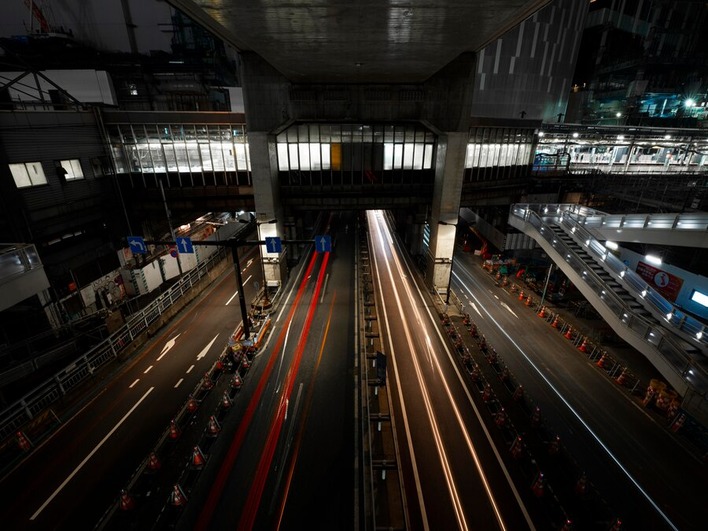
Despite being a groundbreaking project, the Aqua Line 3 has faced several challenges, including construction delays due to geological issues, approval processes, and the impact of the pandemic. These hurdles have affected the timeline, but the MMRDA has actively worked to keep the project on track. Additionally, cost overruns have been a concern, driven by rising construction expenses and the use of advanced technology. Effective project management is essential to keep the budget under control. While the underground nature of the project minimises land acquisition, negotiations and compensations for affected residents remain vital for ensuring community support and smooth project execution.
The Final Word
Mumbai’s Aqua Line 3 marks a significant milestone in the city’s quest for a modern and efficient public transportation system. As the first underground metro line in Mumbai, it promises to transform urban commuting, making it faster, more accessible, and environmentally friendly. With the completion of Aqua Line 3 on the horizon, Mumbai residents eagerly await the day when they can enjoy the convenience and efficiency of this groundbreaking metro line.