

How to Calculate Built Up Area from Plot Area
Contents
A property’s built up area calculation helps buyers, developers, and homeowners estimate the actual usable space. Understanding the built up area meaning allows better planning, accurate pricing, and compliance with real estate regulations. It includes the carpet area, walls, and balconies but excludes common spaces like staircases and corridors. A clear understanding of this calculation ensures transparency in property transactions and prevents disputes between buyers and sellers.
What is Built Up Area?
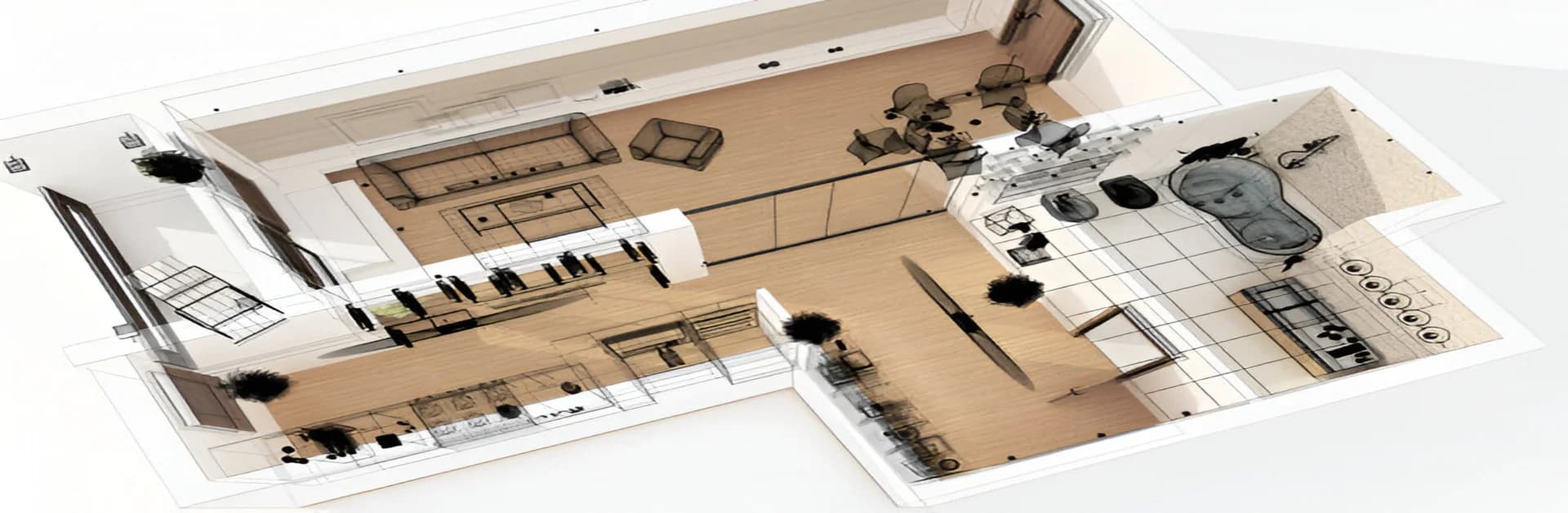
The built up area meaning refers to the total constructed area of a property. It comprises:
- Carpet area (actual usable floor space inside walls)
- Thickness of internal and external walls
- Balcony and terrace (if covered)
- Utility areas such as washrooms and small storage spaces
The built up area is always larger than the carpet area but smaller than the super built-up area, which includes shared spaces like corridors, stairwells, and lifts. Builders often use built-up area measurements when advertising property sizes, so understanding these terms helps buyers make informed decisions.
How to Calculate Built Up Area from Plot Area
The built up area calculation depends on factors such as the permissible Floor Area Ratio (FAR) or Floor Space Index (FSI) imposed by local authorities. A general formula for estimating the built up area is:
Built Up Area = Carpet Area + Walls Area + Balcony Area
To estimate the built up area, consider:
- It is usually 10-25% more than the carpet area, depending on construction design.
- It forms around 75-85% of the super built-up area.
- Regulations may limit the maximum allowable built up area on a given plot.
Example Calculations
If a plot measures 2,000 sq. ft. with an FAR of 1.5, the maximum permissible built up area is:
- 2,000 sq. ft. × 1.5 = 3,000 sq. ft.
If the carpet area is 2,200 sq. ft., and the walls and balconies take up 30%, the built up area becomes:
- 2,200 + (2,200 × 0.3) = 2,860 sq. ft.
This method helps in evaluating property size and determining construction feasibility.
Factors Affecting Built Up Area
- Local Building Regulations: Authorities define the allowable construction area based on zoning laws.
- Floor Area Ratio (FAR/FSI): Governs the maximum buildable space on a plot.
- Architectural Design: The inclusion of balconies, terraces, and structural elements impacts the built-up area.
- Plot Shape and Size: Irregularly shaped plots may have variations in their allowable built up area.
- Common Facilities: Properties with shared amenities may have different built-up area calculations based on society rules.
The Final Word
Knowing the built up area meaning and applying the correct built up area calculation ensures buyers and developers make well-informed decisions. Always check floor plans, verify legal approvals, and understand FAR limits before purchasing or constructing a property. A precise calculation avoids future legal complications and ensures proper utilisation of the available land.