

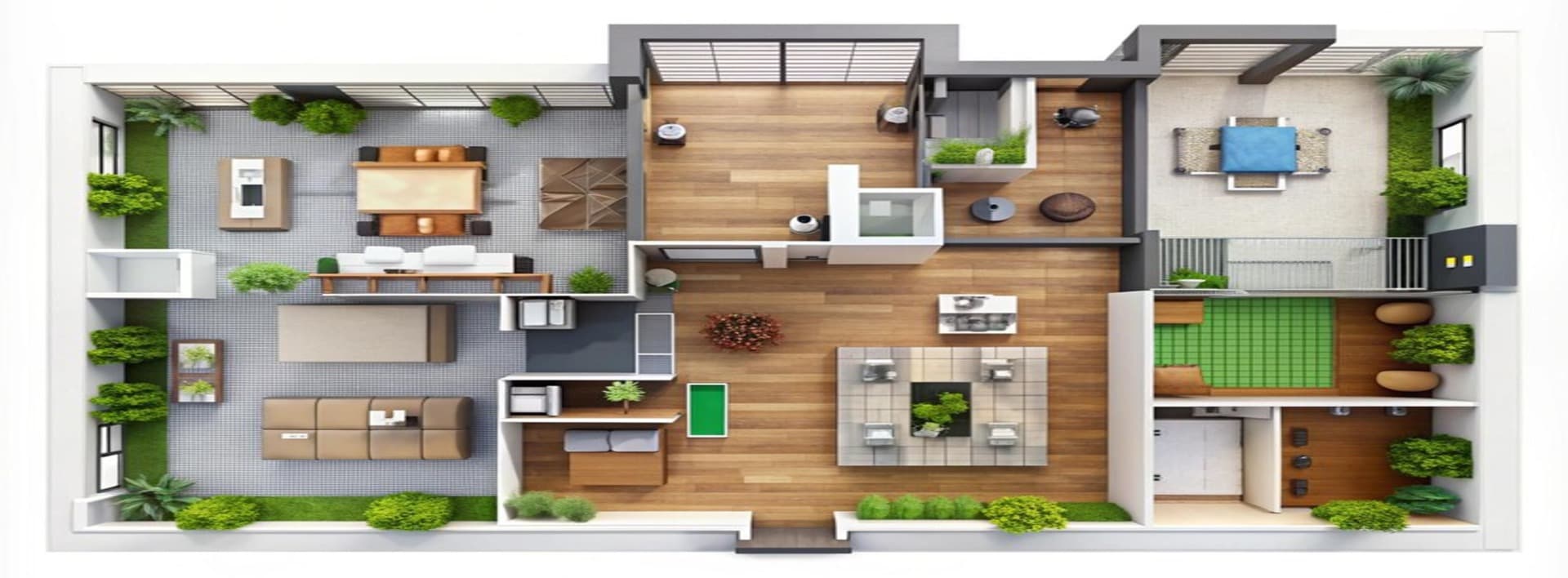
Difference Between Carpet Area, Built-up Area, and Super Built-up Area
4.3K
Contents
Understanding the space measurements used in real estate is essential when buying or renting a property. These terms - carpet area, built-up area, and super built-up area - are more than just numbers; they directly affect the property's functionality, cost, and value. Unfortunately, many homebuyers find these terms confusing, leading to misunderstandings during the purchase process.
To make well-informed decisions, it’s crucial to understand what these terms mean and how they differ clearly.
Carpet Area
A carpet area is the actual usable space inside the walls of a property. It is the floor area that a carpet, hence the name, can cover. Simply put, the carpet area is where you live, move around, and place your furniture. It doesn’t include external walls, balconies, terraces, or any common areas of the building.
The Real Estate (Regulation and Development) Act (RERA) of 2016 has made it mandatory for developers in India to disclose a property's carpet area, ensuring transparency in the real estate market.
Read More: Distinction Between the Carpet Area and the RERA Carpet Area
Built-up Area
The built-up area includes the carpet area, plus the thickness of internal and external walls and additional spaces such as balconies, terraces, or verandas. Essentially, it is the carpet area plus the area occupied by walls and certain other non-living areas.
Typically, the built-up area is about 10-20% larger than the carpet area. Builders often quote the built-up area because it gives an inflated sense of space, but it’s important to remember that not all of this space is usable. Walls, balconies, and terraces contribute to the built-up area but don’t add to the interior living space of your home.
Read More: All About Difference Between Carpet Area and Built-up Area
Super Built-up Area
Super built-up area is a more comprehensive term and is often referred to as the "saleable area" in the real estate industry. It includes the built-up area along with a proportionate share of the common areas in a building. These common areas typically include lobbies, staircases, elevators, corridors, clubhouses, and even amenities like gyms or swimming pools.
Super built-up area is the measurement most developers use when quoting the overall size of a property and calculating its price. Since the super built-up area includes portions of communal spaces, the cost per square foot is generally based on this larger figure. This can be misleading because the buyer may feel like they’re purchasing more space than they’ll actually be able to use.
Read More: Understanding Terminologies Of Carpet Area and Super Built Up Area
Key Differences Between Carpet Area, Built-up Area, and Super Built-up Area
To simplify the difference between between built-up area, carpet area, and super built-up area, here’s a table:
| Feature | Carpet Area | Built-up Area | Super Built-up Area |
| Definition | The carpet area is the usable floor space within a property's walls, excluding wall thickness. | The built-up area consists of the carpet area, and wall thickness, and includes balconies and terraces. | The super built-up area includes the built-up area and shares of common spaces like lobbies and staircases. |
| Includes | The carpet area includes all rooms, living spaces, and the kitchen—where people can walk and place furniture. | The built-up area includes the carpet area, wall thickness, and additional spaces like balconies and terraces. | The super built-up area includes the built-up area and a share of common spaces like lobbies and elevators. |
| Excludes | It excludes the thickness of walls, balconies, terraces, and shared common areas. | The built-up area excludes shared spaces like staircases and lobbies. | The super built-up area includes all shared spaces, combining built-up and common areas. |
| Importance | The carpet area is important to buyers as it reflects the usable space in the property. | The built-up area is slightly larger than the carpet area because it includes a few extra spaces. | Developers often base property prices on total land areas, despite some parts being unusable. |
| Approximate Size | Carpet area typically makes up about 70% of a building's total space, but this can vary based on design. | The built-up area is typically 10-20% larger than the carpet area, giving a clearer picture of the overall space. | The super built-up area is 25-30% larger than the carpet area, including shared spaces. |
The Final Word
Understanding the difference between super built-up area, carpet area, and built-up area is essential for making informed real estate decisions. While the super built-up area may seem appealing due to its larger number, it’s the carpet area that matters most to your daily living experience. Always ask for a detailed breakdown of these areas when purchasing a property to avoid any surprises later.
Remember, bigger numbers don’t always mean more usable space!