
How Godrej Reserve Will Transform Connectivity Around the Goregaon-Mulund Link Road & Borivali-Thane Link Road
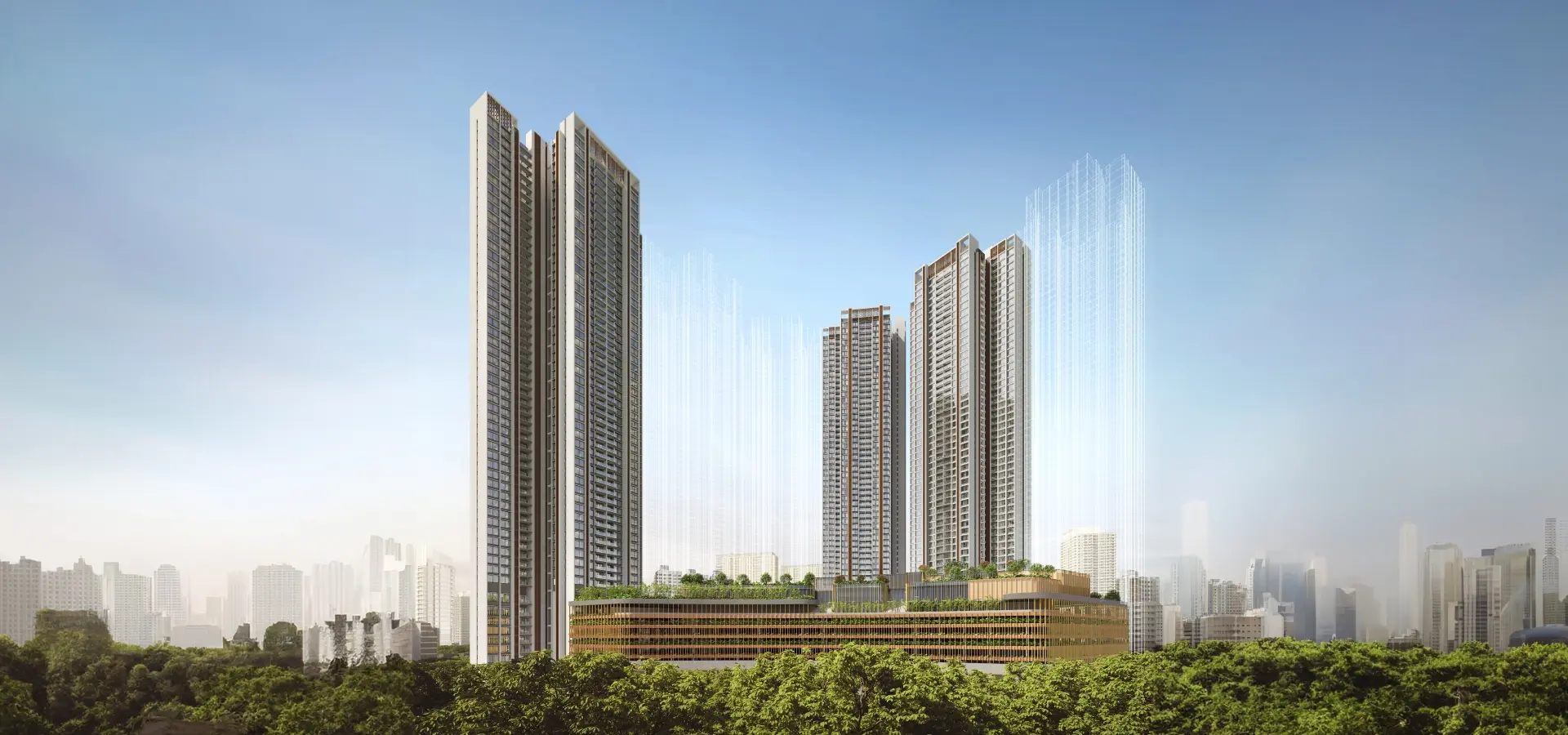
Godrej Reserve is strategically positioned near two of Mumbai’s most important infrastructure upgrades, the Goregaon - Mulund Link Road, the larger GMLR project, and the Borivali - Thane Link Road. These upcoming corridors will drastically reduce travel time, enhance East–West connectivity, and elevate the region’s real-estate value. With improved access to major business hubs and smoother inter-suburban movement, the area around Godrej Reserve is set to become one of the most connected and sought-after residential zones in Mumbai.
Contents
- The Goregaon-Mulund Link Road (GMLR): A Game-Changing East-West Corridor
- Key highlights of the Goregaon Mulund Link Road project:
- Borivali-Thane Link Road: Bridging Key Suburban Nodes
- Connectivity Impact on the Surrounding Region
- 1. Enhanced Daily Commutes
- 2. Improved Multi-Modal Integration
- 3. Accessibility
- Urban Development & Future Opportunities
- Conclusion
Connectivity infrastructure plays an important role in shaping urban development, commuting patterns, and real estate growth. In Mumbai’s rapidly evolving scenario, two major corridors, the Goregaon-Mulund Link Road and the Borivali-Thane Link Road, are all set to redefine connectivity across the western and eastern suburbs, bringing noticeable transformation to areas like Kandivali and its surroundings.
This guide explores how these projects are expected to enhance connectivity and, in turn, improve accessibility around emerging hubs such as Godrej Reserve’s location.
The Goregaon-Mulund Link Road (GMLR): A Game-Changing East-West Corridor
The Goregaon-Mulund Link Road, often known as the GMLR, is one of the most ambitious transport infrastructure projects currently underway in the Mumbai Metropolitan Region. It is designed to create a direct east-west connection between Goregaon on the Western Express Highway and Mulund on the Eastern Express Highway, bypassing the usually congested existing routes like the Ghodbunder Road and Jogeshwari-Vikhroli Link Road (JVLR).
Key highlights of the Goregaon Mulund Link Road project:
- The road spans approximately 12 to 12.5 km, featuring two long tunnels under the Sanjay Gandhi National Park (SGNP) as well as elevated sections and flyovers to ensure smooth traffic flow.
- It aims to cut travel time from 75 - 80 minutes to just 20 - 25 minutes between Goregaon and Mulund, dramatically reducing commute stress for daily travelers.
- With this project, vehicles will no longer need to take long detours through the congested JVLR or Ghodbunder Road, which often face peak-hour traffic.
Once completed, around 2028, the Goregaon-Mulund Link Road will not just ease traffic but reshape urban connectivity across western and eastern Mumbai. By linking two major employment and residential belts, it enhances access to business districts, employment hubs, and transit nodes.
Borivali-Thane Link Road: Bridging Key Suburban Nodes
Parallel to the GMLR, the Borivali-Thane Link Road represents another transformative corridor, this time connecting the northern stretches of Borivali and Thane directly. Proposed as an underground twin-tunnel link under portions of the Sanjay Gandhi National Park, this project aims to cut travel time remarkably, in some reports to around 15 minutes, between Borivali and Thane.
By effectively providing a fast east-west route, the Borivali-Thane Link Road enhances connectivity for commuters who previously faced long, winding drives through surface roads. This connection holds the promise of integrating Western and Eastern suburbs more tightly into the larger urban framework.
Connectivity Impact on the Surrounding Region
The combined impact of the Goregaon Mulund Link Road and the Borivali Thane Link Road stretches beyond just faster travel times; it reshapes how people live, work, and access amenities:
1. Enhanced Daily Commutes
- Commuters will enjoy significantly shorter travel times across suburban corridors, reducing dependency on overloaded east-west routes.
- Once peripheral areas become far more accessible, opening up alternative residential and employment locations.
2. Improved Multi-Modal Integration
- With faster road connections, integration with suburban rail, metro, and proposed transit expansions becomes smoother.
- Residents can combine modes, for example, a shorter car or bus ride to a central rail station, enhancing overall mobility.
3. Accessibility
- The connectivity improvements benefit not only daily commuters but also students, professionals, and service vehicles accessing key hubs across the region.
- Enhanced links to major highways, express road networks, and transit nodes make it easier to reach distant parts of Mumbai and beyond.
Urban Development & Future Opportunities
Such transformative corridors often act as catalysts for balanced urban growth. As commute times shrink and accessibility improves:
- Peripheral localities begin attracting new residential and commercial interest.
- Infrastructure-driven demand helps shape future development patterns.
- Ease of access encourages businesses and services to decentralize beyond traditional hubs.
Conclusion
The Goregaon-Mulund Link Road project and the Borivali-Thane Link Road are poised to change how Mumbai’s suburbs connect. By reducing travel times, decongesting existing routes, and integrating disparate zones into a cohesive road network, these corridors will enhance everyday mobility and unlock new opportunities for urban growth.
Improved connectivity around these link roads will not only benefit commuters but also shape the long-term development trajectory for the wider metropolitan region, making it more efficient, accessible, and future-ready.