

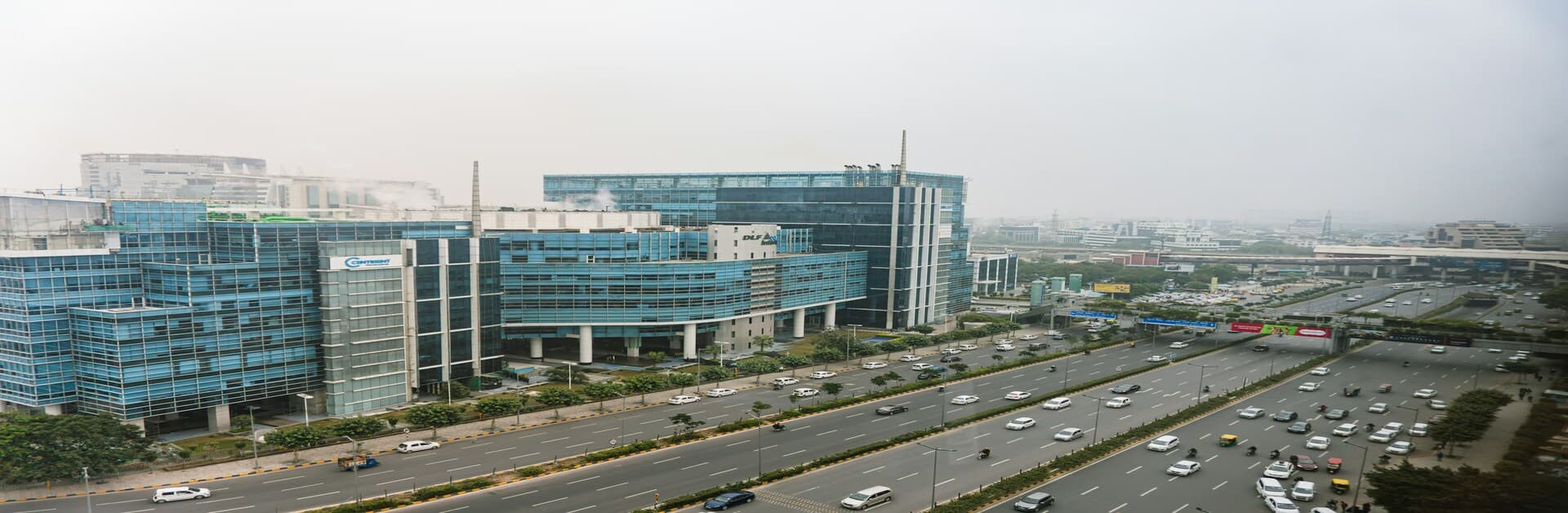
Why Tier-2 Cities Are Becoming Attractive Real Estate Investment Destinations
This blog explains why Tier-2 cities in India are becoming attractive real estate investment destinations. It highlights factors such as affordability, infrastructure development, economic growth, and improving quality of life driving demand in these cities. The blog also notes rising opportunities in both residential and commercial real estate.
Contents
- Affordability Compared to Metro Cities
- Infrastructure Development Driving Demand
- Economic Expansion Beyond Metro Cities
- Rising Demand for Commercial and Residential Spaces
- Improved Quality of Life
- Government Policies Supporting Urban Growth
- Long-Term Appreciation Potential
- Growing Interest Among First-Time Investors
- Conclusion
India’s real estate landscape is undergoing a major transformation as Tier-2 cities emerge as strong growth hubs for homebuyers and investors. Rising prices in metro cities, improving infrastructure, and economic decentralisation are encouraging buyers to explore opportunities beyond traditional metropolitan markets. Today, real estate investment is no longer concentrated only in cities like Mumbai, Delhi, or Bengaluru. Emerging urban centres are increasingly attracting attention due to affordability, infrastructure development, and long-term appreciation potential.
Cities such as Indore, Jaipur, Lucknow, Coimbatore, Ahmedabad, and Nagpur are rapidly evolving into modern urban ecosystems supported by connectivity upgrades, industrial expansion, and lifestyle infrastructure. Industry reports indicate that improving infrastructure and affordability are among the biggest drivers behind this shift toward Tier-2 real estate growth. (crematrix.com)
Affordability Compared to Metro Cities
One of the biggest reasons Tier-2 cities are gaining popularity is affordability. Property prices in metro cities have increased significantly over the years, making it difficult for many buyers to enter the market. In contrast, smaller cities offer comparatively lower entry costs while still providing strong appreciation potential.
For individuals exploring real estate investing for beginners, Tier-2 markets provide an accessible starting point. Lower property prices reduce financial pressure and allow buyers to diversify investments more easily. Reports suggest that affordability remains a key factor attracting first-time investors to these emerging cities. (Houssed)
This affordability advantage also creates opportunities for both residential and commercial property investment, especially in cities witnessing rapid economic growth.
Infrastructure Development Driving Demand
Infrastructure expansion is one of the strongest catalysts for urban real estate growth. New expressways, metro rail projects, airports, industrial corridors, and smart city initiatives are transforming smaller cities into connected economic centres.
Experts note that infrastructure-led growth is reshaping housing demand across India by improving connectivity and reducing travel time. (The Economic Times) Government initiatives focused on Tier-2 and Tier-3 urban development are expected to further accelerate this momentum. (Business Standard)
Such developments positively influence real estate investment by increasing demand for housing, retail spaces, and business hubs. As connectivity improves, these cities become more attractive to professionals, businesses, and long-term investors.
Economic Expansion Beyond Metro Cities
India’s economic activity is gradually spreading beyond traditional metros. IT companies, manufacturing units, logistics hubs, and startups are increasingly establishing operations in smaller urban centres. This shift is creating employment opportunities and driving migration toward Tier-2 cities.
The relationship between economic growth and real estate and investments becomes particularly visible in these emerging markets. As industries expand, demand rises for housing, office spaces, and retail infrastructure.
Cities such as Jaipur, Indore, and Coimbatore are benefiting from industrial growth and smart city initiatives, making them attractive destinations for both homebuyers and investors. (The Times of India) This combination of employment growth and infrastructure expansion supports long-term real estate investment potential.
Rising Demand for Commercial and Residential Spaces
Tier-2 cities are no longer limited to residential expansion alone. Growing economic activity is also driving demand for office spaces, retail hubs, coworking centres, and logistics facilities.
This trend is strengthening opportunities for commercial property investment alongside residential development. Business parks, IT corridors, and mixed-use developments are increasingly appearing in emerging cities, creating integrated urban ecosystems.
At the same time, rising migration and population growth continue to fuel housing demand. The balance between residential growth and commercial property investment helps create stable and self-sustaining urban markets that attract long-term investors.
Improved Quality of Life
Many Tier-2 cities offer a better balance between urban infrastructure and lifestyle quality compared to overcrowded metros. Reduced traffic congestion, lower pollution levels, and comparatively affordable living costs make these cities attractive to working professionals and families.
For those exploring real estate investing for beginners, lifestyle factors often influence investment decisions alongside financial returns. Buyers increasingly seek locations that offer both appreciation potential and improved daily living conditions.
The growing integration of schools, hospitals, shopping centres, and entertainment hubs further enhances the appeal of these cities for long-term real estate and investments planning.
Government Policies Supporting Urban Growth
Government initiatives such as Smart Cities Mission, industrial corridors, metro rail expansion, and regional infrastructure funding are accelerating urban development across India.
Recent policy focus on Tier-2 and Tier-3 cities highlights the government’s intention to create balanced regional growth and reduce pressure on metros. (Business Standard) Increased public expenditure on roads, transport, and urban infrastructure creates favourable conditions for sustained real estate investment.
This policy support also encourages developers to expand into emerging markets where future demand is expected to grow steadily.
Long-Term Appreciation Potential
One of the biggest advantages of investing in Tier-2 cities is long-term appreciation potential. As infrastructure projects near completion and employment opportunities increase, property values often experience steady growth.
Experts suggest that many emerging cities are currently in the early stages of their real estate growth cycle, offering opportunities before prices peak. (crematrix.com) This creates favourable conditions for investors seeking both capital appreciation and rental income.
For buyers evaluating real estate and investments, entering the market early in developing cities can provide strong long-term returns compared to already saturated metro markets.
Growing Interest Among First-Time Investors
Tier-2 cities are also becoming popular among younger buyers and first-time investors. Lower entry costs and improving infrastructure make these markets easier to access compared to premium metro locations.
For those interested in real estate investing for beginners, these cities offer a practical combination of affordability, future growth, and manageable investment risk. Increasing digital connectivity and easier access to financing have further expanded participation in smaller urban markets.
As awareness grows, Tier-2 cities are likely to attract an even larger share of future real estate investment activity.
Conclusion
Tier-2 cities are rapidly emerging as the next growth frontier for Indian real estate. Infrastructure expansion, affordability, employment generation, and improving urban ecosystems are reshaping demand patterns across the country. These factors are creating strong opportunities for both residential and commercial property investment.
As economic activity spreads beyond traditional metros, investors are increasingly recognizing the long-term potential of these markets. For individuals exploring real estate investing for beginners or planning diversified real estate and investments, Tier-2 cities offer a compelling combination of growth, affordability, and future appreciation potential.