

Key Considerations for Sustainable Living Spaces in Urban India
Contents
- What Defines Sustainable Living in Urban Housing
- Green Design and Architecture
- Energy Efficiency and Renewable Integration
- Water Conservation and Waste Management
- Importance of Green Spaces in Urban Projects
- Health and Well-Being Benefits
- Long-Term Value and Urban Resilience
- Growing Awareness and Market Adoption
- Conclusion
Rapid urbanisation, rising population density, and increasing environmental concerns have reshaped how cities grow and function. As a result, sustainable living spaces are no longer a niche concept but a necessity in urban India. Homebuyers today are increasingly aware of how their living environments impact health, energy consumption, and the planet. Sustainable homes offer long-term benefits such as lower operating costs, improved quality of life, and reduced environmental footprint.
Understanding what truly defines sustainability in urban housing helps buyers make informed choices that align with both lifestyle needs and environmental responsibility.
What Defines Sustainable Living in Urban Housing
At its core, sustainable living spaces are designed to minimise resource consumption while maximising comfort and efficiency. These homes focus on responsible land use, energy efficiency, water conservation, and waste management. In dense urban environments, sustainability also includes thoughtful planning that enhances natural light, ventilation, and green cover.
Unlike conventional developments, sustainability-driven projects prioritise long-term impact over short-term gains. This approach makes sustainable housing in India a critical part of future-ready urban planning.
Green Design and Architecture
Design plays a crucial role in shaping environmentally responsible homes. Orientation, building materials, and layout significantly influence energy efficiency. Green residential projects often use passive design strategies such as cross-ventilation, shaded balconies, and reflective surfaces to reduce heat absorption.
These architectural elements reduce dependence on artificial cooling and lighting, making sustainable living spaces both cost-effective and environmentally friendly. Smart design also improves indoor comfort, which is especially important in high-density cities.
Energy Efficiency and Renewable Integration
Energy-efficient systems are a cornerstone of modern sustainability. Features such as LED lighting, energy-efficient appliances, and solar power integration help reduce electricity consumption.
In urban developments, renewable energy solutions enhance the viability of eco-friendly homes in India by lowering carbon emissions and long-term utility expenses. When combined with smart energy management systems, these features contribute to reliable and resilient urban housing models.
Water Conservation and Waste Management
Urban India faces growing water stress, making conservation a top priority. Rainwater harvesting, low-flow fixtures, and efficient plumbing systems are essential elements of ecological homes. These practices reduce water wastage and promote responsible consumption.
Effective waste segregation, composting, and recycling systems further strengthen the sustainability quotient. Together, these measures ensure sustainable housing in India addresses both resource efficiency and environmental responsibility.
Importance of Green Spaces in Urban Projects
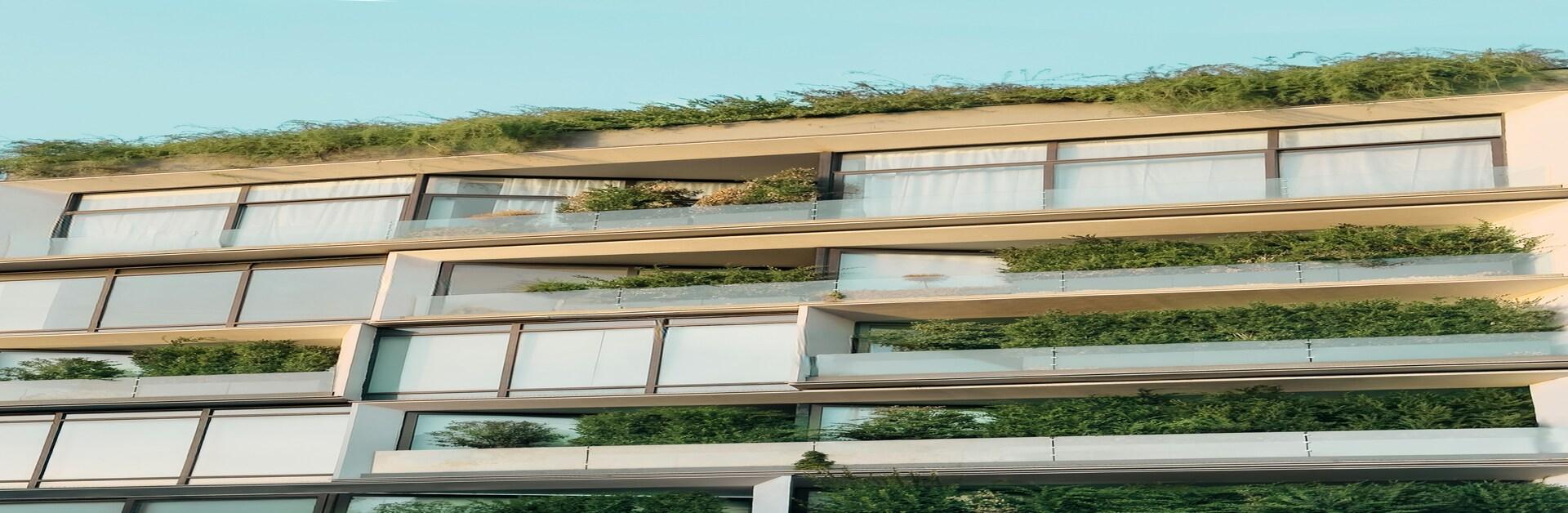
Access to green spaces significantly improves mental and physical well-being. Landscaped gardens, rooftop greens, and tree-lined pathways are integral to green residential projects that prioritise holistic living.
In dense cities, such spaces help regulate temperature, improve air quality, and create a sense of community. Incorporating greenery into sustainable living spaces bridges the gap between urban development and nature.
Health and Well-Being Benefits
Sustainable homes are designed with occupant health in mind. Natural lighting, improved air circulation, and non-toxic building materials reduce health risks and enhance indoor comfort.
These features make eco friendly homes in india particularly appealing to families and professionals seeking healthier lifestyles. Over time, such environments contribute to improved productivity, reduced stress, and better overall well-being.
Long-Term Value and Urban Resilience
Sustainability is not just about environmental impact—it also influences long-term value. Homes built with sustainability principles tend to have lower operating costs and stronger demand over time.
As regulations and buyer preferences evolve, sustainable housing in India is expected to play a central role in shaping resilient cities. Well-planned ecological homes offer adaptability to climate challenges and future urban needs.
Growing Awareness and Market Adoption
Homebuyers today are actively seeking environmentally responsible developments. Awareness around sustainability has encouraged developers to adopt global best practices and certifications.
Conclusion
As Indian cities continue to expand, sustainability must remain at the centre of urban housing development. By prioritising sustainable living spaces, homebuyers contribute to environmental conservation while benefiting from healthier, more efficient lifestyles. From green residential projects to thoughtfully designed ecological homes, sustainable housing represents a smarter and more responsible approach to urban living. Embracing eco-friendly homes in India today helps build resilient cities for future generations.