

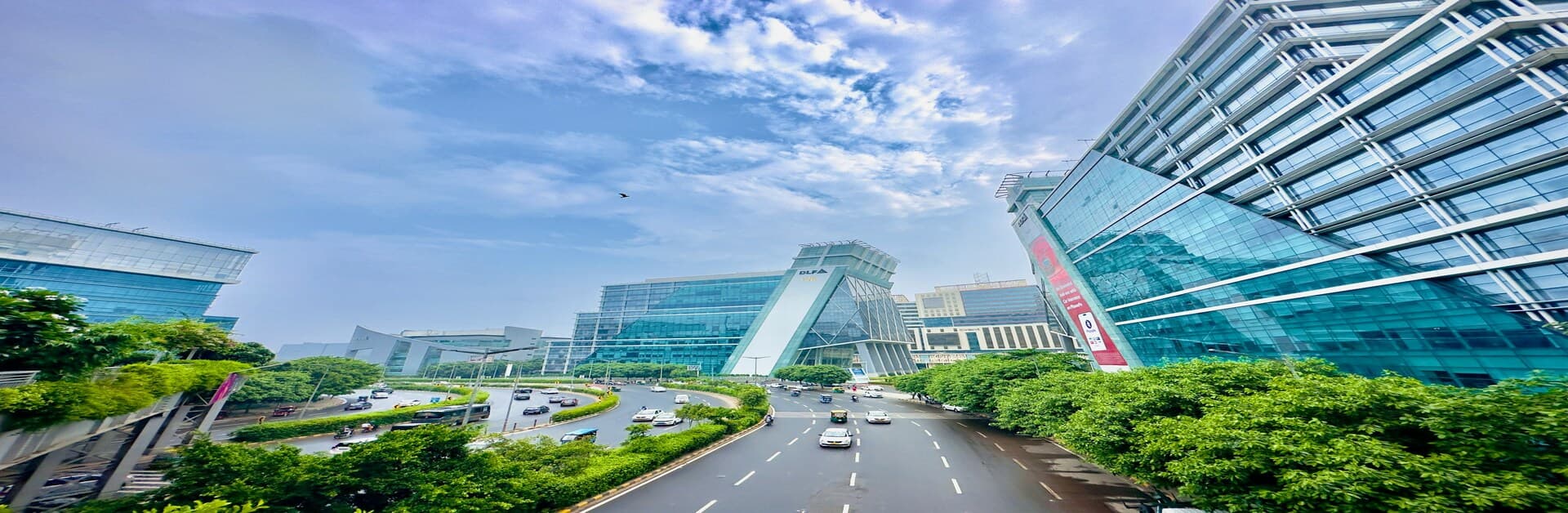
The Role of Infrastructure Projects (Metro, Expressways) on Property Prices
This blog explains how infrastructure projects like metro rail networks, expressways, and highways influence property prices in India. Improved connectivity increases demand for residential and commercial properties, especially in areas near metro stations and transit corridors.
Contents
- Why Infrastructure Drives Property Appreciation
- Metro Rail Networks and Real Estate Growth
- Impact of Expressways and Highway Corridors
- Rise of Transit-Oriented Development
- Commercial Growth Along Infrastructure Corridors
- Social Infrastructure and Urban Expansion
- Investment Opportunities in Emerging Corridors
- Challenges and Considerations
- Future of Infrastructure-Led Real Estate Growth
- Conclusion
Infrastructure has always played a crucial role in shaping urban growth and real estate demand. In recent years, large-scale infrastructure projects in india such as metro rail networks, expressways, airports, and industrial corridors have significantly influenced property prices across major cities. Improved connectivity and accessibility often transform previously underdeveloped areas into high-demand residential and commercial zones.
Real estate markets are closely linked to transportation and civic infrastructure because buyers increasingly prioritize convenience, shorter travel times, and better access to workplaces and lifestyle amenities. Experts highlight that expressways, metro corridors, and transit-oriented developments are reshaping urban housing demand across Indian cities.
Why Infrastructure Drives Property Appreciation
Infrastructure directly impacts the desirability of a location. Improved roads, transit systems, and public amenities enhance accessibility, reduce commute times, and encourage business activity. These changes often increase demand for nearby housing and commercial developments.
Many ongoing infrastructure projects in india are designed to improve urban mobility and reduce congestion in rapidly growing cities. When connectivity improves, residential and commercial demand typically rises, leading to gradual appreciation in property values.
Areas witnessing strong development of infrastructure in india often experience faster growth because improved connectivity attracts businesses, educational institutions, and retail developments.
Metro Rail Networks and Real Estate Growth
Metro rail systems have become one of the most influential infrastructure developments in urban India. Cities such as Delhi, Mumbai, Bengaluru, Hyderabad, Pune, Chennai, and Ahmedabad have significantly expanded metro connectivity over the past decade.
The demand for property near metro station locations has increased because buyers value faster and more convenient commuting options. Reduced travel time often improves quality of life and makes these neighbourhoods more attractive for residential investment.
Industry experts note that metro corridors consistently influence housing demand and pricing trends in major urban centres. This has strengthened the importance of metro real estate as a major growth segment within urban property markets.
Impact of Expressways and Highway Corridors
Expressways and highway networks are another important factor influencing property appreciation. New road corridors improve connectivity between city centres, suburbs, and industrial regions, encouraging urban expansion into emerging micro-markets.
Several large-scale infrastructure projects in india such as the Delhi-Mumbai Expressway, Bengaluru-Chennai Expressway, and regional ring roads are expected to create new growth corridors for real estate. Improved road infrastructure often leads to the development of integrated townships, logistics hubs, and commercial districts.
The rapid development of infrastructure in india through highway expansion has also reduced travel times between residential zones and business districts, increasing demand in previously overlooked locations.
Rise of Transit-Oriented Development
Transit-oriented development refers to urban planning focused around transport hubs such as metro stations and expressway intersections. These developments combine residential, retail, and office spaces within well-connected neighbourhoods.
The growing popularity of property near metro station developments highlights the shift toward integrated urban planning. Buyers increasingly seek homes within walking distance of metro corridors because these locations provide convenience and future appreciation potential.
This trend has strengthened the importance of metro real estate, particularly in cities where public transportation networks are expanding rapidly.
Commercial Growth Along Infrastructure Corridors
Infrastructure development not only influences residential markets but also drives commercial expansion. Improved connectivity encourages businesses to establish offices, retail centres, and industrial facilities in emerging urban corridors.
As major infrastructure projects in india continue to expand, demand for office spaces and mixed-use developments is also increasing. Commercial districts located near transit hubs often attract higher footfall and better occupancy rates.
The ongoing development of infrastructure in india is therefore creating opportunities for both residential and commercial property investors seeking long-term growth potential.
Social Infrastructure and Urban Expansion
Transportation projects often trigger broader urban development, including schools, hospitals, shopping centres, and entertainment zones. This integrated growth creates self-sustaining communities that attract long-term residents.
Locations with strong civic amenities and property near metro station connectivity tend to witness stable demand because they offer both convenience and lifestyle advantages.
Experts suggest that urban infrastructure growth is no longer limited to transportation alone. Instead, cities are increasingly focusing on creating balanced ecosystems that combine housing, employment, and social infrastructure.
Investment Opportunities in Emerging Corridors
Infrastructure-led development often creates opportunities for early-stage investors. Property prices in emerging corridors are usually lower before projects become operational. As connectivity improves and demand rises, these locations often experience significant appreciation.
Many investors now focus on metro real estate because transit-linked neighbourhoods generally attract sustained buyer interest. Similarly, regions connected by new highways and expressways are becoming preferred investment destinations.
The pace of development of infrastructure in india suggests that several emerging corridors across cities like Pune, Hyderabad, Bengaluru, and Ahmedabad may continue to see strong real estate growth in the coming years.
Challenges and Considerations
While infrastructure projects create growth opportunities, investors should also consider execution timelines and project completion risks. Delays in construction or policy changes may temporarily affect market sentiment.
When evaluating property near metro station investments, buyers should assess factors such as actual connectivity, surrounding social infrastructure, and long-term development plans.
It is also important to evaluate whether the surrounding metro real estate market has sustainable end-user demand rather than purely speculative investment activity.
Future of Infrastructure-Led Real Estate Growth
India’s urban expansion is expected to remain closely tied to transportation and infrastructure development. Upcoming metro rail projects, smart city initiatives, expressways, and industrial corridors will likely continue shaping property demand patterns.
Experts believe that future infrastructure projects in india will increasingly focus on integrated urban ecosystems that combine transportation, sustainability, and mixed-use development. This shift is expected to create more organised and connected urban communities.
As the development of infrastructure in india accelerates, locations with strong connectivity and planned urban growth are likely to remain among the most attractive real estate investment destinations.
Conclusion
Infrastructure plays a transformative role in shaping real estate demand and property prices across urban India. Metro rail systems, expressways, airports, and transit-oriented developments are improving connectivity and driving growth in emerging corridors. The expansion of infrastructure projects in india has created significant opportunities for residential and commercial real estate markets.
Demand for property near metro station developments and the growth of metro real estate highlight changing buyer preferences toward convenience and accessibility. As the development of infrastructure in india continues, infrastructure-led urban growth is expected to remain one of the strongest drivers of long-term property appreciation.