
Pune Metro Expansion Lifts Residential Demand in 2026
The rapid growth of metro infrastructure is reshaping Pune’s housing landscape in 2026. Improved accessibility, reduced travel time, and infrastructure upgrades are driving strong residential demand across emerging and established micro-markets.
Contents
Introduction
Pune has long been one of India’s fastest-growing urban centers, driven by its IT hubs, educational institutions, and thriving lifestyle ecosystem. In 2026, the city is witnessing a new wave of transformation, largely influenced by the ongoing Pune metro expansion. This infrastructure upgrade is not just changing how people commute, it is redefining where they choose to live.
A New Era of Connectivity
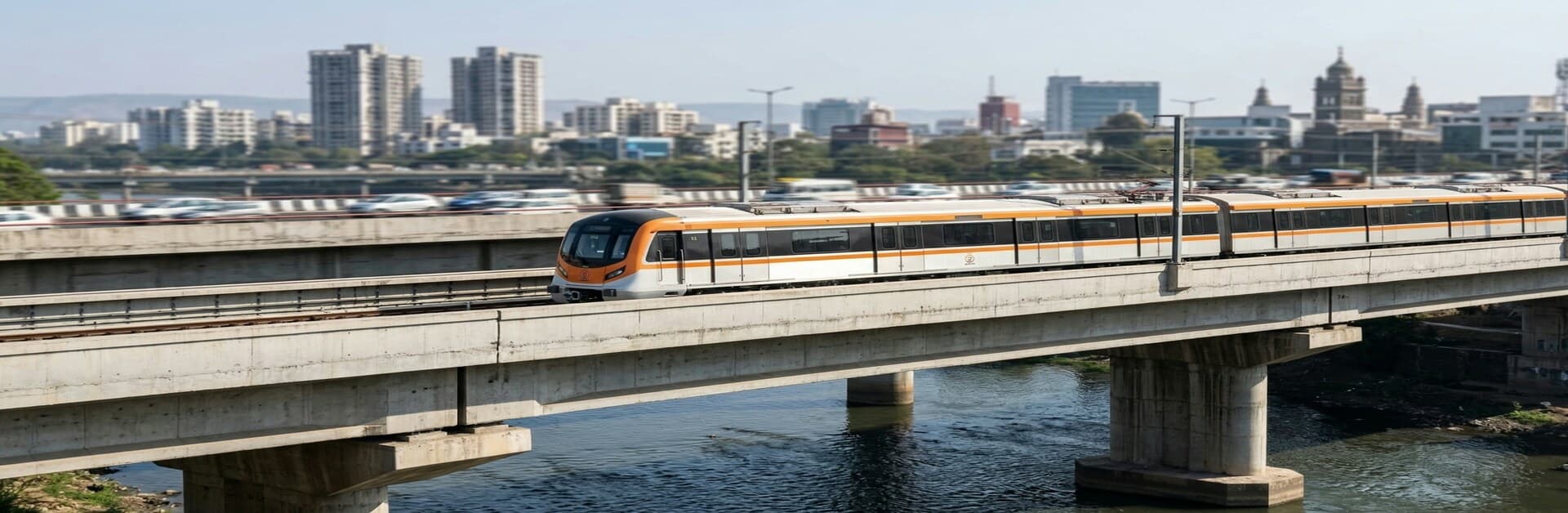
The introduction and extension of metro corridors across key areas have significantly improved accessibility within the city. Locations that were once considered distant or inconvenient are now well-connected, reducing daily commute times for thousands of residents.
This improved Pune metro connectivity is especially beneficial for professionals working in IT parks across Hinjewadi, Kharadi, and Baner. With seamless transit options, homebuyers are no longer restricted to living close to their workplaces. Instead, they can explore residential options in emerging micro-markets that offer better value and quality of life.
Rising Demand in Emerging Micro-Markets
Areas along metro corridors are experiencing a noticeable surge in housing demand. Suburbs such as Wakad, Pimpri-Chinchwad, and Talegaon are gaining traction among buyers looking for affordability combined with accessibility.
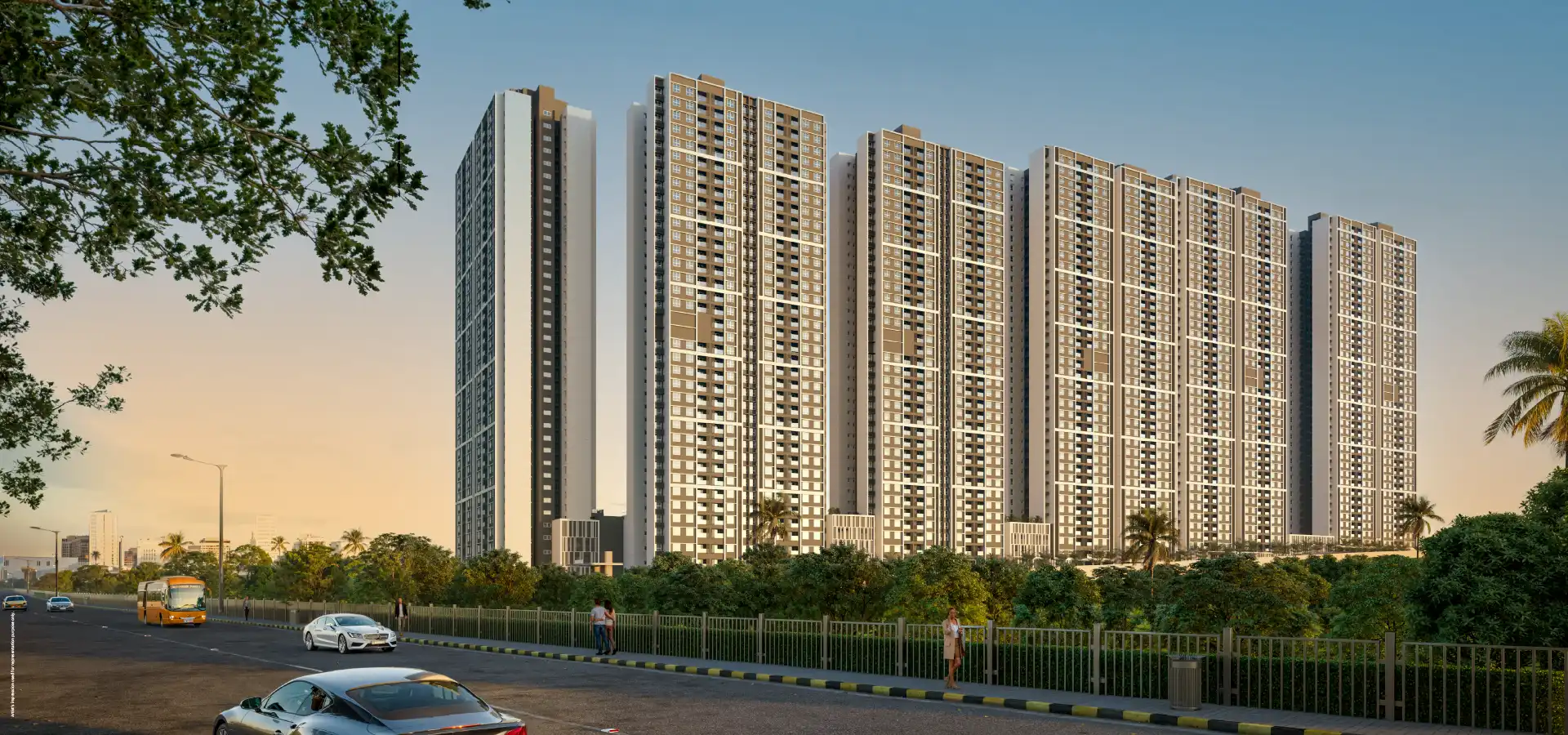
Developers are responding to this shift by launching new projects tailored to modern urban lifestyles. Whether it’s compact homes for young professionals or spacious residences for families, the availability of diverse housing options is strengthening the overall appeal of Pune real estate.
Impact on Property Values
Infrastructure development has always played a key role in determining property prices, and the metro is no exception. Properties located near metro stations are witnessing appreciation due to increased demand and convenience.
For investors, this presents a strategic opportunity. Buying a property in Pune along metro routes can offer strong long-term returns, especially as the network continues to expand and mature over the coming years.
Enhanced Lifestyle and Convenience
Beyond connectivity, metro expansion contributes to a better quality of life. Reduced travel time means more time for family, recreation, and personal growth. Additionally, areas around metro stations often see improvements in social infrastructure, including retail hubs, schools, and healthcare facilities.
This holistic development is attracting not just end-users but also investors who recognize the long-term potential of these locations.
Sustainable Urban Growth
One of the most significant advantages of metro development is its contribution to sustainable urban living. By reducing dependency on private vehicles, the metro helps lower traffic congestion and pollution levels.
This aligns with the growing preference among homebuyers for eco-friendly and sustainable living environments. Residential projects near metro lines are increasingly incorporating green features, making them even more appealing to environmentally conscious buyers.
The Role of Trusted Developers
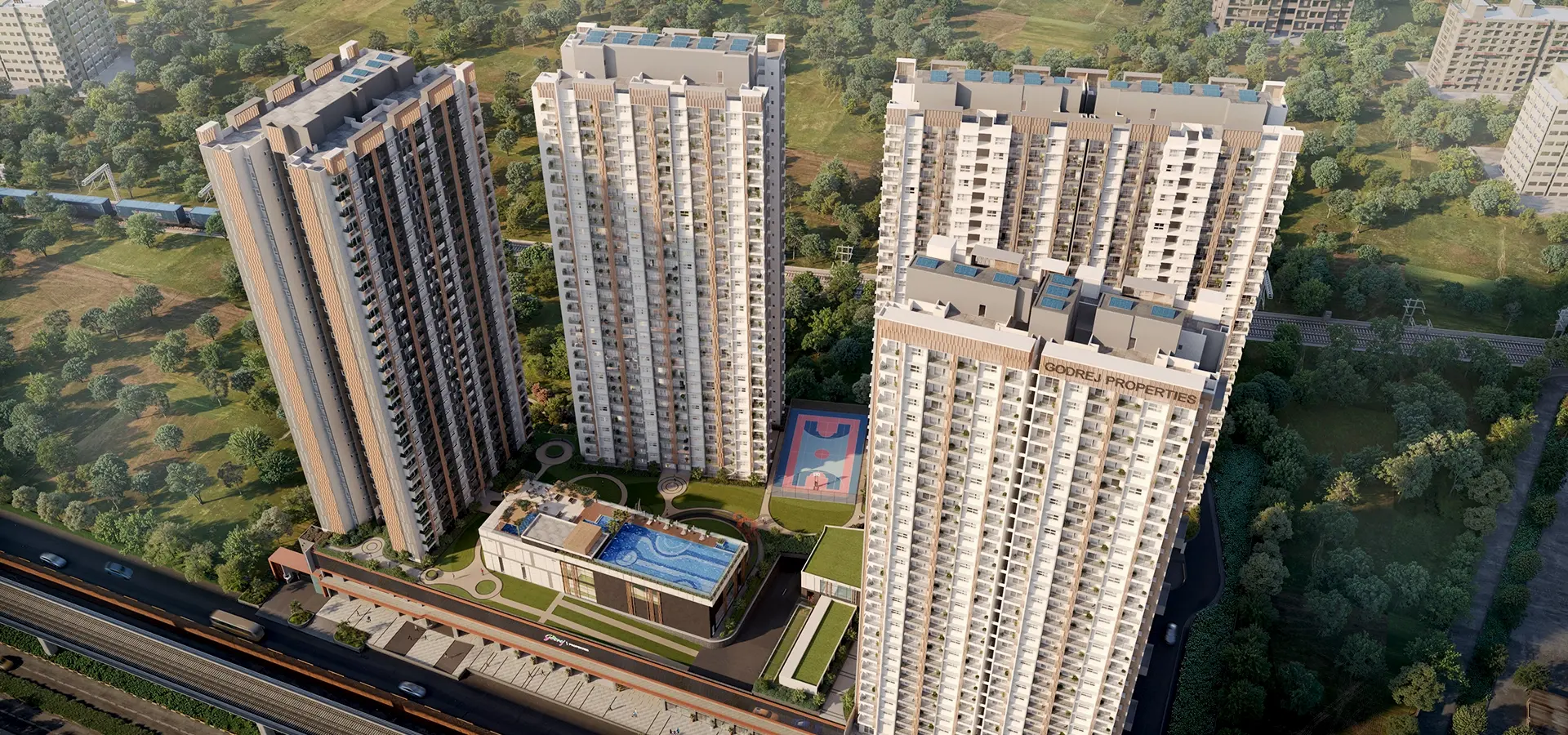
As demand rises, choosing the right developer becomes crucial. Properties from trusted developers, such as Godrej Properties are focusing on creating thoughtfully designed residential spaces in well-connected locations.
By aligning their projects with infrastructure growth, they ensure that buyers not only benefit from modern amenities but also from strategic location advantages.
What Lies Ahead
The future of Pune’s housing market looks promising, with metro expansion acting as a key growth catalyst. As more routes become operational, the ripple effect on residential demand is expected to continue.
For homebuyers, this is an ideal time to explore opportunities in metro-connected areas. For investors, it presents a chance to capitalize on early-stage growth and long-term appreciation.