

Eastern Peripheral Expressway: Key Features, Connecting Cities, and More
3.1K
Contents
The Eastern Peripheral Expressway (EPE) is a state-of-the-art highway encircling Delhi, designed to reduce traffic congestion and pollution in the capital. Stretching 135 km, it connects major cities while providing a seamless travel experience. Known for its modern features and efficient tolling, the expressway is a model of sustainable infrastructure. Let’s explore its key features, the cities it links, and information about the Eastern Peripheral Expressway toll rates.
Key Features of the Eastern Peripheral Expressway
The Eastern Peripheral Expressway boasts several innovative features. It is India’s first highway to be fully solar-powered, with solar panels installed along its length. The expressway includes intelligent traffic systems for real-time monitoring, ensuring safety and efficiency. It also incorporates rainwater harvesting pits every 500 metres and has extensive greenery on both sides, making it environmentally sustainable.
The expressway is six-laned, with dedicated lanes for slow-moving vehicles, ensuring smooth and fast travel. Emergency call boxes and vehicle breakdown lay-bys are placed at regular intervals, providing added convenience for travellers.
Cities Connected by the Eastern Peripheral Expressway
The EPE connects key cities around Delhi, including Sonipat, Ghaziabad, Faridabad, and Palwal. Starting near Kundli in Sonipat, the expressway bypasses Delhi, linking the Kundli-Manesar-Palwal (KMP) Expressway at Palwal. The strategic route allows travellers to avoid Delhi's heavy traffic, reducing travel time and fuel consumption significantly.
For instance, someone travelling from Panipat to Agra can now use the expressway to bypass Delhi entirely, saving hours of journey time. It also facilitates smooth access to key landmarks such as the Taj Mahal in Agra or the historic Red Fort in Delhi.
Eastern Peripheral Expressway Toll Rates
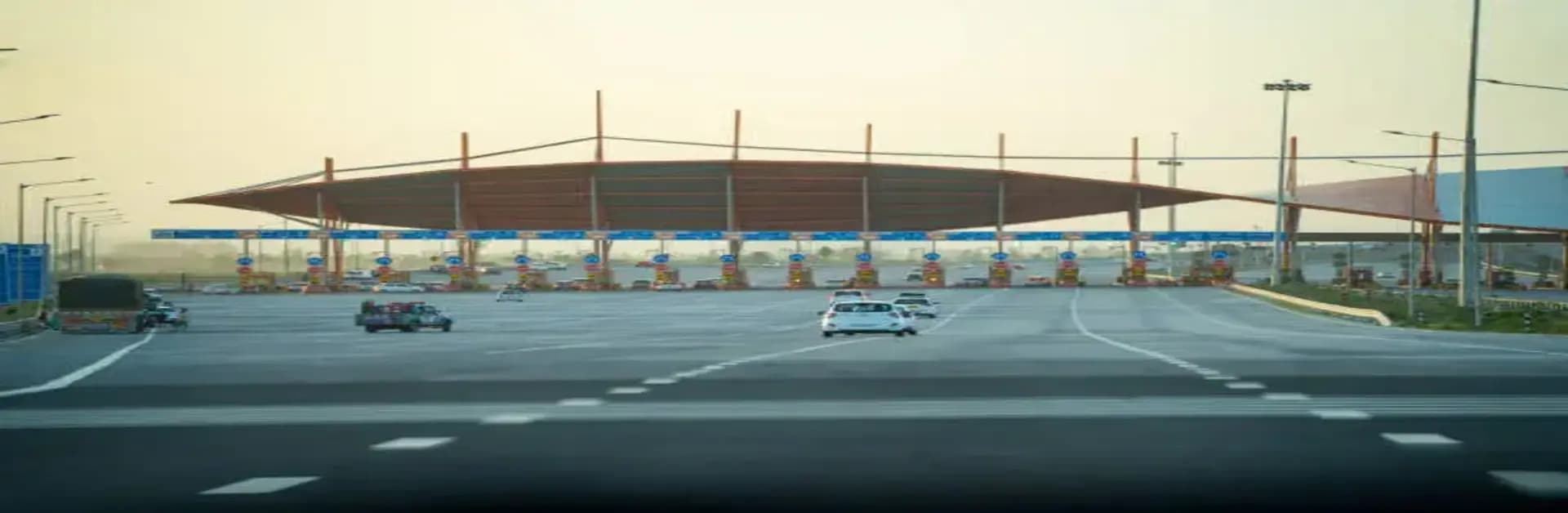
The Eastern Peripheral Expressway toll rates are calculated based on the vehicle type and the distance travelled. For light motor vehicles such as cars, the rate is ₹2.50 per kilometre. Heavy vehicles like trucks pay ₹7.50 per kilometre. The toll collection is fully automated, ensuring transparency and efficiency. Commuters can use FASTag for seamless payments, avoiding long queues at toll plazas.
The Final Word
The Eastern Peripheral Expressway is more than a highway; it is a solution to Delhi’s traffic and environmental challenges. By linking major cities, it reduces congestion and travel time, while its eco-friendly features make it a pioneer in sustainable road infrastructure. With efficient systems in place and reasonable Eastern Peripheral Expressway toll rates, it sets a benchmark for future expressways in India. Whether you’re a daily commuter or a long-distance traveller, the EPE offers unmatched convenience and efficiency.