

Delhi Metro Red Line—Routes, Fares, and Map Info 2025
Contents
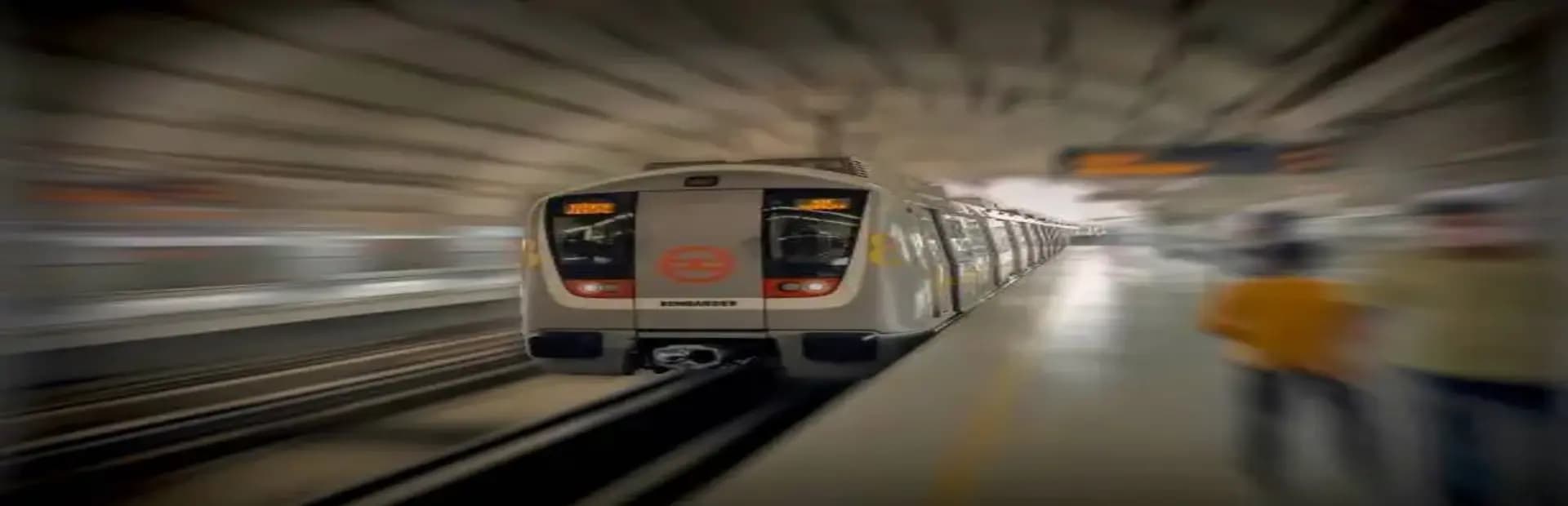
The Delhi Metro Red Line is the backbone of the city’s transportation network, connecting some of the most vital and historic areas. Spanning 34.55 kilometres, this entirely elevated line starts at Rithala in the northwest and extends to Shaheed Sthal (New Bus Adda) in the northeast. With 29 stations, it has become indispensable for commuters. Let’s explore the Delhi Metro Red Line route, fare structure, and key details.
Delhi Metro Red Line Route
The Delhi Metro Red Line route covers a mix of residential, commercial, and historical zones, making it a key corridor. Below is a detailed station list with interchange options:
| Station Name | Interchange/Connections |
| Shaheed Sthal (New Bus Adda) | Ghaziabad Junction Railway Station |
| Hindon | |
| Arthala | |
| Mohan Nagar | |
| Shyam Park | |
| Major Mohit Sharma | |
| Raj Bagh | |
| Shaheed Nagar | |
| Dilshad Garden | |
| Jhilmil | |
| Mansarovar Park | |
| Shahdara | |
| Welcome | Pink Line |
| Seelampur | |
| Shastri Park | |
| Kashmere Gate | Yellow Line, Violet Line, ISBT |
| Tis Hazari | |
| Pul Bangash | |
| Pratap Nagar | |
| Shastri Nagar | Sarai Rohilla Railway Station |
| Inderlok | Green Line |
| Kanhiya Nagar | |
| Keshav Puram | |
| Netaji Subhash Place | Pink Line |
| Kohat Enclave | |
| Pitam Pura | |
| Rohini East | |
| Rohini West | |
| Rithala |
Fares and Timings
The Delhi Metro Red Line fares are economical, making it a preferred mode of transport for daily commuters. Here’s the fare structure:
| Distance Travelled | Fare (in ₹) |
| Up to 2 km | 10 |
| 2 km to 5 km | 20 |
| 5 km to 12 km | 30 |
| 12 km to 21 km | 40 |
| 21 km to 32 km | 50 |
| Over 32 km | 60 |
Delhi Metro Red Line timings:
Operating Hours: 5:30 AM to 11:30 PM
Frequency:
- Peak Hours (8:00 AM - 11:00 AM and 5:00 PM - 8:00 PM): Every 4-5 minutes
- Non-Peak Hours: Every 5-10 minutes
Key Landmarks Along the Route
The Red Line Delhi Metro map connects commuters to some of the most iconic and bustling locations:
- Kashmere Gate: A historical area and major interchange hub.
- Shahdara: One of the oldest and busiest parts of the city.
- Netaji Subhash Place: A significant commercial centre.
Impact on Localities
The Delhi Metro Red Line has transformed neighbourhoods along its route, enhancing connectivity and increasing property values. For instance:
| Locality | Pre-Metro Scenario | Post-Metro Scenario | Property Rate (₹/sq.ft) |
| Shaheed Sthal | Limited development, poor connectivity | Boosted residential and commercial growth | 5,000-7,000 |
| Kashmere Gate | Historic but less accessible | Major interchange hub and tourist attraction | 15,000-20,000 |
| Rithala | Suburban with sparse infrastructure | Thriving residential and commercial locality | 7,000-9,000 |
The Final Word
The Delhi Metro Red Line is a lifeline for millions of residents, providing seamless connectivity across Delhi and Ghaziabad. With efficient operations, affordable fares, and links to crucial areas, it continues to be a symbol of Delhi’s urban evolution. For those relying on public transport, the Red Line Delhi Metro map is a gateway to convenience and accessibility.