

Delhi-Meerut Expressway: Everything You Need to Know
6.2K
Contents
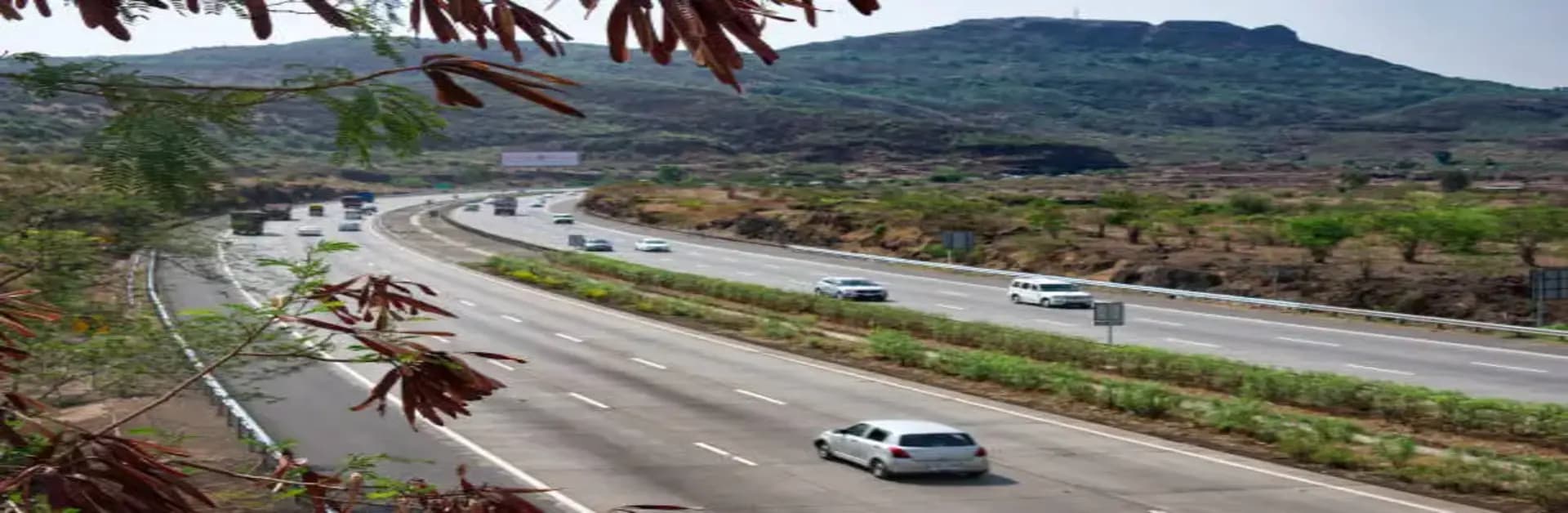
The Delhi Meerut Expressway is a groundbreaking road infrastructure project in India. Spanning 82 kilometres, this expressway connects the national capital Delhi with Meerut, a prominent city in Uttar Pradesh. Designed to ensure a smooth and faster commute, it has significantly reduced travel time from over two hours to just 45 minutes. With its modern features and seamless connectivity, it has transformed road travel between these two cities.
Route and Accessibility
The Delhi Meerut Expressway map highlights a well-planned route that begins at Sarai Kale Khan in Delhi and ends at Partapur in Meerut.
It consists of four key stretches:
- A 14-kilometre section from Sarai Kale Khan to UP Gate.
- An 8.7-kilometre elevated stretch from UP Gate to Dasna.
- A 22-kilometre section from Dasna to Hapur.
- A 31-kilometre greenfield expressway from Dasna to Meerut.
This expressway integrates with major roads such as NH-9 and NH-34, providing convenient access to areas like Ghaziabad and Hapur. It also passes close to landmarks like Akshardham Temple in Delhi and the Hindon River.
Key Features of the Expressway
The Delhi Meerut Expressway stands out due to its advanced features, which include:
- Six-lane expressway with dedicated cycle tracks on the periphery.
- Eco-friendly design: Solar panels and green belts along the road.
- Intelligent traffic systems: Cameras and sensors to monitor and manage traffic efficiently.
- Seamless toll system: Fast-tag enabled plazas to minimise delays.
This expressway not only ensures speed and safety but also enhances the commuting experience with well-maintained rest stops and amenities.
Economic and Social Impact
The expressway has significantly boosted the connectivity between Delhi and Meerut, catalysing economic growth in the region. Faster transit has helped industries in Meerut, such as sports goods and sugar production, to reach larger markets.
For daily commuters, the expressway offers a hassle-free journey, saving both time and fuel costs. Moreover, the road has decongested other routes, improving air quality in the region.
Challenges and Future Developments
Maintaining the Delhi Meerut Expressway requires consistent upgrades and effective management. Issues like toll fee disputes and encroachments have been addressed to maintain its efficiency. Future developments include adding more rest areas and refining connectivity to surrounding regions.
The Final Word
The Delhi Meerut Expressway has redefined travel between Delhi and Meerut, ensuring speed, safety, and convenience. With its smart design and strategic route, it stands as a symbol of India’s modern infrastructural advancements. Whether for business or leisure, this expressway guarantees a seamless journey every time.