

Introduction to Zero Energy Homes
3.1K
Contents
- What are Zero-Energy Homes?
- Why are Zero-Energy Homes Good?
- What Makes a Home Zero-Energy?
- Challenges
- How to Encourage More Zero-Energy Homes?
- Conclusion
- Frequently Asked Questions
- 1. Are zero-energy homes only suitable for new constructions, or can existing homes be retrofitted?
- 2. How can homeowners finance the upfront costs of implementing zero-energy features?
- 3. What are the benefits of living in a zero-energy home?<H3>
- 4. Is it expensive to build a zero-energy home in India?<H3>
- 5. How does a zero energy home work?<H3>
What are Zero-Energy Homes?
Zero-energy homes are houses that make as much energy as they use over a year. They do this by:
- Using less energy overall
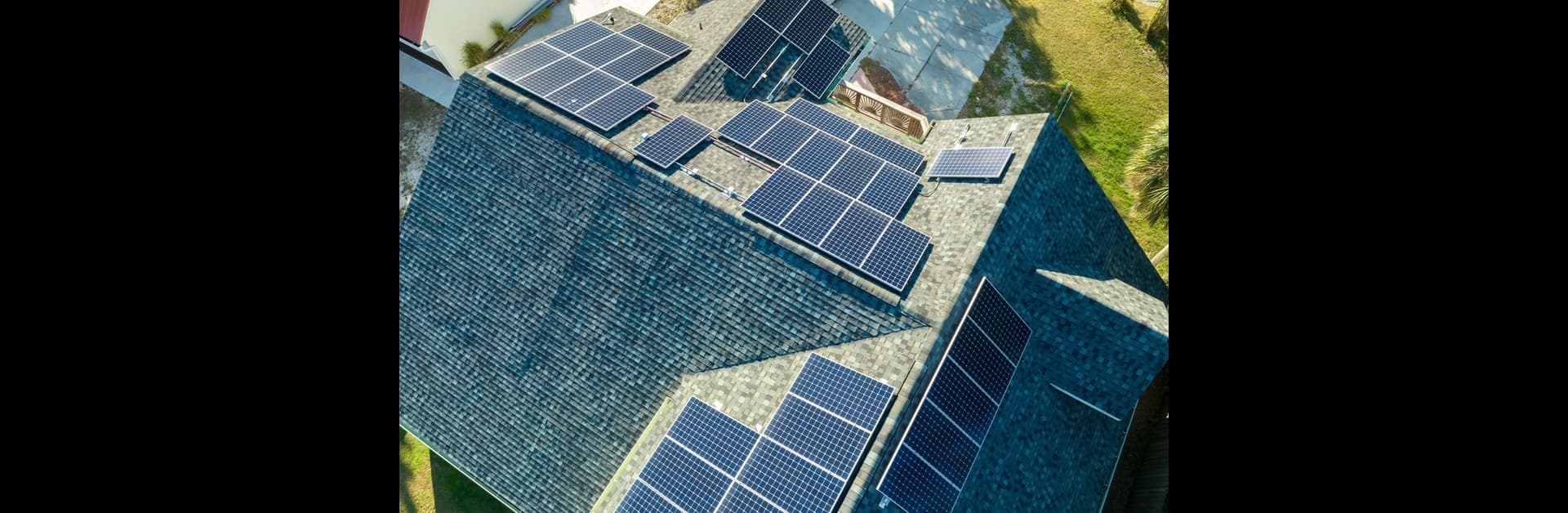
- Making their own energy, usually with solar panels
These homes are designed to be highly efficient and sustainable. They combine advanced building techniques with renewable energy sources to achieve a balance between energy consumption and production. Zero energy housing is becoming increasingly popular worldwide.
Why are Zero-Energy Homes Good?
- Save money: Lower energy bills
- Help the environment: Less pollution
- More independent: Can work even if the power goes out
Energy-efficient homes also increase property value and provide more comfortable living spaces. They reduce reliance on fossil fuels and help combat climate change by minimizing carbon emissions. Energy homes are particularly beneficial in countries like India.
What Makes a Home Zero-Energy?
- Good insulation: Keeps the house warm or cool
- Energy-saving appliances: Use less electricity
- Solar panels: Make electricity from sunlight
- Smart design: Uses natural light and heat
- Efficient heating and cooling: Keeps the house comfortable without wasting energy
Additionally, these homes often incorporate water-saving features, energy monitoring systems, and smart home technology. Zero energy buildings may also use materials that are sustainably sourced and have a lower environmental impact.
Challenges
The main problem is that zero energy homes can cost more to build. But they save money over time, and sometimes the government helps pay for them.
Other challenges include limited awareness among homebuyers, a shortage of skilled builders, and the need for careful planning to ensure optimal energy performance. Overcoming these hurdles requires education and collaboration, especially for energy efficient homes in India.
How to Encourage More Zero-Energy Homes?
The government can:
- Give money or tax breaks to people who build these homes
- Make rules that say new homes must save energy
Additionally, promoting education about zero-energy buildings in India, supporting research and development in sustainable building technologies, and showcasing successful projects can help increase adoption.
Conclusion
Zero-energy homes are good for saving money, helping the environment, and being more self-reliant. They use smart design and technology to make and save energy. While they might cost more at first, they're a good choice for a better future. These homes represent a significant step towards sustainable living. As technology advances and awareness grows, zero-energy building concepts are likely to become more common, contributing to a cleaner, more efficient built environment, particularly in developing countries like India.