

What is Plinth Area? Calculation, Definition, and Formula
Contents
What is Plinth Area?
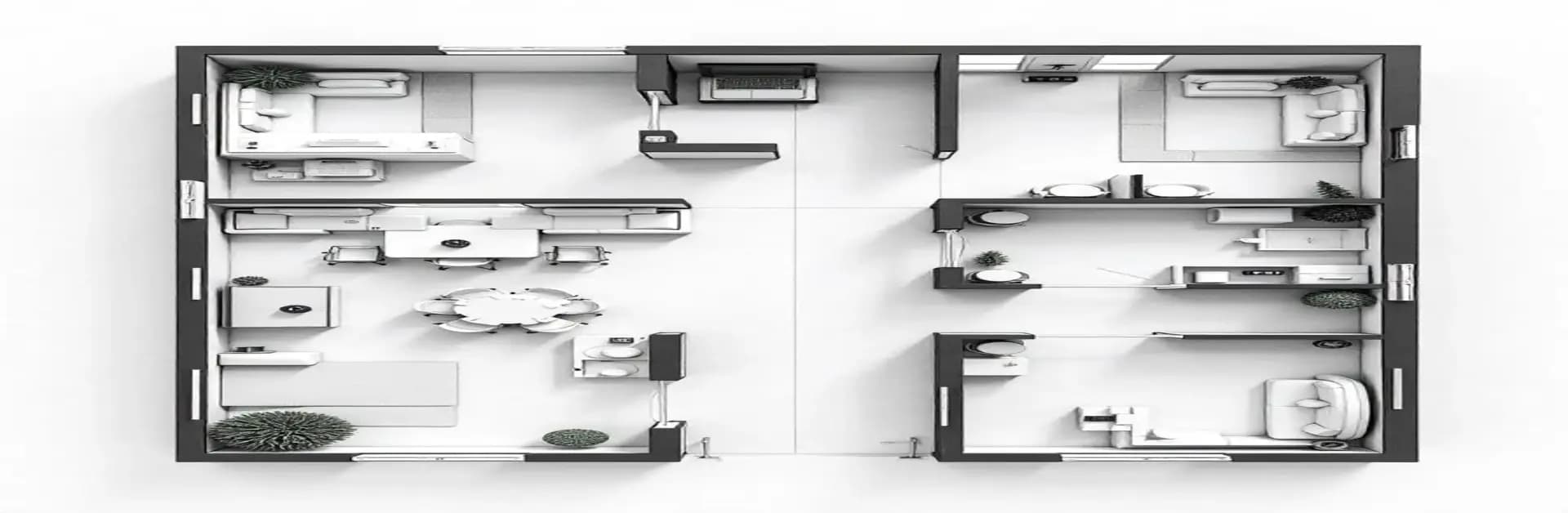
Plinth area refers to the total covered area of a building measured at the floor level of the outer edges of the structure. It includes all usable spaces within the walls but excludes open spaces like balconies, terraces, or verandahs. This measurement plays a critical role in understanding the overall size of a building, aiding in planning, construction, and legal documentation.
Plinth Area Meaning
The meaning of the plinth area originates from architecture and construction. It represents the built-up area covered by the structure on the ground floor and serves as the foundation's footprint. This metric is frequently used in real estate and civil engineering for purposes such as cost estimation, taxation, and ensuring compliance with regulations.
What is the Importance of Plinth Area?
Now that you know what the plinth area is, it is essential to understand its importance. The plinth area is important because of its multifaceted applications. For instance, it is crucial to estimate the construction costs of a building, as the plinth area reflects the base-covered area. Municipal authorities often use the plinth area to calculate property taxes. Additionally, it plays a vital role in real estate valuation by helping determine a property's worth. From a compliance perspective, the plinth area ensures adherence to local building norms and guidelines.
Plinth Area Estimate
When preparing an estimate of construction costs, the plinth area serves as a fundamental metric. This involves multiplying the plinth area by the cost per square meter, including materials, labour, and location considerations. For example, if the plinth area of a building is 100 square meters and the cost per square meter is INR 15,000, the total construction cost would be calculated as:
100 × INR 15,000 = INR 1,500,000
This calculation makes the plinth area an indispensable tool in budgeting for construction projects.
Calculate Plinth Area: Plinth Area Formula
The plinth area formula is straightforward:
Plinth Area = Total Built-Up Area on the Floor Level of Outer Walls
This includes the areas occupied by:
● Walls (both internal and external)
● Floor space of rooms
● Staircases, elevators, and internal partitions
However, it excludes:
● Open balconies
● Terraces
● Parking spaces
Understanding these inclusions and exclusions is essential for accurate calculations.
Steps to Calculate Plinth Area
To calculate the plinth area of a building, follow these steps while applying the plinth area formula:
1. Measure the Dimensions: Begin by measuring the length and breadth of the building’s outer walls.
2. Add Wall Thickness: Include the thickness of external and internal walls in your measurements.
3. Include Covered Spaces: Ensure to account for areas covered by staircases, passages, and storage rooms.
4. Exclude Open Spaces: Do not include open areas such as terraces, balconies, or gardens in your calculation.
5. Sum Up All Areas: Combine all the measurements to derive the total plinth area.
Factors Influencing Plinth Area
Several factors can affect the plinth area formula. For instance, the design and layout of a building can significantly influence the total area. Complex architectural designs may require careful consideration to include all covered spaces accurately. The construction materials used, particularly the thickness of walls, can also impact the measurements.
Local building regulations often dictate what should or should not be included in the plinth area. Finally, the intended purpose of the building, whether residential or commercial, may require adjustments in the calculation methodology.
Understanding what a plinth area is and calculating it in the correct manner is fundamental for any construction or real estate project. Its significance spans cost estimation, property valuation, and compliance with local regulations. By knowing how to measure and apply the plinth area, you can ensure clarity and efficiency in building projects.