

Water Conservation in Indian Homes: Strategies for a Sustainable Future
4.6K
Contents
Introduction to Water Conservation
India faces a great challenge in water resources due to its growing population and rising demands. As inhabitants of this planet, we should consider water conservation in our homes as a first priority in order to guarantee a sustainable existence. A few changes can bring about significant water savings and hence reduce the demand for these natural commodities through the practice of water conservation in India.
Install Water-Efficient Fixtures
One of the best water-efficient techniques is to put in low-flow fixtures. Change old-fashioned toilets with dual flush models or set up toilet flush converters, they are the ones which can save a great amount of water per flush and they are the ones which are the so-called dual-flush models. Get rid of the old shower heads and have new low-flows which completely allow water to come out and also save the Earth.
Harvest Rainwater
In Indian households, a great way to conserve water is rainwater harvesting which is particularly significant in the rainy season. In order to incorporate a rainwater harvesting scheme in your house, the excess water gets distributed from the roofs to a collection location, from which it is pumped into a storage tank.
Fix Leaks and Drips
Water is wasted when taps, pipes, and toilets leak. You should repair any leaks or drips at your home. You should always turn off leaking faucets, toilets, and irrigation systems at regular intervals and repair them when you notice the problem. A dripping tap produces a substantial loss of water.
Optimise Water Usage in the Kitchen and Laundry
The kitchen and laundry areas are major water-consuming areas in homes. Adopt water-saving practices by using the dishwasher and washing machine for only four full loads. When washing dishes by hand, use a basin or plug the sink to minimise water wastage. Consider installing aerators on kitchen taps to reduce water flow while maintaining sufficient pressure. Additionally, reuse kitchen wastewater for watering plants or cleaning purposes, following proper filtration and treatment guidelines.
Efficient Outdoor Watering
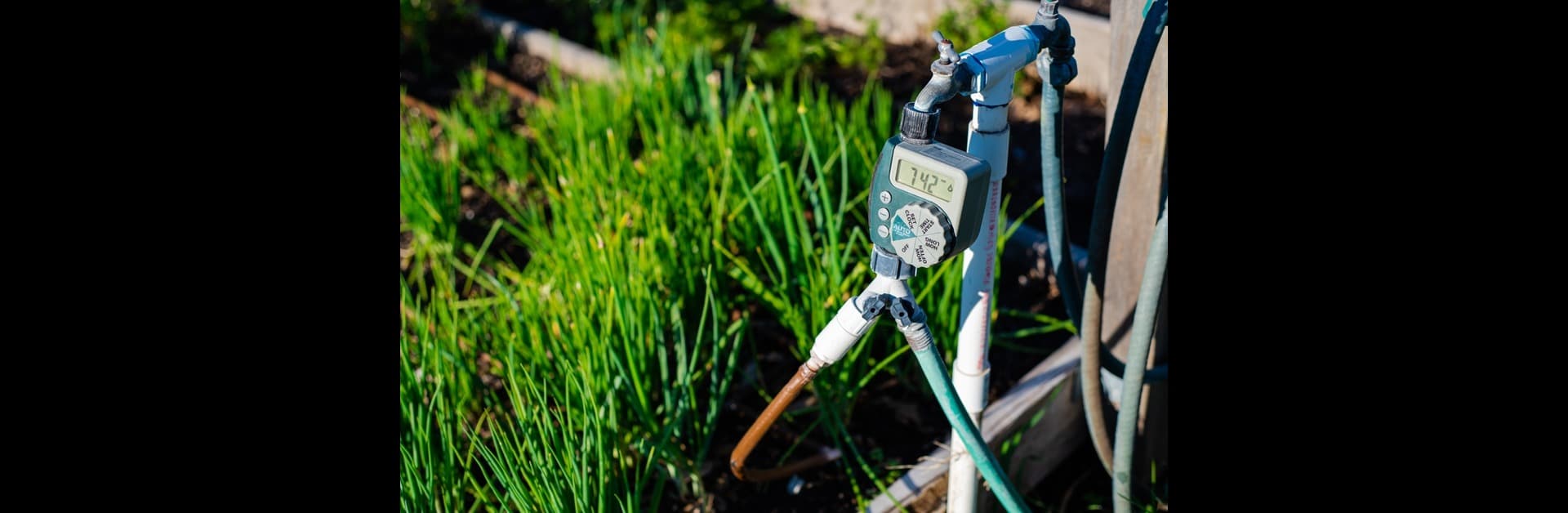
Outdoor water usage, particularly for gardening and lawn maintenance, can contribute to significant water wastage. Opt for efficient irrigation methods such as drip irrigation or soaker hoses that deliver water directly to plant roots, minimising evaporation and runoff. Water outdoor plants during early morning or late evening hours to reduce water loss due to evaporation.
Practical Strategies for Water Conservation at Home
Water conservation is important for environmental sustainability and overall cost reduction both in homes and the planet. Low water use throughout your home can be attained by practising water conservation strategies through easy and practical means.
- In the Kitchen: Conserve water in the kitchen by developing a system of mindful use during dish rinsing. Steam vegetables while cooking, instead of boiling, and then reuse that leftover water either on plants or when cleaning. Buy efficient appliances. ENERGY STAR-certified dishwashers use less water per load than washing by hand. Small changes in kitchen habits can have a big impact on water usage.
- In the Bathroom: Fundamentally, this is one of the spaces showing high volumes of water utilisation. Mounting low-flow showerheads and dual-flush toilets decreases consumption. Take faster showers; turn off while soaping up by using a timer to keep under 5 minutes. Turn off the faucet when brushing your teeth and shaving; save litres of water daily. Fix your leaks immediately. Look to reusing greywater for flushing toilets or watering non-food plants as permitted in your locality.
- In the Laundry: Large volumes of water get wasted in laundry practices. Always run a full load of laundry, since the volume of water that the washing machine uses doesn't vary with the size of the clothes. For smaller volumes, use a quick wash to save on water. High-efficiency washers also help in saving water compared to traditional ones. You can save more water by implementing laundry days and using high-efficiency appliances.
Conclusion
In summary, home water conservation in India is really important for the sustainable future of India. Simple practices such as installing water-efficient fixtures, rainwater harvesting, fixing leakages, or optimising water usage for kitchen appliances, laundry, and outdoor use could save gallons of unnecessary wastage. Such water conservation techniques not only save our valuable resources but also do some good toward environmental sustainability and savings.