

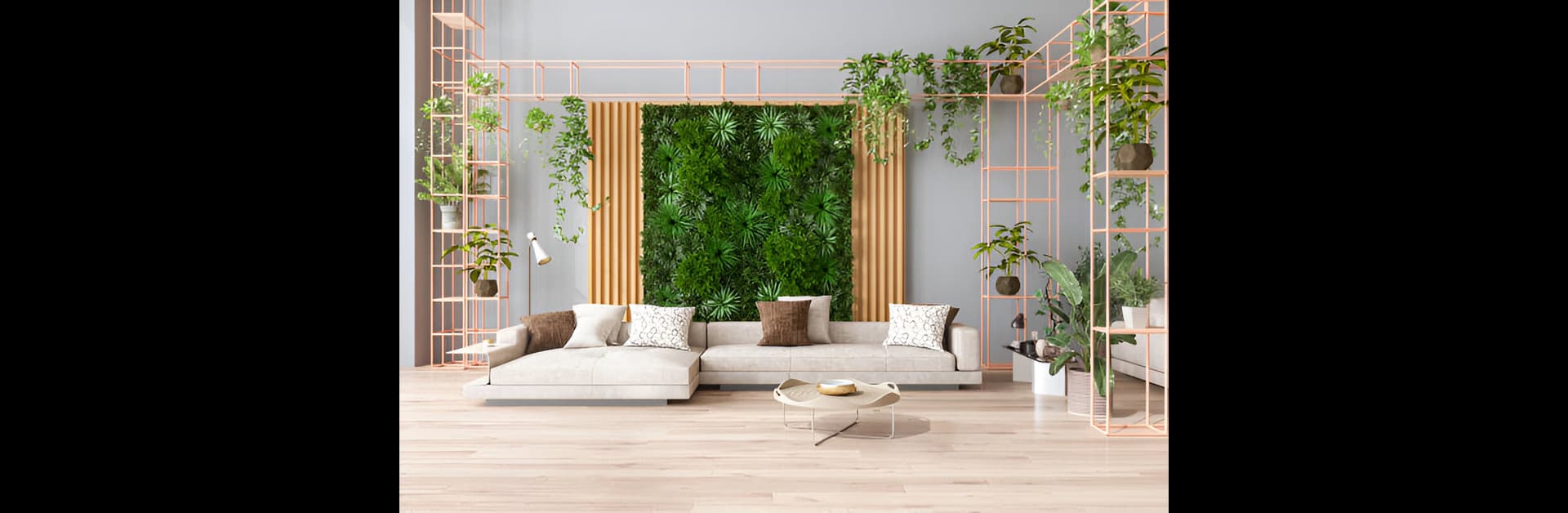
Vertical Gardening: Maximising Green Spaces in Urban Indian Homes
2.4K
Contents
Vertical gardening is a revolutionary approach to urban gardening that allows individuals to make the most of limited space in urban Indian homes. With the growing population and diminishing green spaces in cities, a vertical garden in India offers a creative solution to bring nature closer to our living spaces. By utilising vertical surfaces such as walls, balconies, and rooftops, homeowners can create beautiful and sustainable gardens, fostering a sense of tranquillity and well-being in urban environments. Let’s understand the advantages of vertical gardening in this post.
The Advantages of Vertical Gardening
Vertical gardening offers numerous advantages, making it an incredibly enticing option for urban dwellers in India. Let's delve into the benefits of vertical gardening:
Less Bending and Kneeling
Vertical gardening systems make plants easier to reach. You don't have to bend down or kneel as much, which is great if these movements are hard for you. Plants are higher up, so you can tend to them while standing or sitting comfortably. This makes gardening more fun and possible for more people. It's a way to enjoy plants and stay active without straining your body.
More Accessibility
Vertical gardens are perfect for small spaces and people with limited mobility. You can grow lots of plants in tiny areas like balconies or even indoors. This low-maintenance indoor vertical garden can be set up so that people using wheelchairs or walkers can easily care for their plants. This means more people can enjoy gardening, no matter where they live or how mobile they are.
Maximize Yield
Growing plants for a vertical garden lets you fit more plants in a small space. This means you can grow more food in the same area. Plants in a vertical indoor garden often get more sun and air, which helps them grow better. You can also train plants to grow in certain ways using supports, which can help them produce even more. It's a smart way to get a bigger harvest, especially if you don't have much garden space.
Food Safety
When you grow your food vertically, you know exactly what goes into it. You control what you use on your plants, so you can avoid harmful chemicals. This means safer, healthier food for you and your family. Growing at home also reduces the chance of your food getting contaminated. It's a great way to ensure your vegetables and herbs are as safe and healthy as possible.
No Soil Erosion
Vertical gardens help keep soil in place better than regular gardens. When plants grow up instead of out, the soil doesn't get washed or blown away as easily. There's also less walking on the soil, which keeps it from getting packed down. This means the soil stays healthier and keeps its nutrients. It also stops soil from washing into streams or rivers, which is good for the environment.
Less Water Usage
Vertical gardens are good at saving water. You can water the plants more precisely, giving water right to the roots instead of spraying it everywhere. These gardens also drain well, so plants don't sit in too much water. Many use special watering systems that are very efficient. This means you use less water, which is good for the environment and can save you money on water bills.
Reduction of Investment Cost
Using a subscription for vertical gardening equipment is cheaper and safer for businesses than buying everything outright. Instead of spending a lot of money at once, you pay a smaller amount each month. This is easier on your budget and less risky.
Space Optimisation
Vertical gardening becomes a game-changer in urban areas where ground space is limited. By utilising vertical surfaces effectively, homeowners can maximise their gardening potential, even in the smallest of spaces.
Improved Air Quality
Vertical gardens act as natural air purifiers, contributing to cleaner and healthier surroundings. They possess the remarkable ability to absorb harmful pollutants present in the air and release fresh oxygen, which is vital for our well-being. Vertical gardens combat this issue in densely populated urban areas.
Noise Reduction
The lush foliage of an indoor vertical garden not only pleases the eye but also acts as a natural sound barrier. It absorbs and dampens unwanted noise, creating a serene and peaceful atmosphere amidst the hustle and bustle of urban life. This natural acoustic insulation adds another layer of tranquillity to our living spaces.
Aesthetic Appeal
Vertical gardens are an absolute delight to behold. They possess a visual allure that can instantly transform dull and drab walls into vibrant, living tapestries of greenery. The striking display of plants and flowers adds a touch of beauty, charm, and elegance to urban spaces.
Food Production
A vertical garden for a home goes beyond its ornamental value; it can also serve as a source of fresh, organic produce. Urban homeowners can use vertical gardening to grow herbs, vegetables, and small fruit trees. This promotes self-sufficiency, reduces reliance on store-bought produce, and provides access to nutritious ingredients at home.
The final word
Vertical gardening has emerged as a game-changer for urban Indian homes, offering a way to incorporate greenery and nature into our daily lives. Maximising vertical spaces can create thriving gardens that beautify our surroundings and contribute to our well-being. Moreover, the benefits of vertical gardening, from space optimisation to improved air quality, make it an attractive choice for urban dwellers seeking a connection with nature in their concrete jungles.