

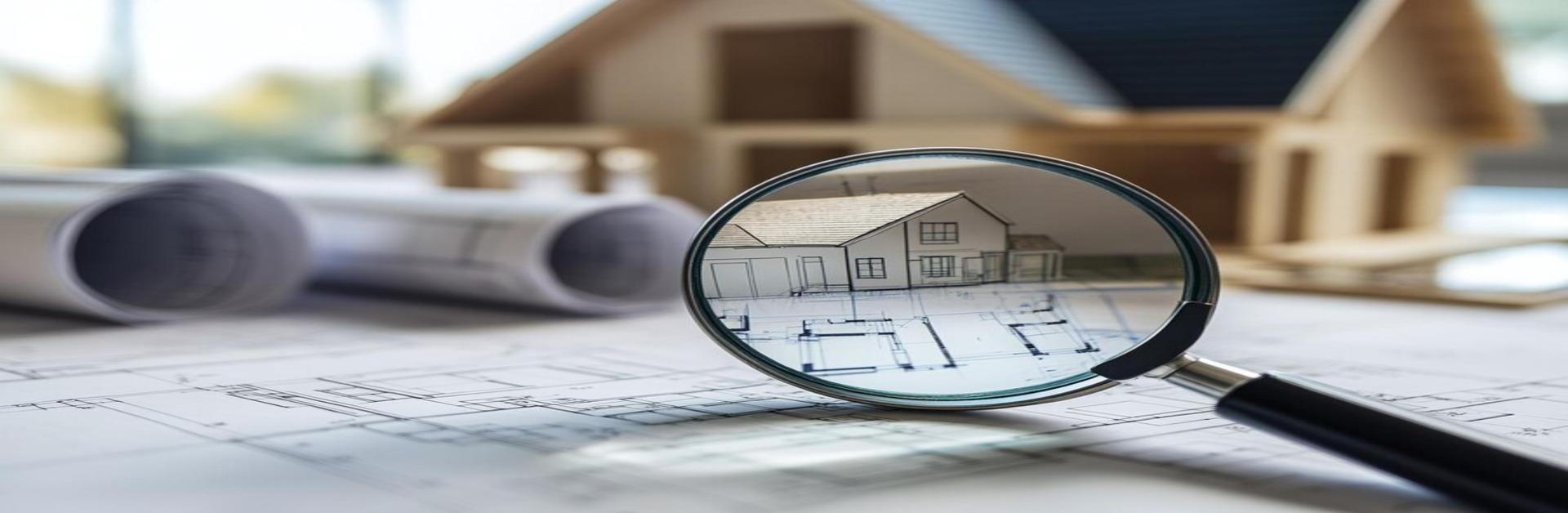
The Importance of Home Inspections: Insights for First-Time and Second-Time Buyers
5.2K
Contents
- Understanding Home Inspection & Its Importance
- What is a Home Inspection?
- The Benefits of Home Inspections
- Why Home Inspections Matter for First-Time Buyers
- The Importance of Home Inspections for Second-Time Buyers
- How to Choose a Home Inspector
- The Cost of a Home Inspection
- What Home Inspectors Look For?
- The Buyer's Role in the Inspection Process
- Post-Inspection Actions
- The Final Word
Understanding Home Inspection & Its Importance
When buying a home, it's crucial to understand its condition and potential issues thoroughly. It is where home inspections come into play. Home inspections provide first-time and second-time buyers with valuable insights into the property's condition, helping them make informed decisions. This article will explore the importance of home inspections and why they are essential in the home-buying process.
What is a Home Inspection?
A home inspection is a professional assessment of a property's condition conducted by a certified home inspector. During the inspection, the inspector thoroughly examines various aspects of the property, including details like structural integrity, plumbing, electrical systems, HVAC, and more. The goal is to identify any existing or potential issues that could impact the home's safety, functionality, or value.
The Benefits of Home Inspections
Home inspections offer several benefits to home buyers. Firstly, they provide an unbiased property evaluation, highlighting hidden or undisclosed problems. This knowledge lets buyers make informed decisions and negotiate repairs or adjustments with the seller. Secondly, home inspections help buyers understand the maintenance and repair needs of the property, enabling them to plan for future expenses.
Why Home Inspections Matter for First-Time Buyers
A home inspection is essential for first-time buyers. It gives a sense of security to the buyer thus it is vital for first time buyers. Here are the reasons:
- Detect Hidden Problems: Inspections bring out problems that can not be seen during viewing such as minor repairs or major defects which may save on future costs of repair.
- Improve Negotiation: Reports from inspections enable purchasers to bargain for repairs or reduce selling price so that they can get value for their money without necessarily having significant defects after ownership.
- Plan for Maintenance: They give information about what needs to be maintained in a premises therefore making it easy when planning for future repairs and even budgeting.
- Ensure Safety: Inspecting a house uncovers any dangers that may be present like faulty wiring and structural issues among others hence it safeguards the lives of your loved ones before buying.
Also read: Conducting A Thorough Home Inspection: Checklist For First-Time Homebuyers In India
The Importance of Home Inspections for Second-Time Buyers
Second-time house buyers need home inspections for better understanding of the condition and any potential problems in the property. This professional review will help them make informed decisions during negotiations with sellers. The assessment provides an unbiased opinion, revealing hidden defects and indicating maintenance requirements that guarantee sound investment. As the inspection takes place, they should be involved by reading through reports and seeking advice from their agents in order to know what choices can be made based on this information like asking for repairs or even changing some terms so as to ensure security for their valuable purchase.
How to Choose a Home Inspector
Here are the main things you should consider to choose the right home inspectors for a more detailed inspection:
- Credentials and Experience: Verify qualifications from reputable organizations. Prioritize experienced inspectors familiar with common home issues for a comprehensive report.
- Inquire About Process: Understand the inspection duration, areas covered, and equipment used. Align their process with your expectations for a thorough assessment.
- Seek References: Request references from the home inspection home inspector to gauge reliability and professionalism from past clients, ensuring confidence in your choice.
The Cost of a Home Inspection
Wondering about the home inspection cost? Here's what factors influence pricing:
- Factors Affecting Inspection Costs: Inspection costs vary based on factors like dwelling type, location, and additional services like septic or radon testing.
- Determinants of Inspection Fees: Home size, age, and optional services impact inspection fees. However, the benefits of a thorough inspection outweigh the upfront cost.
What Home Inspectors Look For?
During a home inspection, the inspector assesses various areas of the property. They examine the roof, foundation, walls, windows, and doors for signs of damage or deterioration. They also inspect the electrical and plumbing systems for functionality and safety. Additionally, the inspector evaluates the HVAC system, insulation, ventilation, and other components that contribute to the overall liveability of the home.
The Buyer's Role in the Inspection Process
As a buyer, active participation in the inspection is crucial. Accompany the inspector, ask questions, and take note of any concerns. Discuss findings with your agent and consider seeking additional professional opinions for specific areas of concern.
Post-Inspection Actions
After the inspection, review the report and consult your agent. Identify significant issues for repairs or negotiations with the seller. Request repairs, credits, renegotiate the price, or consider withdrawing from the deal for substantial problems.
The Final Word
Home inspections are a crucial step in home-buying for first-time and second-time buyers. They provide valuable insights into the property's condition, enabling buyers to make informed decisions and negotiate repairs or adjustments with the seller. By actively participating in the inspection process and considering the inspector's findings, buyers can ensure that they make a well-informed investment and a sound purchase decision.