

Moving Furniture and Appliances: Checklist for Safe and Secure Transportation
8.1K
Contents
Introduction
Shifting home can be a tedious task when you have to transport furniture and appliances. It requires careful planning and execution so there are no damaged goods when moving from one place to another. Creating a checklist before moving furniture about the things that you need is a good starting point. It also ensures smooth and secure shifting. Make sure that the items are packed properly. Ideally, flat packaging is best to minimise any kind of damage. Also, it is crucial to measure doorways, furniture size, and carton size. The items that can be disassembled must be done beforehand to eliminate last minute chaos. Furthermore, choosing a professional moving service for furniture and appliance transportation to a new home is recommended.
Shifting Guide
Pre-Move Preparation
1. Measure and plan: Before moving day, measure the dimensions of both your new home and the furniture/appliances you plan to transport. This will help you determine if certain items will fit through doorways, staircases, or elevators. Create a floor plan for furniture placement in the new space.
2. Disassemble when necessary: If possible, disassemble large furniture pieces such as beds, tables, and bookshelves. Keep track of screws, bolts, and other small parts by placing them in labelled bags or containers. Take photographs or make notes to help reassemble items correctly.
3. Gather packing supplies: Acquire sturdy moving boxes, packing tape, bubble wrap, furniture blankets, and plastic wrap. These materials will protect your furniture and appliances during transportation.
Packing Strategy
1. Choosing Appropriate Packing Materials
When choosing packing material, you should have safe and secure shifting in mind. A variety of packaging materials such as bubble wrap, moving blankets, furniture pads, plastic wraps, and packing paper are available.
2. Techniques for Wrapping and Padding
Make sure to invest in good quality packing material so that the heavy items are properly secured. Wrapping material protects the furniture and appliances from dust and big cartons keep them in place. Use blanket and bubble wrap for protecting the furniture, foams for protecting the corner, and wooden crates for outer packaging. Tape everything for extra protection for safe transportation of furniture.
3. Labeling Boxes and Components
Label each item on the flat packaging for clarity when unpacking the items at the new place. Keep different components of the same furniture such as disassembled furniture parts, nails, and other components at one place. It gives you ease when assembling them again in new home.
Special Consideration
1. Handling Large and Bulky Items
Disassemble large and bulky items for easy handling. Using moving blankets and bubble wrap is a good idea for protection. Make sure to secure it with tape. Follow proper lifting technique to ensure the item as well as flooring is not damaged. Also,clear the pathways before transportation of furniture and appliances.
2. Dealing with Appliances (refrigerators, washing machines, etc.)
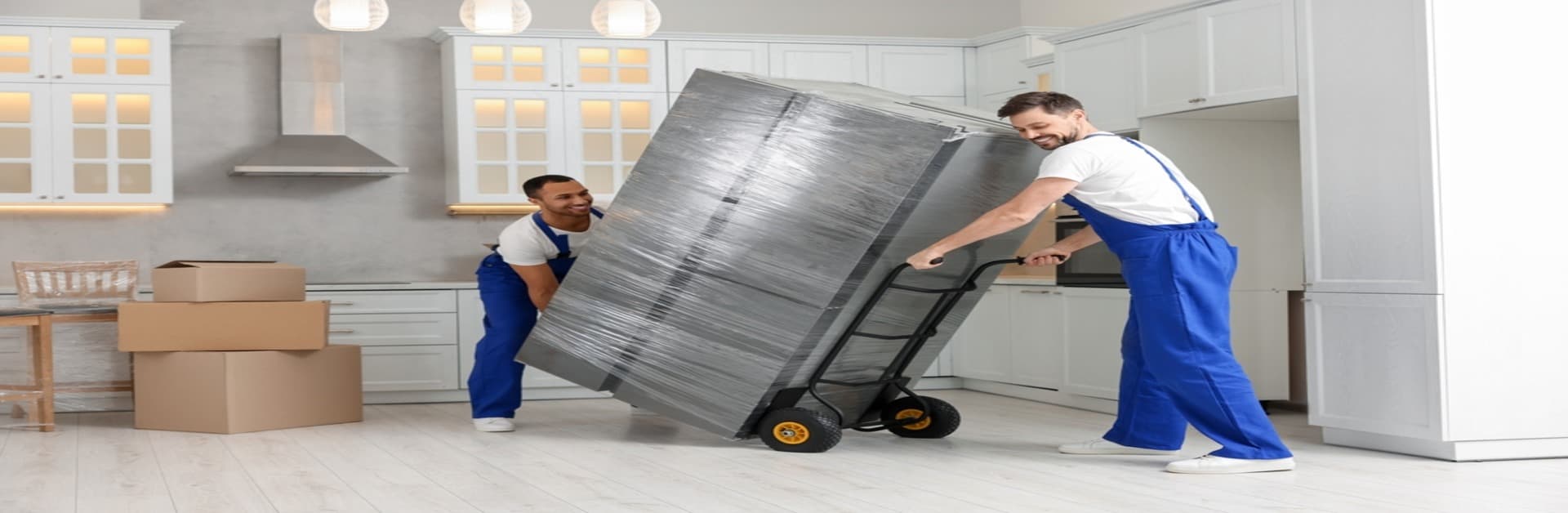
When moving appliances, disconnect and empty them. Start with Wrap them in moving blankets and tape the doors shut. Also, keep them upright to avoid damage when shifting home. It is also important to protect electrical cords by securing them with tape. Ensure they are well-padded to prevent scratches and dents during the move.
3. Protecting Floors and Walls During the Move
The best way to protect the floors and walls during the move is to use furniture sliders or cardboard under heavy items to prevent floor scratches. Also, place corner guards and wall protectors to ensure the furniture or appliances do not leave a permanent mark on the wall.
Furniture Transportation
1 Wrap and protect: Cover furniture with furniture blankets or bubble wrap to prevent scratches, dents, or damage during transit. Secure the coverings with packing tape or plastic wrap.
2 Secure drawers and doors: Use plastic wrap or furniture straps to secure drawers and doors. This prevents them from opening and potentially causing damage while moving.
3 Label and document: Label each piece of furniture with its destination room in the new home. This will help movers or yourself during unpacking. Additionally, take photographs of any existing damages for insurance purposes.
4 Use proper lifting techniques: When moving heavy furniture, practice proper lifting techniques or consider hiring professional movers. Bend your knees, keep your back straight, and use teamwork when lifting heavy items to avoid injuries.
Appliance Transportation
1 Clean and prepare: Thoroughly clean appliances before moving. Empty and defrost refrigerators and freezers, and disconnect and secure any movable parts. Refer to the appliance manuals for specific instructions.
2 Secure cords and hoses: Bundle and secure power cords and hoses with zip ties or rubber bands. This prevents them from tangling or getting damaged during transportation.
3 Protect delicate components: For appliances with delicate components (e.g., glass doors, screens), use bubble wrap or packing blankets to provide extra protection. Avoid using tape directly on surfaces that may be damaged by the adhesive.
4 Secure doors and fasteners: Tape or secure appliance doors, lids, and fasteners to prevent them from opening accidentally. This also helps protect the appliance's internal components during transit.
Conclusion
When shifting home, keeping the aforementioned tips helps in safe and secure shifting. Proper preparation, packaging, handling, and communication with movers or helpers will help minimise the risk of damage and make the transition to your new home a smooth one.