

Mixed-Use Developments: Integrating Residential, Commercial, and Retail Spaces
5.5K
Contents
Mixed-Use Developments
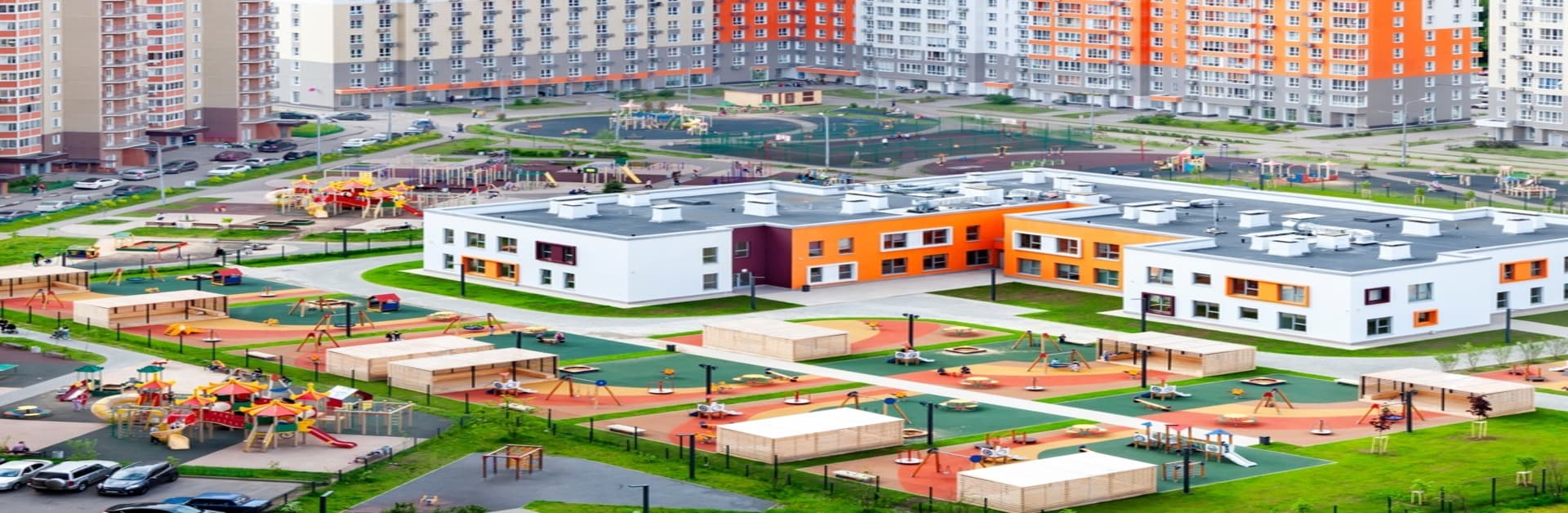
Mixed-use developments refer to real estate projects that combine multiple functions within a single development or neighbourhood. These can include residential, commercial, cultural, institutional, or industrial uses. The goal is to create a more integrated and efficient land use pattern that supports diverse activities and vibrant communities. These mixed developments often feature a mix of housing, offices, retail stores, and public spaces, all within walking distance.
Benefits of Mixed-Use Development
1. Economic Growth: Stimulates local economies by creating jobs and attracting businesses.
2. Convenience: Offers a variety of amenities and services within close proximity, reducing the need for long commutes.
3. Community Engagement: Providing shared spaces promotes social interaction and a sense of community.
4. Sustainability: Reduces reliance on cars, lowering carbon emissions and encouraging walkability and public transport.
5. Efficient Land Use: Maximizes the use of land by integrating multiple functions into a single area, often leading to more compact and efficient urban forms.
6. Increased Property Value: This can lead to higher property values due to the desirability of living in a vibrant, multifunctional area.
7. Improved Quality of Life: Access to diverse amenities and services enhances the overall living experience.
Key Components of Mixed-Use Development
1. Residential Developments: Apartments, condominiums, or townhouses designed to accommodate a variety of household types and income levels.
2. Commercial Developments: Office buildings and business centres that support a range of professional activities and enterprises.
3. Retail Spaces: Shops, restaurants, and entertainment venues catering to residents' and visitors' needs and preferences.
4. Public Spaces: Parks, plazas, and recreational areas that provide opportunities for relaxation and community activities.
5. Transportation Access: Integrating public transport systems and pedestrian-friendly infrastructure enhances connectivity.
6. Cultural and Institutional Facilities: Museums, libraries, schools, and other facilities that enrich the cultural and educational landscape.
Residential Spaces in Mixed-Use Developments
Residential spaces in mixed-use developments offer a variety of housing options, including apartments, condos, and townhomes. These residences are often designed to accommodate different household sizes and income levels, providing affordable and luxury home options. The integration of residential spaces with commercial and retail amenities ensures that residents have convenient access to services and entertainment, enhancing their quality of life.
Commercial Spaces in Mixed-Use Developments
Mixed commercial real estate developments include offices and business centres that cater to various professional needs. These spaces are designed to attract businesses and entrepreneurs, contributing to the local economy and providing job opportunities. The proximity to residential areas means employees can live nearby, reducing commute times and promoting a work-life balance.
Retail Spaces in Mixed-Use Developments
Mixed retail developments consist of shops, restaurants, cafes, and entertainment venues. These retail areas provide essential goods and services to residents and visitors, creating a lively and engaging environment. The presence of diverse retail options can make mixed-use developments a destination for shopping and dining, drawing people from surrounding areas.
Design Principles for Mixed-Use Development
1. Integration: Seamlessly combine different functions to create a cohesive and functional environment.
2. Connectivity: Ensure easy access between residential, commercial, and retail areas with pedestrian pathways, bike lanes, and public transport.
3. Flexibility: Design spaces that can adapt to changing needs and uses over time.
4. Sustainability: Incorporate green building practices and energy-efficient designs to reduce environmental impact.
5. Public Spaces: Create attractive and accessible public areas that encourage social interaction and community engagement.
6. Density: Optimize land use by increasing density while maintaining a comfortable living environment.
7. Aesthetic Appeal: Focus on high-quality architecture and urban design that enhances the development's overall look and feel.