

Greenfield Expressways: India’s Fast Lane to Connectivity
Contents
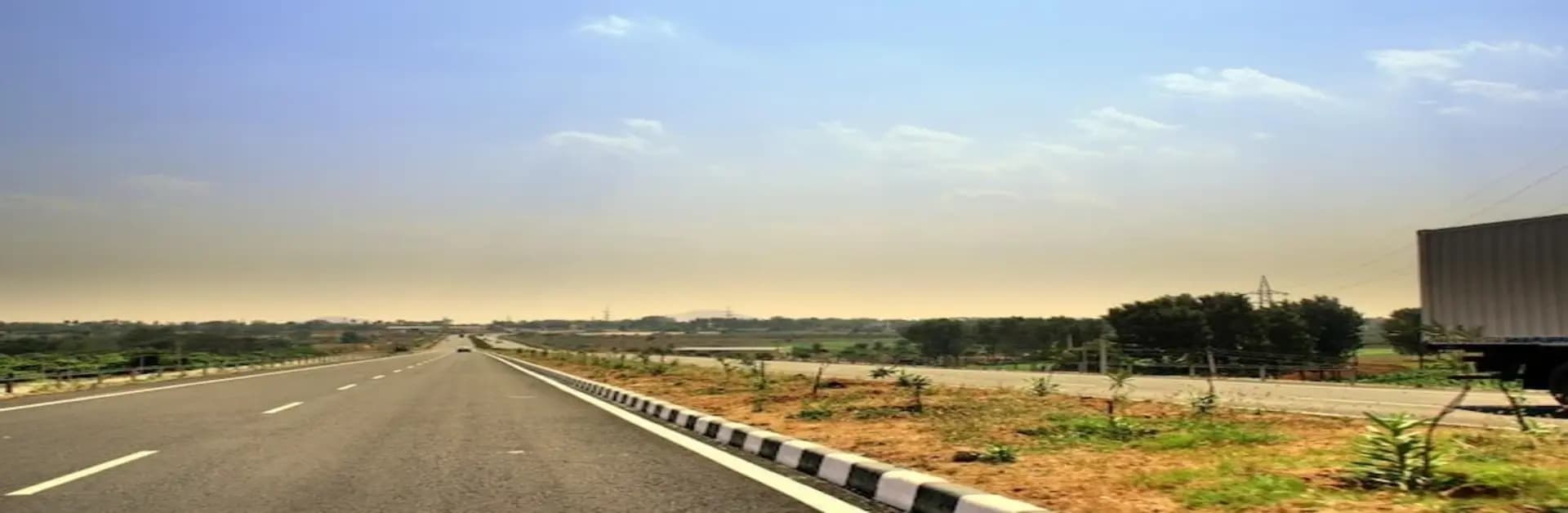
A Greenfield Expressway is a high-speed corridor built entirely from scratch, typically over unused or agricultural land, without modifying existing roadways. These expressways are designed for fast, long-distance travel with minimal interruptions, using access-controlled entry points and advanced construction techniques. As part of India’s evolving infrastructure landscape, Greenfield infrastructure development plays a pivotal role in boosting nationwide connectivity. Unlike brownfield upgrades, Greenfield projects allow for strategic planning from the ground up, reducing bottlenecks, avoiding urban congestion, and promoting regional balance.
Top Greenfield Expressways Projects in India
India is witnessing a boom in Greenfield highway projects, aimed at transforming how goods and people move across the country. Here are some of the most significant projects reshaping the nation’s road network:
Delhi - Mumbai Expressway
Spanning over 1,350 km, this is India's longest Greenfield Expressway, connecting Delhi with Mumbai. Once completed, it is expected to cut travel time between the two metros from 24 hours to just 12. It will also boost industrial hubs along the route, including new logistics parks.
Read More: Everything You Need to Know About the Delhi Mumbai Expressway
Amritsar - Kolkata Expressway
Stretching across northern and eastern India, this expressway will link Punjab with West Bengal. Spanning over 1,300 km, it aims to boost regional trade, enhance cargo movement, and strengthen ties between agricultural and industrial belts.
Bengaluru - Chennai Expressway
Covering approximately 260 km, this expressway will offer a high-speed link between two major southern cities. Designed as a Greenfield route, it will bypass traffic-heavy areas and slash travel times significantly.
Travel Time & Connectivity Benefits
One of the most immediate advantages of Greenfield highway projects in India is the drastic reduction in travel time. By offering direct, signal-free, access-controlled routes, these expressways cut down hours of road time. For instance, what once took 6 hours may now take only 3. This boosts intercity mobility, saves fuel, and enhances convenience for both personal and commercial transport.
Impact of Greenfield Infrastructure Development on Economy and Real Estate
The benefits of Greenfield Expressways go far beyond quicker travel, they're powerful drivers of regional development. Here’s how these projects are reshaping India's economic and real estate landscape:
- Unlocking New Investment Regions: By opening up previously inaccessible areas, Greenfield Expressways are encouraging businesses to explore new locations for setting up operations. This includes emerging industrial hubs, logistics parks, and service centres along the expressway routes.
- Growth in Logistics, Warehousing, and Manufacturing: Improved connectivity allows for faster and more reliable freight movement. This has led to a noticeable rise in logistics hubs and warehousing zones, particularly near key junctions and industrial belts.
- Cost Efficiency for Businesses: Shorter routes and reduced travel time help businesses lower fuel and operational costs. This translates into quicker deliveries, better supply chain efficiency, and increased competitiveness for transport-heavy industries.
- Real Estate Appreciation in Tier-2 and Rural Zones: Areas that once lacked infrastructure are now experiencing a rise in land value. Demand for residential and commercial spaces is growing, especially around new junctions, service roads, and nearby towns.
- Township and Infrastructure Development: Developers are seizing the opportunity to build integrated townships, residential colonies, and retail projects, meeting the lifestyle needs of a growing population in newly connected regions.
- Strategic Government Planning with SEZs and Industrial Corridors: Special Economic Zones (SEZs), smart cities, and industrial clusters are being purposefully placed along these expressways, ensuring planned and sustainable urban expansion.
India’s Greenfield Expressways are more than roads; they’re economic lifelines. By shortening travel times, opening up new regions, and driving investment, these projects are redefining the country’s growth story. As Greenfield infrastructure development expands, India moves faster toward progress, prosperity, and better-connected futures.