

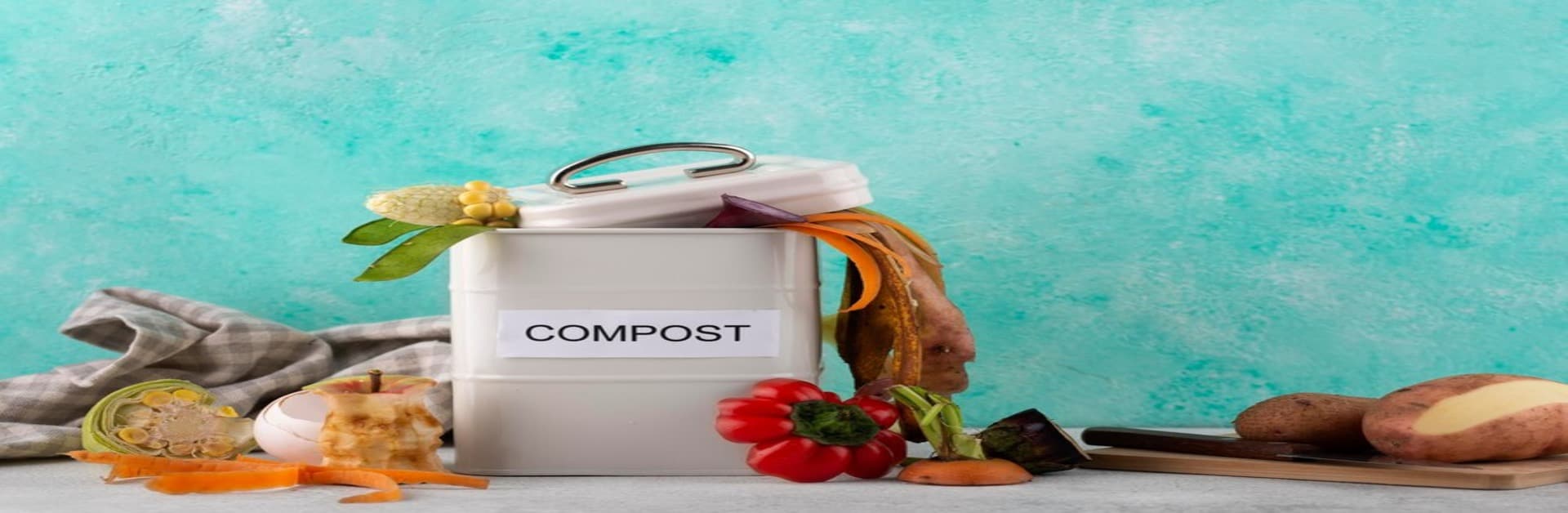
Composting and Organic Waste Management: A Greener Approach in Indian Households
4.7K
Contents
- What is Composting
- Types of Composting
- Understanding the Benefits of Composting
- Reducing Landfill Waste
- Creating Nutrient-Rich Soil
- Minimising Water Usage
- Simple Steps to Start Composting at Home
- Choose a Composting Method
- Collect Organic Waste
- Maintain the Right Balance
- Turn and Moisturise
- Harvest and Use Compost
- Organic Waste Management Process
- Composting in India
- Benefits of Composting
- The Final Word
In recent years, sustainable practices and waste management have gained increasing awareness. Composting and organic waste management provide a greener approach that significantly benefits Indian households. Properly handling organic waste can help reduce landfill burden and create nutrient-rich compost for our gardens. Let's delve into the importance of composting and organic waste management in Indian households.
What is Composting
Composting, a natural process, transforms organic materials into nutrient-rich manure, enhancing soil quality. It's a straightforward recycling method, utilising kitchen scraps like vegetable and fruit peels, along with small portions of cooked leftovers. Segregating edible waste into one container and dry waste like leaves, sawdust, and newspapers into another fosters the composting process efficiently.
Read More: Embracing Sustainable Living: 10 Steps for a Greener Future
Types of Composting
Explore diverse methods to compost effectively and sustainably with these innovative composting techniques:
- Traditional Garden Composting: Garden composting entails designating a small area in your garden for a composting bin with proper air circulation. Organic materials are layered- soil and dry leaves at the base, greens in the middle, and soil on top. This layering repeats until a 5-foot pile forms. Maintaining moisture and covering the pile are essential to prevent odour and ensure balance.
- 3-Bin Composting System: Ideal for smaller homes lacking garden space, this system comprises three stacked terracotta pots with a lid. Kitchen waste is deposited daily into the top bin, covered with cocopeat powder or dry leaves. Once full, it's rotated with an empty one. By the time the third bin fills up, compost from the first is ready for use.
- Vermicomposting: Using red wiggler earthworms, this method transforms organic waste into nutrient-rich compost. A series of interconnected compost pits, each containing earthworms, are utilised. Kitchen scraps are added to the pits on alternate days, gradually converting waste into compost.
Understanding the Benefits of Composting
Composting is decomposing organic materials, such as food scraps, vegetable peels, and yard waste, into nutrient-rich compost. Here are some key benefits of composting:
Reducing Landfill Waste
Organic waste makes up a significant portion of household waste. By composting, we can divert this waste from landfills, thereby reducing environmental pollution and the emission of greenhouse gases.
Creating Nutrient-Rich Soil
Compost is a valuable soil amendment. Adding it to gardens or potted plants enriches the soil, improves its structure, and enhances moisture retention. It also promotes healthy plant growth and reduces the need for chemical fertilisers.
Minimising Water Usage
Compost helps the soil retain moisture, reducing the need for frequent watering. In a country like India, where water scarcity is a pressing issue, composting can contribute to conserving water resources.
Also Read About: Zero Waste Lifestyle: Minimising Waste And Maximising Sustainability In India
Simple Steps to Start Composting at Home
Starting your composting journey at home is easier than you think. Here are the steps to get started
Choose a Composting Method
Select from backyard composting, composting using worms, or composting using fermentation.
Collect Organic Waste
Set up a separate container in your kitchen for fruit and vegetable scraps, coffee grounds, tea leaves, and eggshells. Avoid meat, dairy, or oily food waste to prevent pests.
Maintain the Right Balance
Balance "green" (nitrogen-rich) and "brown" (carbon-rich) materials. Greens include kitchen scraps and fresh yard waste, while browns have dry leaves, shredded paper, and cardboard.
Turn and Moisturise
Regularly turn the compost pile to aerate it and speed up decomposition. Keep the pile moist but not waterlogged.
Harvest and Use Compost
After weeks or months, your organic waste will turn into dark, crumbly compost. Use it to enrich your garden soil or potting mix.
Organic Waste Management Process
The organic waste management process involves several steps:
- Fresh organic waste is collected separately at the source to prevent contamination.
- Incoming waste is weighed to maintain accurate records.
- Biodegradable and non-biodegradable materials are separated to ensure compost quality.
- Proper carbon and nitrogen balance is achieved.
- Waste is layered in perforated compost boxes for aeration.
- Monitoring ensures high temperatures to kill pathogens.
- Regular checks and adjustments maintain ideal moisture levels.
- Waste undergoes a curing phase for about 15 days.
- Mature compost is sieved to achieve the desired texture.
- Compost is packed, stored, and sold, ensuring it meets quality standards.
Composting in India
Composting in India is becoming crucial in the fight against the nation's garbage crisis. Amidst challenges in waste management, initiatives like the Banega Swachh India campaign highlight the importance of composting. From rural Haryana to urban centres like Delhi, efforts are underway to improve waste management practices, with a focus on upcycling, recycling, and creating awareness about hygiene and sanitation.
Benefits of Composting
Composting is nature’s way of recycling biodegradable waste, requiring only proper waste segregation. Experts suggest that by segregating, recycling, and composting, a family of four can reduce their waste from 1000 kg to less than 100 kg annually. Composting reduces waste, builds healthy soil, boosts plant growth, and lowers dependency on fertilisers. Additionally, it reduces greenhouse gases, as food waste in landfills produces methane. By composting kitchen and vegetable waste, methane emissions are minimised, easing landfill burdens and benefiting the environment.
The Final Word
Composting and organic waste management provide a sustainable and eco-friendly solution for Indian households to tackle their organic waste. Composting at home can reduce landfill waste, create nutrient-rich soil, conserve water, and contribute to a greener environment. With little effort and commitment, every household can embrace a greener approach to waste management.