

Community Gardens: Fostering Sustainable Living in Indian Neighborhoods
7.4K
Contents
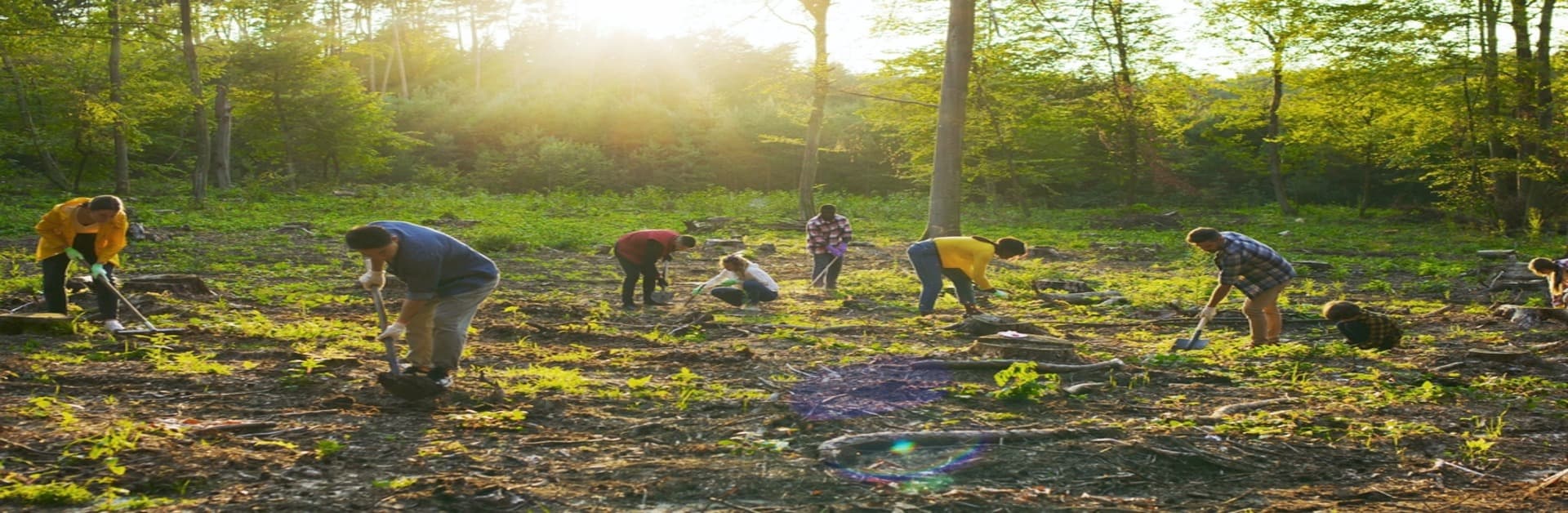
Community gardens are gaining popularity in Indian neighbourhoods to promote sustainable living and foster a sense of community. These green spaces allow individuals to connect with nature, grow their own food, and engage in eco-friendly practices. Let us explore the concept of community gardens in India and their numerous benefits.
Understanding Community Gardens
Community gardens help solve food problems in cities. As more people move to cities, it's harder to get fresh food. Community gardens fix this by:
- Letting people grow their own food
- Teaching about healthy eating
- Bringing neighbors together
- Using eco-friendly methods
These gardens make it easier for people to get fresh vegetables. They also help people learn about where food comes from. By growing food together, communities become stronger and more self-reliant. This local approach to growing food helps cities deal with food shortages and teaches people to care for the environment.
Types of community gardens
There are different types of community gardens to fit various needs:
- Allotment Gardens: Each person gets their own small plot
- Communal Gardens: Everyone works together on one big garden
- Rooftop Gardens: Gardens on building roofs to save space
- Raised Bed Gardens: Higher beds that are easier to reach
- Market Gardens: Grow food to sell locally
- Artistic Gardens: Mix plants with art for a pretty space
These different types mean community gardens can work almost anywhere. Whether you have a big empty lot or just a rooftop, there's a way to create a sustainable community garden. This variety helps more people get involved in growing food, no matter where they live or what they want from a garden.
Overcoming Challenges
Community gardens face several hurdles, but with creative solutions, these can be overcome. The main challenges fall into three categories:
Space Constraints
Finding suitable land in urban areas is often difficult. Cities have limited empty spaces, and available land can be expensive.
Solution: To address this, gardeners can work with city officials to identify and repurpose vacant lots. Collaborating with schools or religious institutions to use their grounds for community gardens in urban areas can also provide alternatives.
Resource Limitations
Gardens require basic infrastructure like water access, tools, and fencing. These necessities can be costly for community groups.
Solution: To overcome this, organizers can reach out to local businesses for sponsorships or donations. Applying for community grants and organizing fundraising events can also help secure needed resources. Tool-sharing programs among gardeners can reduce individual costs.
Gardening Knowledge Gap
Many urban dwellers lack experience in growing food, which can lead to frustration and abandoned plots.
Solution: To bridge this gap, community gardens can offer regular workshops and classes. Pairing new gardeners with experienced mentors creates a supportive learning environment. Creating a community resource library with gardening books and online materials can also help novice gardeners gain confidence and skills.
Community gardens in India are making a big difference. They help people get fresh food, learn about nature, and make friends with neighbours. As India's cities grow bigger, community gardens offer a way to keep people connected to nature and each other. They show that small actions, like planting a garden together, can lead to big improvements in how people live and eat in cities.