

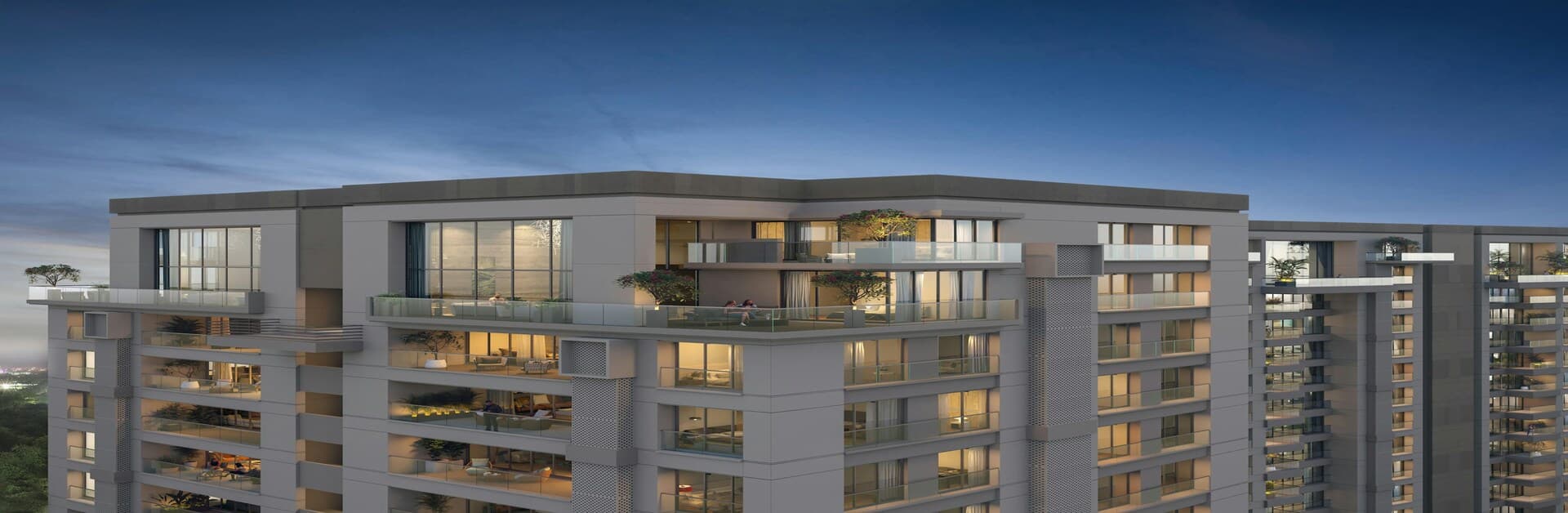
Vastu Tips for Apartment Balconies and Terraces
This blog explains how Vastu principles can be applied to apartment balconies and terraces to create comfortable and harmonious outdoor spaces. It covers the best direction for balcony as per Vastu, tips for maintaining clutter-free areas, terrace garden planning, and how vastu compliant home design can be integrated with modern apartment living.
Contents
- Why Balconies Matter in Vastu?
- Best Direction for Balcony According to Vastu
- Keep the Balcony Clean and Clutter-Free
- Balcony Furniture and Décor Ideas
- Importance of Sunlight and Ventilation
- Vastu for Terrace Garden Planning
- Water Features and Decorative Elements
- Balancing Tradition with Modern Apartment Design
- Conclusion
Balconies and terraces are valuable spaces in modern apartments because they provide natural light, ventilation, and a connection to the outdoors. Along with these practical benefits, many homeowners also consider traditional Vastu principles while designing open areas in their homes.
Applying vastu for balcony planning is a common approach among homeowners who want to create a balanced and comfortable living environment. Similarly, terrace spaces are often designed according to traditional recommendations to improve usability, greenery, and openness. While Vastu is based on cultural and architectural beliefs rather than scientific validation, it remains an important consideration in residential design for many families.
Why Balconies Matter in Vastu?
In Vastu Shastra, balconies are considered important because they influence the flow of sunlight, air, and openness inside a home. A well-planned balcony can improve ventilation and make indoor spaces feel brighter and more inviting.
Many homeowners who follow vastu compliant home design principles prefer balconies that allow sufficient natural light and fresh air throughout the day. Open and organized balconies are also easier to maintain and enhance the overall appearance of an apartment.
Best Direction for Balcony According to Vastu
One of the most discussed topics in balcony planning is orientation. According to traditional recommendations, the best direction for balcony as per vastu is usually north, east, or northeast. These directions are commonly associated with good sunlight and airflow.
- East-facing balconies receive soft morning sunlight.
- North-facing balconies often provide balanced lighting throughout the day.
- Northeast-facing balconies are widely preferred in Vastu planning for openness and ventilation.
Although the best direction for balcony as per vastu may vary depending on apartment layouts and surrounding structures, these directions are generally considered favorable in traditional planning.
Keep the Balcony Clean and Clutter-Free
A major recommendation in vastu for balcony planning is maintaining cleanliness and avoiding unnecessary clutter. Many apartment balconies become storage areas for unused furniture, boxes, or household items, which can reduce functionality and block airflow.
Keeping the balcony open and organized improves comfort and creates a more relaxing atmosphere. Compact seating arrangements, foldable furniture, and vertical storage solutions can help maximize available space without overcrowding the area.
These ideas are also commonly included in vastu compliant home design, where openness and easy movement are considered important elements of comfortable living spaces.
Balcony Furniture and Décor Ideas
Balconies are often used as personal relaxation areas where residents can enjoy outdoor views, read, or spend time with family. Furniture placement should support comfort while preserving openness within the available space.
Some popular balcony décor ideas include:
- Lightweight outdoor chairs and tables
- Hanging plants and vertical gardens
- Wooden or natural-finish furniture
- Decorative lighting
- Compact swings or benches for larger balconies
When applying vastu for balcony concepts, homeowners often avoid overcrowding the space with excessive furniture or decorative elements. A balanced layout helps maintain both functionality and visual appeal.
Importance of Sunlight and Ventilation
Natural light and fresh air are important aspects of both modern architecture and traditional Vastu planning. Apartments with well-positioned balconies generally feel brighter, healthier, and more energy-efficient.
Many homebuyers consider the best direction for balcony as per vastu because they prefer homes with better daylight access and airflow. Proper ventilation can also improve indoor comfort and reduce dependence on artificial lighting during daytime hours.
These factors are often included in vastu compliant home design, which focuses on combining traditional preferences with practical architectural planning.
Vastu for Terrace Garden Planning
Terraces offer additional space for gardening, seating, and outdoor recreation. A thoughtfully designed vastu for terrace garden approach usually focuses on maintaining balance between greenery, accessibility, sunlight exposure, and proper drainage.
Homeowners commonly use terrace spaces for:
- Flowering plants
- Kitchen gardens
- Herbs and small vegetables
- Outdoor seating areas
- Decorative landscaping
When following vastu for terrace garden principles, many people also ensure that plants remain healthy and that the terrace stays clean and well-maintained throughout the year.
Water Features and Decorative Elements
Some homeowners include decorative items such as fountains, lanterns, sculptures, or water bowls in balconies and terraces. These features can improve the visual appeal of outdoor spaces when used carefully.
While applying vastu for balcony ideas, decorative elements should complement the available area without making it feel crowded. Soft lighting, natural materials, and greenery are commonly preferred because they create a calm and welcoming atmosphere.
Balancing Tradition with Modern Apartment Design
Modern apartment projects prioritize structural safety, efficient layouts, ventilation, and energy performance. However, many homeowners still choose to include traditional Vastu concepts wherever practical.
A balanced vastu compliant home design combines modern architectural functionality with cultural preferences. Since apartment layouts are often fixed, residents may focus on simple improvements such as better organization, natural lighting, greenery, and comfortable outdoor seating rather than strict adherence to every guideline.
Conclusion
Balconies and terraces play an important role in improving apartment living by providing sunlight, ventilation, outdoor comfort, and additional usable space. For homeowners who value traditional planning methods, vastu for balcony recommendations can offer useful guidance for maintaining open, clean, and relaxing outdoor areas.
Considering the best direction for balcony as per vastu, maintaining organized spaces, and applying vastu for terrace garden ideas can help create visually appealing and functional environments. When thoughtfully integrated with modern architecture, these elements contribute to a practical and comfortable vastu compliant home design.