
The Rise of Community Living in Modern Real Estate
This blog explores how community living is transforming modern residential developments through integrated townships, shared amenities, and lifestyle-focused planning. It highlights the growing demand for gated communities, wellness-centric infrastructure, and socially connected neighbourhoods that improve convenience, security, and overall quality of life for modern homebuyers.
Contents
- Understanding Community-Centric Living
- Changing Buyer Preferences in Urban India
- The Role of Integrated Townships
- Social Interaction and Sense of Belonging
- Benefits of a Gated Community
- Wellness and Lifestyle-Oriented Design
- Technology and Smart Community Management
- Investment Potential of Community-Centric Projects
- Future of Community-Centric Real Estate
- Conclusion
Modern homebuyers are no longer evaluating properties based only on square footage or location. Today, people increasingly seek homes that offer connection, convenience, security, and a better overall lifestyle experience. This shift has accelerated the popularity of community living across Indian real estate markets, especially in urban and suburban developments.
Developers are now designing projects that focus on creating social interaction, shared experiences, and integrated lifestyles rather than isolated residential units. Industry experts note that community-centric developments prioritize shared spaces, social infrastructure, and holistic living experiences that encourage stronger neighbourhood connections.
As cities continue to expand and lifestyles evolve, the demand for well-planned residential communities is expected to grow significantly.
Understanding Community-Centric Living
At its core, community living refers to residential environments designed to encourage interaction, convenience, and shared experiences among residents. Unlike traditional housing models focused solely on private spaces, community-centric developments incorporate shared amenities, green spaces, recreational zones, and social infrastructure.
These developments are increasingly being integrated into large-scale real estate township projects where residents can access schools, healthcare, retail, offices, and recreational facilities within a single ecosystem. This concept supports convenience while also promoting stronger social engagement.
Experts highlight that buyers now prioritize neighbourhood experience and lifestyle quality as much as the property itself.
Changing Buyer Preferences in Urban India
Rapid urbanization and fast-paced city lifestyles have increased the demand for homes that support work-life balance and social connectivity. Many buyers now value open spaces, wellness facilities, coworking areas, and recreational amenities within residential projects.
This evolving preference has contributed significantly to the growth of community living developments across metro and Tier-2 cities. The pandemic also reinforced the importance of neighbourhood support systems and accessible lifestyle infrastructure.
As a result, developers are increasingly designing real estate township projects that combine residential units with parks, sports facilities, shopping zones, and community spaces.
The Role of Integrated Townships
Integrated townships are among the strongest examples of community-centric development. These large-scale residential ecosystems are designed to provide residents with access to daily necessities within close proximity.
A modern real estate township often includes schools, hospitals, retail centres, offices, landscaped gardens, and recreational amenities within the same development. This integrated planning reduces commute times and improves convenience for residents.
Experts suggest that mixed-use and hyper-local developments are becoming increasingly attractive because buyers seek walkable and self-sustaining neighbourhoods.
The rise of these developments reflects the growing demand for organized and lifestyle-focused community living environments.
Social Interaction and Sense of Belonging
One of the biggest advantages of community-centric developments is the opportunity to build social connections. Shared spaces such as clubhouses, parks, jogging tracks, and event zones encourage residents to interact regularly.
This social aspect of community living is especially valuable in urban environments where fast-paced lifestyles can often lead to isolation. Community events, wellness activities, and recreational programs help foster a stronger sense of belonging among residents.
Experts note that modern buyers increasingly value neighbourhood interaction and collaborative living experiences when choosing residential developments.
Benefits of a Gated Community
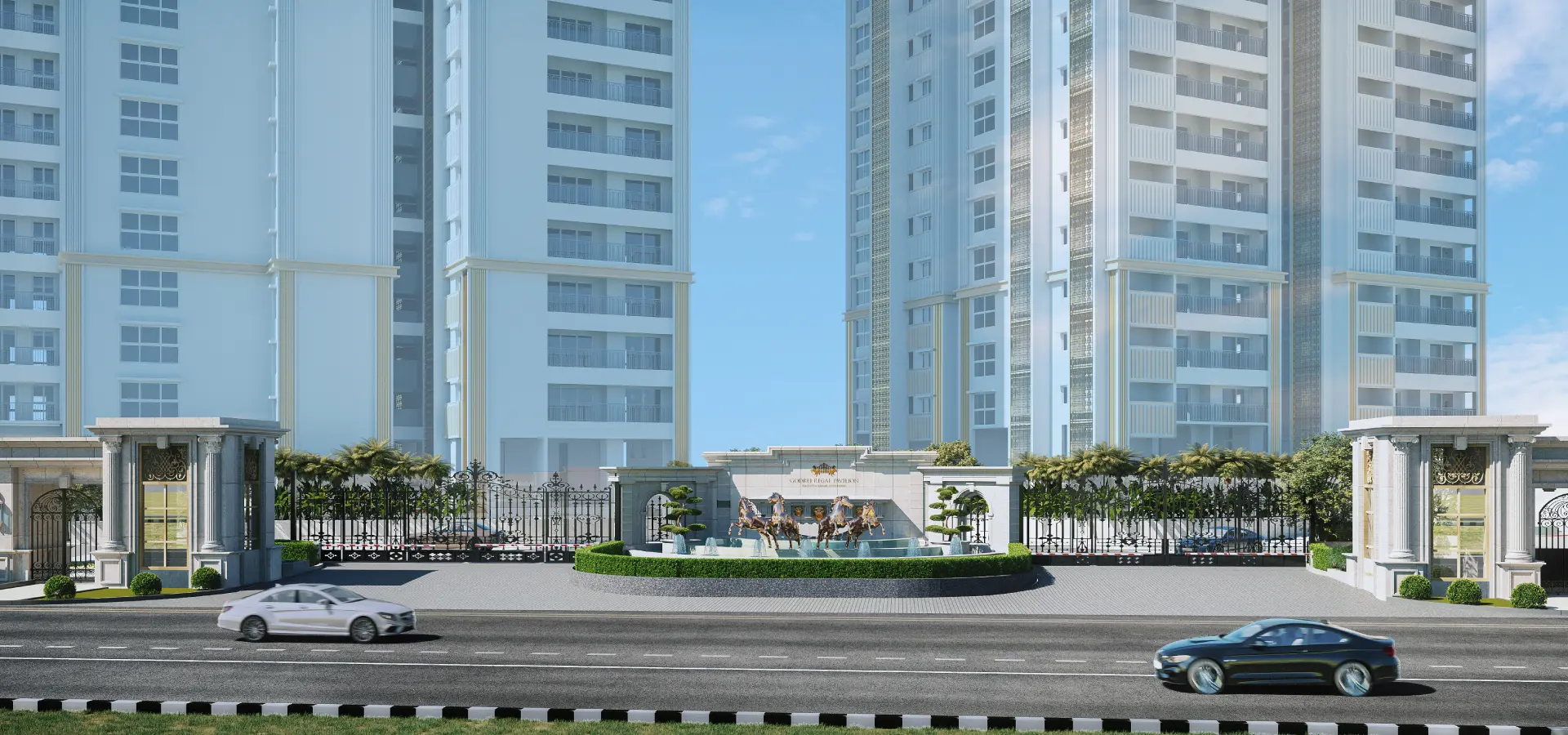
Security and convenience remain major priorities for modern homebuyers. One of the key benefits of a gated community is controlled access and enhanced safety infrastructure. Gated developments often include surveillance systems, security personnel, and visitor management systems that improve resident security.
Another important aspect of the benefits of a gated community is access to shared lifestyle amenities such as fitness centres, swimming pools, sports courts, and landscaped open spaces. These facilities contribute to a healthier and more balanced lifestyle.
Additionally, organized maintenance and community management services help residents experience greater convenience and operational efficiency.
Wellness and Lifestyle-Oriented Design
Modern residential developments increasingly focus on wellness-centric planning. Developers are incorporating green spaces, walking tracks, meditation zones, and fitness amenities into residential communities.
This approach aligns naturally with the principles of community living, where shared wellness infrastructure encourages healthier lifestyles and stronger resident engagement.
Several large-scale real estate township projects now prioritize sustainable design, open spaces, and environmental planning to create healthier urban ecosystems.
Industry reports indicate that community-focused residential developments are increasingly integrating sustainability and shared lifestyle infrastructure as key planning elements.
Technology and Smart Community Management
Technology is playing an important role in improving community-focused residential experiences. Smart access systems, community apps, digital maintenance requests, and automated services are becoming common features in modern developments.
These innovations strengthen community living by making communication and resource management more efficient. Residents can book amenities, receive updates, and participate in community activities through integrated digital platforms.
Technology also enhances many benefits of a gated community by improving security monitoring, visitor management, and operational convenience.
Investment Potential of Community-Centric Projects
Community-focused residential developments are also becoming attractive from an investment perspective. Buyers increasingly prefer projects that provide lifestyle infrastructure, safety, and long-term liveability.
Well-planned real estate township developments often witness sustained demand because they offer integrated ecosystems rather than standalone residential units.
Experts suggest that properties within organized community living developments may benefit from stronger occupancy rates and long-term buyer demand due to their lifestyle-oriented planning.
Future of Community-Centric Real Estate
The future of urban housing is expected to become increasingly community-oriented. As cities become denser and lifestyles evolve, buyers are likely to prioritize convenience, social interaction, and sustainability over isolated living.
The continued growth of community living reflects changing expectations around urban lifestyles and residential experiences. Integrated planning, wellness-focused design, and sustainable infrastructure are expected to shape the next generation of housing developments.
The growing popularity of real estate township projects and the expanding benefits of a gated community indicate that community-centric living is likely to remain one of the most important trends in modern real estate.
Conclusion
Community-centric living is transforming the way residential developments are planned and experienced. Modern buyers increasingly seek homes that provide more than physical space—they want convenience, connection, wellness, and security. This shift has accelerated the rise of community living across urban India.
Integrated real estate township developments are responding to these evolving expectations by combining residential, recreational, and lifestyle infrastructure within self-sustaining ecosystems. At the same time, the growing benefits of a gated community continue to attract buyers seeking safety, convenience, and enhanced quality of life.
As urban lifestyles continue to evolve, community-focused developments are expected to play a central role in shaping the future of Indian real estate.