

Mumbai-Ahmedabad High-Speed Rail (Bullet Train): Route, Progress & Future
Contents
- What is the Mumbai-Ahmedabad High-Speed Rail Corridor?
- Bullet Train Mumbai to Ahmedabad Route & Station Highlights
- Cutting-Edge Technology Behind the Mumbai-Ahmedabad High-Speed Rail
- Mumbai-Ahmedabad Bullet Train Cost of Construction & Budget
- The Bullet Train’s Impact on Connectivity, Economy & Sustainability
- How the Bullet Train Will Boost Property Prices in Mumbai and Ahmedabad
- The Final Word
- Frequently Asked Questions
- What is the total distance covered by the Mumbai-Ahmedabad High‑Speed Rail?
- What speed will the bullet train operate at?
- When will the bullet train be launched for public use?
- How many stations will be there along the bullet train route?
- What kind of technology is being used for the bullet train?
- Who is in charge of the construction and how is it being funded?
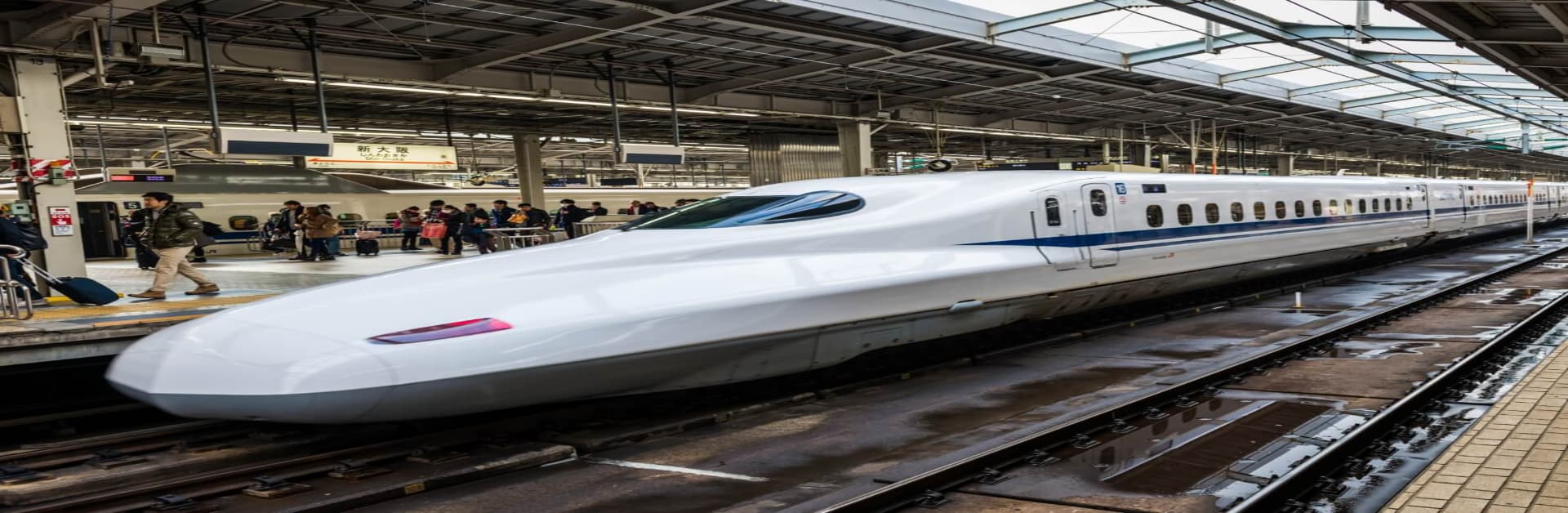
The Mumbai-Ahmedabad High-Speed Rail is India’s first bullet train project, designed to transform the way we travel between these two major cities. It promises to cut journey time from over 6 hours to just about 2 hours. This rail corridor isn’t just about speed, it’s about redefining inter-city connectivity, comfort, and efficiency. For both business travellers and tourists, the Mumbai Ahmedabad bullet train represents a modern leap in public transport infrastructure, comparable to Japan’s Shinkansen model.
What is the Mumbai-Ahmedabad High-Speed Rail Corridor?
This high-speed corridor stretches approximately 508 kilometres, linking Mumbai in Maharashtra to Ahmedabad in Gujarat. It is being developed by the National High-Speed Rail Corporation Limited (NHSRCL) with assistance from Japan. The Mumbai Ahmedabad high speed rail project uses advanced rail technology for smoother and faster journeys. With a design speed of 320 km/h, the route will support a modern lifestyle and economic integration between two of India’s most influential cities.
Bullet Train Mumbai to Ahmedabad Route & Station Highlights
The bullet train Mumbai to Ahmedabad route will include 12 major stations such as Bandra Kurla Complex (BKC), Thane, Vapi, Surat, Vadodara, and Sabarmati, forming a strategically planned bullet train route across key urban and industrial centres. Around 21 km of the Mumbai portion is being built underground, including a tunnel under the sea. The rest of the route is elevated, ensuring minimal disruption to existing infrastructure. Stations like Surat and Sabarmati will serve as major commercial hubs, enhancing local connectivity along the Ahmedabad-Mumbai bullet train route.
Cutting-Edge Technology Behind the Mumbai-Ahmedabad High-Speed Rail
The Ahmedabad-Mumbai bullet train will run on Shinkansen E5 Series technology, known for its high safety record and smooth acceleration. Tracks are being built using ballastless slab technology, which reduces maintenance needs and enhances stability. The trains will have automatic train control systems, earthquake detection sensors, and energy-efficient designs across every bullet train station Every part of the system is focused on reliability, speed, and passenger comfort, making the bullet train Mumbai to Ahmedabad route a tech marvel.
Mumbai-Ahmedabad Bullet Train Cost of Construction & Budget
The total estimated Mumbai-Ahmedabad bullet train cost is around INR 1.1 lakh crore (approximately 13 billion dollars). A major portion of this funding comes from Japan via a soft loan at a minimal interest rate. While the budget is large, it covers not just trains and tracks but also world-class stations, tunnels, and signalling systems built along the Mumbai Ahmedabad bullet train route. The scale of the Mumbai-Ahmedabad high-speed rail cost reflects the futuristic vision and long-term impact this corridor aims to deliver.
The Bullet Train’s Impact on Connectivity, Economy & Sustainability
This project is expected to revolutionise not only transport but also regional development. Faster travel means easier business, quicker commutes, and better tourism. The Ahmedabad-Mumbai bullet train will reduce carbon emissions by shifting traffic from roads and short-haul flights. It promotes sustainable urbanisation and economic balancing between cities. In the long run, the Mumbai-Ahmedabad high-speed rail is set to become a model for green, fast, and inclusive development in India.
How the Bullet Train Will Boost Property Prices in Mumbai and Ahmedabad
Real estate markets around upcoming stations, particularly in Thane, Surat, and Sabarmati, are already seeing increased activity. With faster travel, suburbs will become more attractive for both homebuyers and businesses. The bullet train Mumbai to Ahmedabad route will open up new corridors of growth, reducing pressure on central zones. The improved infrastructure and accessibility are likely to cause a steady rise in land and property values near key bullet train hubs.
The Final Word
The Mumbai-Ahmedabad high-speed rail is more than just India’s first bullet train; it’s a statement of intent. It signals the country’s move towards next-generation infrastructure, efficient mobility, and sustainable growth. From cutting travel time and boosting the economy to reshaping real estate and daily life, the Ahmedabad-Mumbai bullet train will bring transformative change. Once complete, this route will not just link two cities, it will connect dreams, progress, and possibilities.