

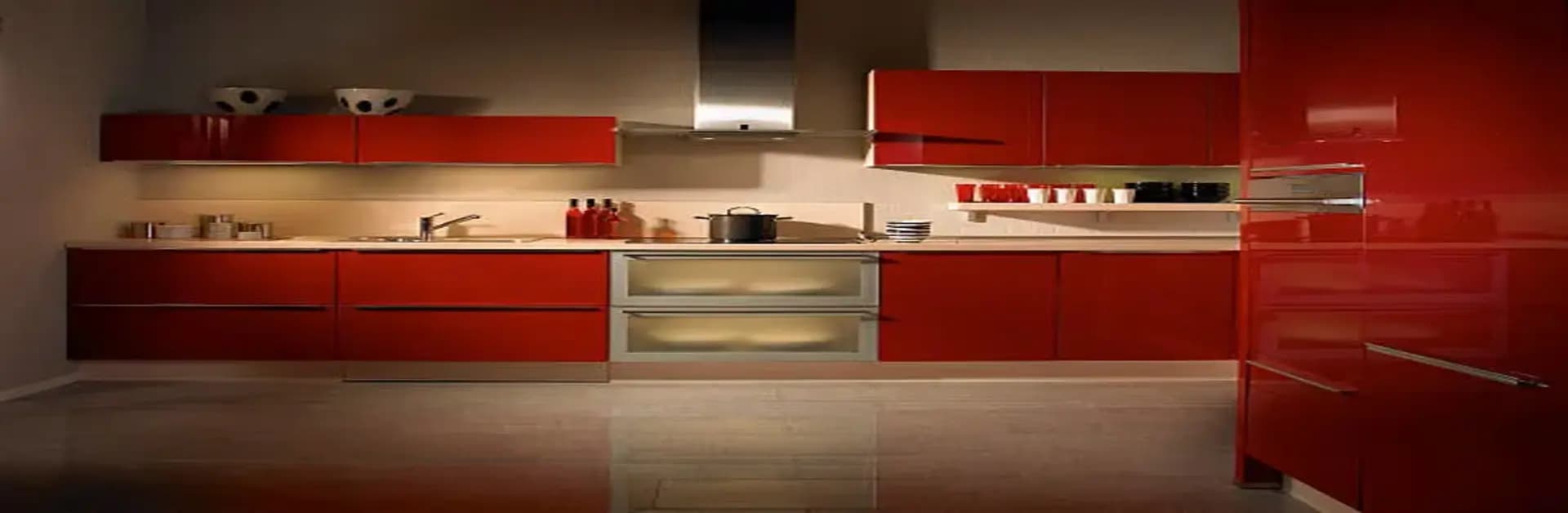
The Breakdown of Modular Kitchen Costs: Materials, Labor, and More
4.5K
Contents
Designing a modular kitchen requires a thoughtful approach to achieve the perfect balance between style and practicality. Costs depend on factors like the material used in modular kitchen setups, labour, and design elements. Whether it’s a compact kitchen in Thane’s residential hubs like Pokhran Road or a luxurious design in Mumbai’s upscale Bandra neighbourhood, understanding the costs involved helps you plan effectively without surprises.
The Best Material for Modular Kitchen Cabinets
The choice of materials largely determines the durability and aesthetics of your modular kitchen. Plywood is the best material for modular kitchen cabinets due to its strength and resistance to moisture. It’s an ideal option for coastal areas like Mumbai, where humidity is high. MDF and particleboard are budget-friendly alternatives, though less durable.
For countertops, granite is widely used for its resilience and cost-effectiveness. Quartz, though more expensive, offers a sleek and modern look. Materials like stainless steel are perfect for industrial-style kitchens, offering a unique blend of functionality and sophistication.
Labour Costs and Installation Charges
Labour is a crucial aspect of modular kitchen costs. Skilled carpenters and technicians ensure proper installation and alignment, which is essential for durability. In metropolitan cities like Mumbai, labour charges can range from ₹500* to ₹1,000* per square foot, depending on the complexity of the design. Precision in fitting cabinets, countertops, and appliances contributes significantly to the overall expense.
Design, Layout, and Accessories
The kitchen layout also influences costs. Straight-line modular kitchens are affordable and efficient, while island or U-shaped kitchens cost more due to additional materials and space requirements. Accessories like soft-close drawers, pull-out shelves, and corner solutions enhance usability but come at a premium.
The material used in modular kitchen hardware also affects pricing. High-quality stainless steel or aluminium fittings ensure durability and smooth operation. Opting for branded hardware can increase costs initially but proves economical in the long run.
Appliance Integration
Appliances integrated into modular kitchens, such as chimneys, hobs, and ovens, add convenience but also raise expenses. For instance, a premium chimney from Faber or Elica can cost between ₹10,000* and ₹50,000*. Built-in microwaves and refrigerators add to the final price, making it important to prioritise based on your needs.
The Final Word
Creating the perfect modular kitchen involves choosing the right materials, skilled labour, and functional designs. From selecting the best material for modular kitchen cabinets to considering appliance integration, every decision impacts the cost and quality. Prioritising durability and expert installation ensure long-term satisfaction. Invest wisely to create a kitchen that’s both stylish and practical, meeting all your culinary needs.