
How Infrastructure Development Is Driving Residential Demand in Hoskote
This blog explains how infrastructure development is increasing residential demand in Hoskote and why flats and plots in the area are attracting long-term buyers.
Contents
Infrastructure development has become the single biggest factor shaping housing demand across Bengaluru’s outskirts, and Hoskote is a clear example of this shift. Once viewed as a peripheral suburb, hoskote real estate is now drawing consistent interest from homebuyers and investors alike, largely due to improved connectivity and planned civic upgrades.
As infrastructure strengthens, demand for flats in Hoskote, plots in Hoskote, and organised properties in Hoskote continues to rise.
Connectivity Improvements Are Changing Buyer Perception
One of the key drivers behind the growth of hoskote real estate is enhanced road connectivity. Improved access to Old Madras Road and smoother links to Whitefield and KR Puram have reduced commute times and made daily travel more predictable.
This improved accessibility has directly impacted demand for flats in Hoskote, especially among professionals who want proximity to East Bengaluru’s employment hubs without paying premium city prices. At the same time, buyers exploring long-term investments are actively considering plots in Hoskote due to better road-led development potential.
Infrastructure Is Supporting Planned Residential Growth
Unlike unplanned expansion, Hoskote’s development is increasingly structured. Upgrades in water supply, drainage systems, and public utilities are creating a stronger foundation for residential communities.
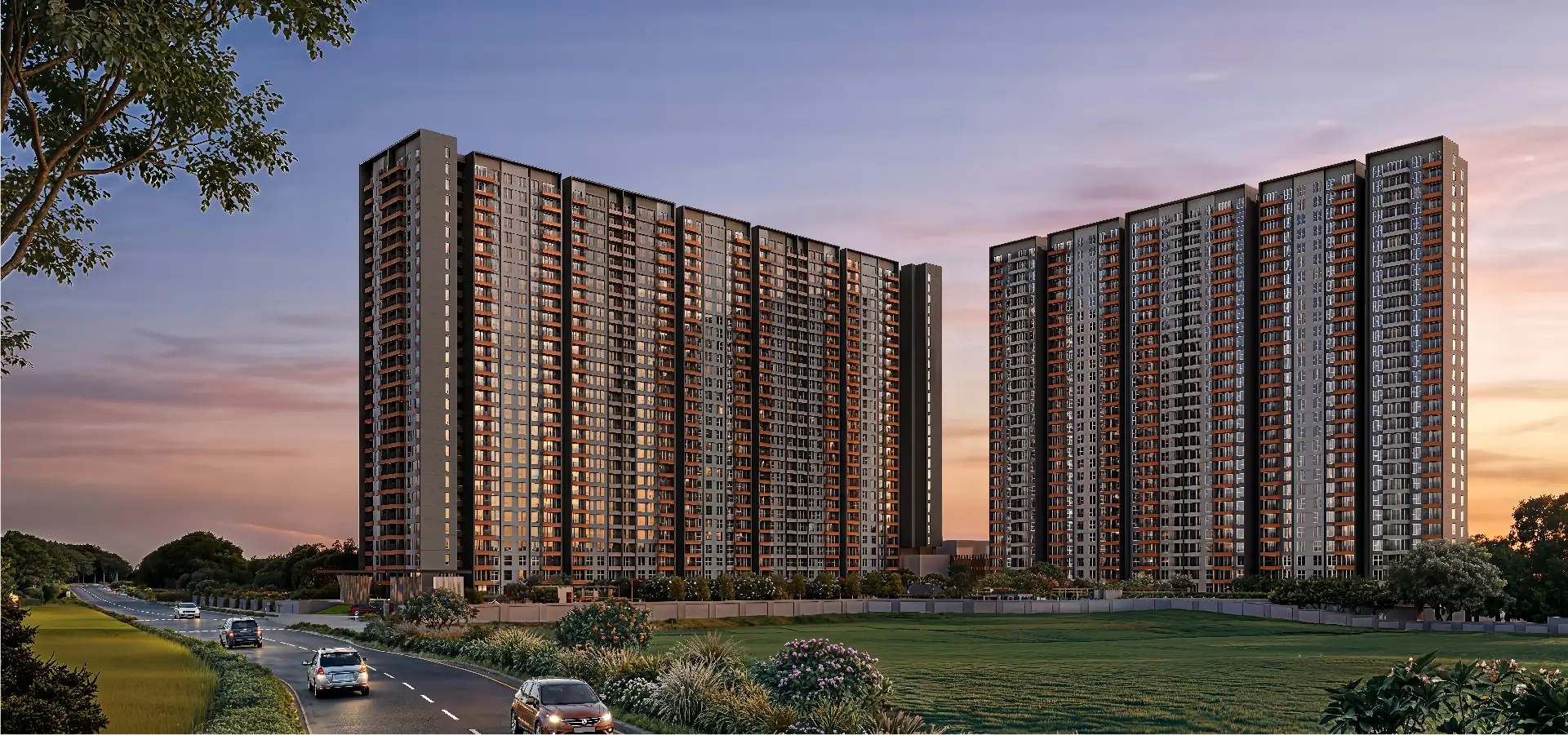
This shift is visible in the growing number of organised properties in Hoskote, where developers are focusing on liveability rather than just density. As a result, Hoskote real estate is attracting buyers who want stability and long-term usability rather than speculative gains.
Rising Demand for Flats and Plots in Hoskote
Infrastructure-led growth has diversified buyer demand in the area. End-users are leaning toward flats in Hoskote within gated communities, while long-term investors and custom-home buyers are showing interest in plots in Hoskote.
Both segments benefit from:
- Better internal road networks
- Proximity to upcoming social infrastructure
- Increasing credibility of properties in Hoskote as a residential destination
This balanced demand is strengthening the overall profile of hoskote real estate.
Social Infrastructure Is Strengthening Residential Appeal
Beyond roads, the addition of schools, healthcare facilities, and neighbourhood retail is further supporting residential demand. These developments reduce dependency on distant city centres and make daily living more convenient.
For families, this has made flats in Hoskote more practical for long-term living. For investors, improved social infrastructure enhances the value of plots in Hoskote, especially as surrounding properties in Hoskote mature into established residential pockets.
Why Infrastructure Makes Hoskote a Long-Term Bet
What sets Hoskote apart is that infrastructure development is still unfolding, not saturated. This gives buyers entering hoskote real estate today a longer growth runway compared to fully developed zones.
With consistent upgrades and rising residential absorption, both flats in Hoskote and plots in Hoskote are expected to benefit from steady demand, making the area increasingly relevant within Bengaluru’s residential map.
Final Thoughts
Infrastructure is no longer just a supporting factor, it is the primary driver of residential demand in Hoskote. As connectivity improves and civic facilities expand, Hoskote real estate is transitioning into a stable, end-user–friendly market.
For buyers evaluating properties in Hoskote, the combination of improving infrastructure, rising demand for flats in Hoskote, and long-term potential of plots in Hoskote makes the area worth serious consideration.