

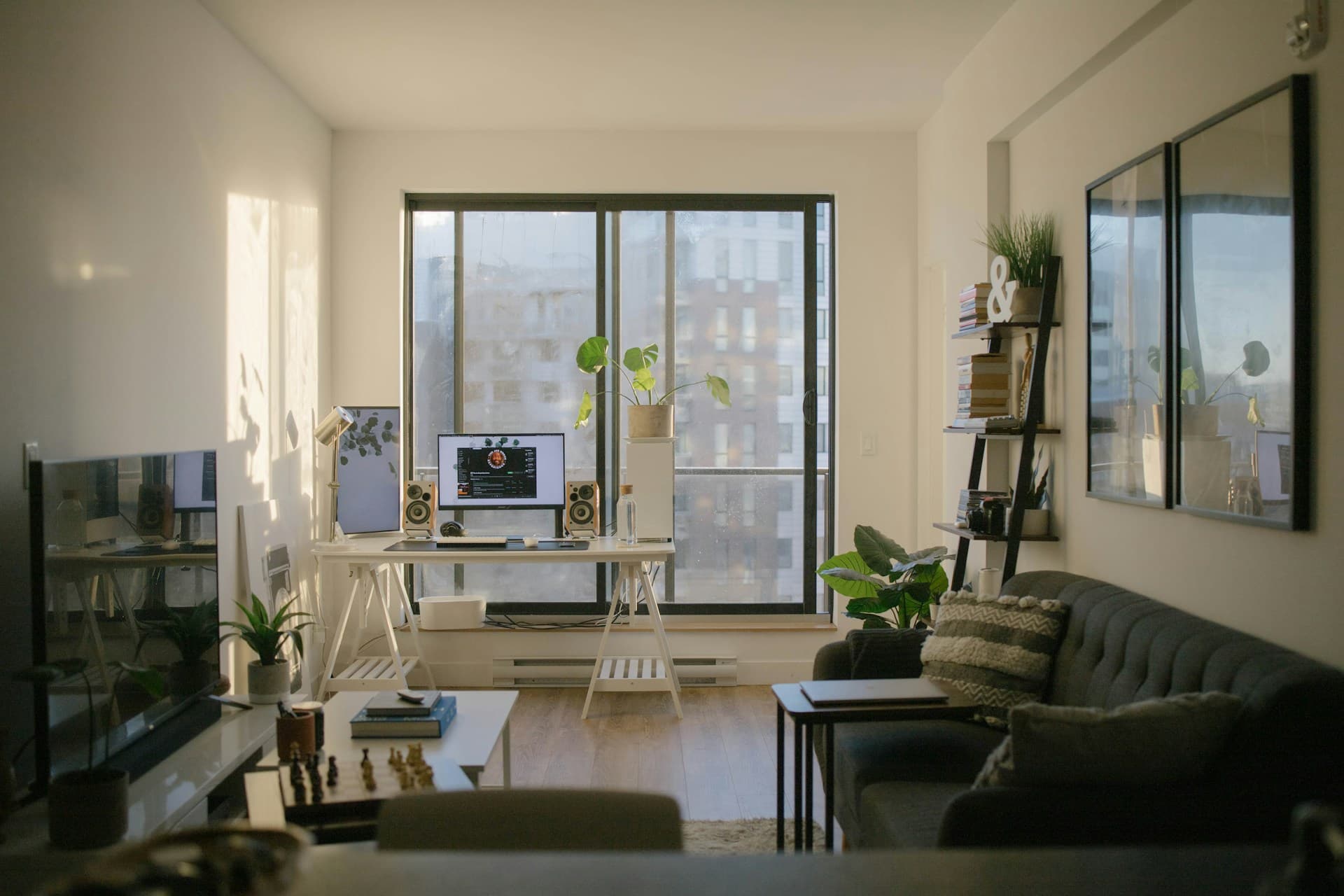
How Modern Apartments Are Designed for Work-Life Balance
This blog explains how modern apartments are being designed to support work life balance through smarter, more adaptable living spaces. It explores the role of home offices, wellness zones, and flexible layouts in helping residents balance productivity, comfort, and relaxation within the same home, making apartment living better suited to hybrid work and modern urban lifestyles.
Contents
- How Modern Apartments Are Designed for Work-Life Balance
- Why Work-Life Balance Has Become a Design Priority
- 1. The home is now a multi-functional space
- 2. Daily routines now influence homebuying decisions
- Home Offices Are Now a Core Part of Apartment Planning
- 1. Dedicated workspaces improve focus and routine
- 2. Home offices help create mental separation
- 3. Design elements that improve home office functionality
- Wellness Zones Are Becoming Essential in Modern Apartments
- Wellness is now part of everyday living
- Wellness zones reduce stress and support routine
- Community amenities strengthen the wellness experience
- Flexible Layouts Make Apartments More Adaptable
- 1. Flexible layouts support changing needs
- 2. Compact homes benefit the most from flexibility
- 3. Adaptability is becoming a marker of premium living
- Natural Light, Ventilation and Privacy Still Matter
- 1. Light and ventilation influence productivity and comfort
- 2. Privacy is essential for hybrid living
- Storage and Organization Are Central to Better Work-Life Balance
- 1. Organized homes feel more balanced
- 2. Good storage helps workspaces stay contained
- Apartment Design Is Becoming More Lifestyle-Led
- Conclusion
How Modern Apartments Are Designed for Work-Life Balance
Modern apartment living is no longer just about owning a home in a convenient location. Over the last few years, the way people use their homes has changed significantly, especially as hybrid work, digital connectivity, and wellness-focused lifestyles have become more common. Today, homes are expected to support professional productivity, family life, relaxation, fitness, and social interaction—all within the same environment. As a result, work life balance has become a key factor shaping how new residential spaces are planned and designed.
Developers and architects are increasingly responding to this shift by creating apartments that support both efficiency and comfort. Features such as dedicated home offices, thoughtfully planned wellness zones, and adaptable flexible layouts are now central to apartment design rather than optional additions. These design choices help residents maintain clearer boundaries between work and personal life while making better use of available space.
Why Work-Life Balance Has Become a Design Priority
Apartment buyers today are evaluating homes very differently than they did a few years ago. Beyond size, price, and location, they are also looking for homes that fit their routines and reduce everyday stress. This is where work life balance has become an important design priority in modern housing.
1. The home is now a multi-functional space
The modern apartment is expected to do much more than provide a place to sleep and relax. It often needs to function as an office, a quiet reading corner, a fitness area, and a family gathering space. This shift has pushed residential design away from static room planning and toward more practical, lifestyle-oriented layouts.
2. Daily routines now influence homebuying decisions
People want homes that support how they actually live. A resident may need a quiet corner for calls during the day, a comfortable family dining space in the evening, and a place to unwind at night. Apartments that enable this transition more smoothly are naturally better suited to supporting work life balance.
Home Offices Are Now a Core Part of Apartment Planning
One of the biggest changes in residential design is the growing importance of home offices. What was once considered an extra convenience has now become a practical requirement for many urban homebuyers, especially those working remotely or following hybrid schedules.
1. Dedicated workspaces improve focus and routine
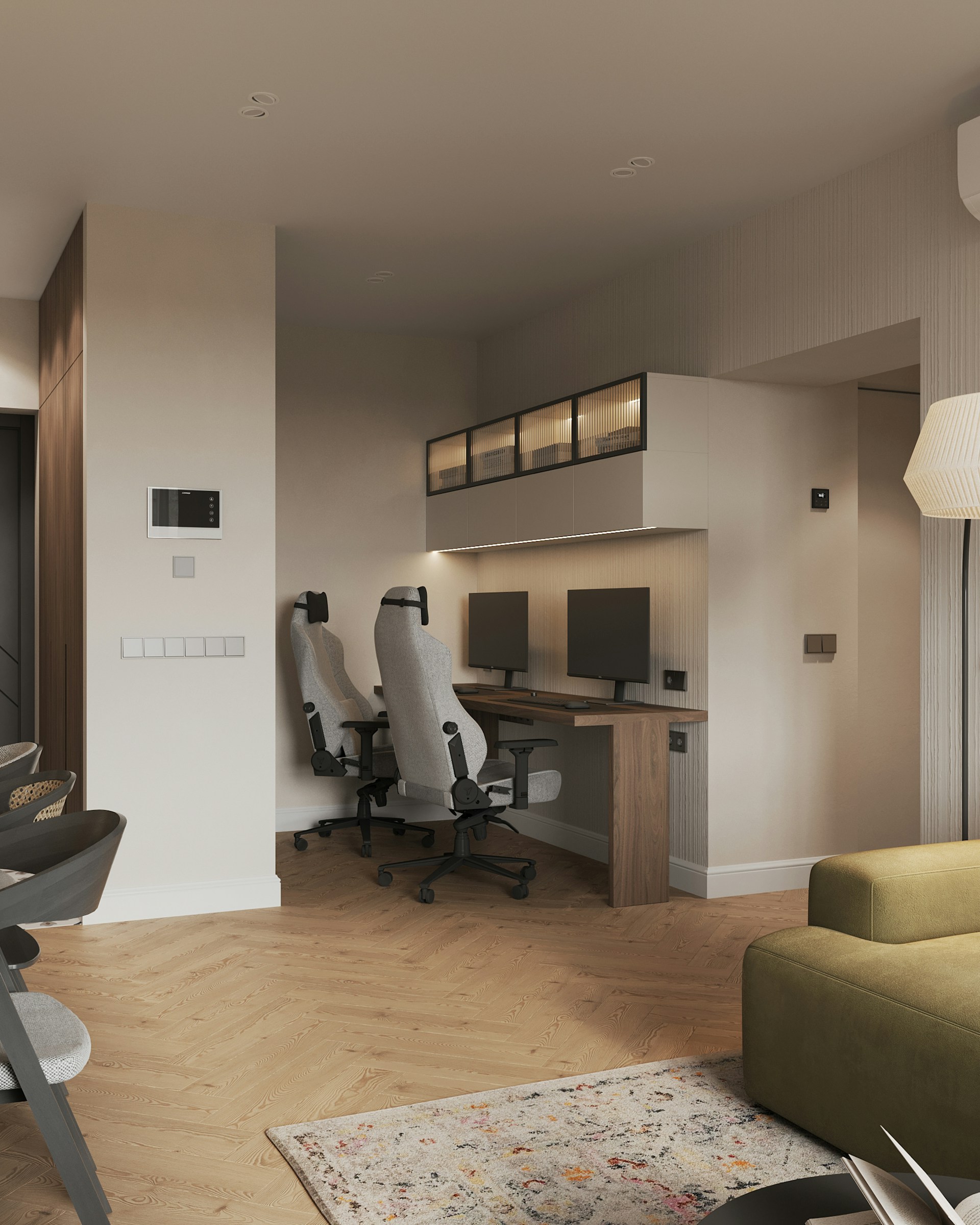
A proper work setup helps separate professional responsibilities from domestic distractions. Even in compact homes, a small but dedicated workstation can improve focus and reduce the stress of working from dining tables or bedrooms. This is why modern apartments increasingly include study alcoves, built-in desk spaces, or spare rooms that can double up as work areas.
2. Home offices help create mental separation
Well-planned home offices are not only about productivity; they also help maintain healthier boundaries. When work is assigned to a defined area within the home, it becomes easier to mentally switch off at the end of the day. This contributes directly to better work life balance, especially for professionals who spend long hours working indoors.
3. Design elements that improve home office functionality
Developers are now paying attention to details that make home offices more effective, such as:
- natural lighting near work corners
- sufficient plug points and charging areas
- built-in storage or shelves
- noise-reducing room placement
- layouts that reduce visual overlap with entertainment spaces
These additions make a workspace feel intentional rather than improvised.
Wellness Zones Are Becoming Essential in Modern Apartments
As work becomes more integrated into home life, the need for recovery and mental reset has also increased. This is where wellness zones are playing a larger role in residential design. Modern apartments are increasingly being planned with spaces that support calm, movement, and wellbeing.
Wellness is now part of everyday living
Earlier, wellness was mostly associated with gyms or clubhouses. Today, residents also want calming spaces within the home itself. A window-side reading nook, a meditation corner, a yoga mat zone in the bedroom, or a balcony seating space can all function as personal wellness zones that support emotional and physical wellbeing.
Wellness zones reduce stress and support routine
When a home includes areas specifically meant for relaxation, it becomes easier to create routines around unwinding and self-care. These wellness zones may not require much space, but they can make a big difference in how a home feels after a long workday. They also reinforce work life balance by ensuring that rest is treated as a part of daily life, not just an afterthought.
Community amenities strengthen the wellness experience
Apartments are also extending this idea beyond the home. Many residential communities now offer shared wellness zones such as:
- yoga decks
- landscaped gardens
- walking tracks
- fitness studios
- clubhouse lounges
- meditation lawns
These amenities allow residents to disconnect from work without needing to leave the residential complex.
Flexible Layouts Make Apartments More Adaptable
A major hallmark of modern apartment design is adaptability. As family routines, work patterns, and space requirements evolve, homes need to keep up. This is why flexible layouts have become one of the most valuable features in contemporary residential planning.
1. Flexible layouts support changing needs
A room that functions as a guest bedroom today may need to become a nursery tomorrow or a home office next year. Instead of locking residents into rigid room functions, flexible layouts make it easier to adapt the home over time. This is especially valuable in apartments where every room needs to deliver more than one purpose.
2. Compact homes benefit the most from flexibility
In smaller apartments, good design matters even more. Flexible layouts help maximize utility without making the space feel crowded. Examples include:
- sliding partitions that create temporary work zones
- foldable desks and wall-mounted workstations
- open-plan living and dining areas
- movable furniture that can be reconfigured easily
- bedrooms with integrated study corners
These features improve day-to-day usability while supporting better work life balance for residents who use the same home for multiple activities.
3. Adaptability is becoming a marker of premium living
Today, convenience is not just about amenities, it is also about how intelligently a home is planned. Apartments with flexible layouts feel more future-ready because they can evolve with the resident’s lifestyle rather than becoming restrictive over time.
Natural Light, Ventilation and Privacy Still Matter
Even with all the focus on multifunctional spaces, the basics of good design remain critical. Elements such as natural light, fresh air, and privacy have a direct impact on how comfortable and balanced apartment living feels on a daily basis.
1. Light and ventilation influence productivity and comfort
Homes with larger windows, better airflow, and brighter interiors generally feel calmer and more energizing. Natural light can improve mood, reduce fatigue, and make home offices more pleasant to use during the day. Ventilation also becomes especially important when people are spending longer hours indoors for both work and relaxation.
2. Privacy is essential for hybrid living
A home that supports work life balance must also support privacy. Video calls, concentrated work, family conversations, and leisure activities often happen simultaneously in modern apartments. Design choices such as room separation, buffered layouts, and acoustic considerations can help reduce conflict between these activities and improve the overall living experience.
Storage and Organization Are Central to Better Work-Life Balance
A cluttered home can quickly affect concentration, comfort, and mental calm. This is why storage planning has become a much more important part of modern apartment design than before.
1. Organized homes feel more balanced
When work materials, electronics, chargers, documents, and everyday household items are all competing for the same visible space, it becomes difficult to relax. Built-in wardrobes, concealed shelves, utility cabinets, and under-bed storage help keep the home visually cleaner and more functional.
2. Good storage helps workspaces stay contained
This matters even more when home offices are part of bedrooms or living areas. Without proper storage, work can spill into leisure spaces, making it harder to disconnect. Smart organization supports work life balance by helping each zone within the home feel more intentional and less chaotic.
Apartment Design Is Becoming More Lifestyle-Led
Residential design today is increasingly focused on how people actually live, rather than simply how many rooms a home can fit. Buyers are looking for homes that support ambition without sacrificing comfort, and productivity without compromising wellbeing.
This is why apartments are being designed with a stronger focus on integrated workspaces, calmer personal corners, and layouts that can evolve with changing routines. The combination of home offices, wellness zones, and flexible layouts reflects a broader shift in how urban housing is being imagined. A well-designed apartment is now expected to support work, rest, family time, and personal growth all at once.
Conclusion
Modern apartment design is changing because modern lifestyles have changed. For today’s homebuyer, a good home is not defined only by location or amenities, it is also defined by how well it supports everyday routines, comfort, and wellbeing. That is why work life balance has become such an important part of residential planning.
By integrating dedicated home offices, calming wellness zones, and adaptable flexible layouts, developers are creating apartments that respond more effectively to the realities of hybrid work and fast-paced urban living. These homes are not just more functional; they are also better equipped to support healthier, more balanced lifestyles. As expectations from residential spaces continue to evolve, work-life balance will remain one of the defining ideas shaping the future of apartment design.