

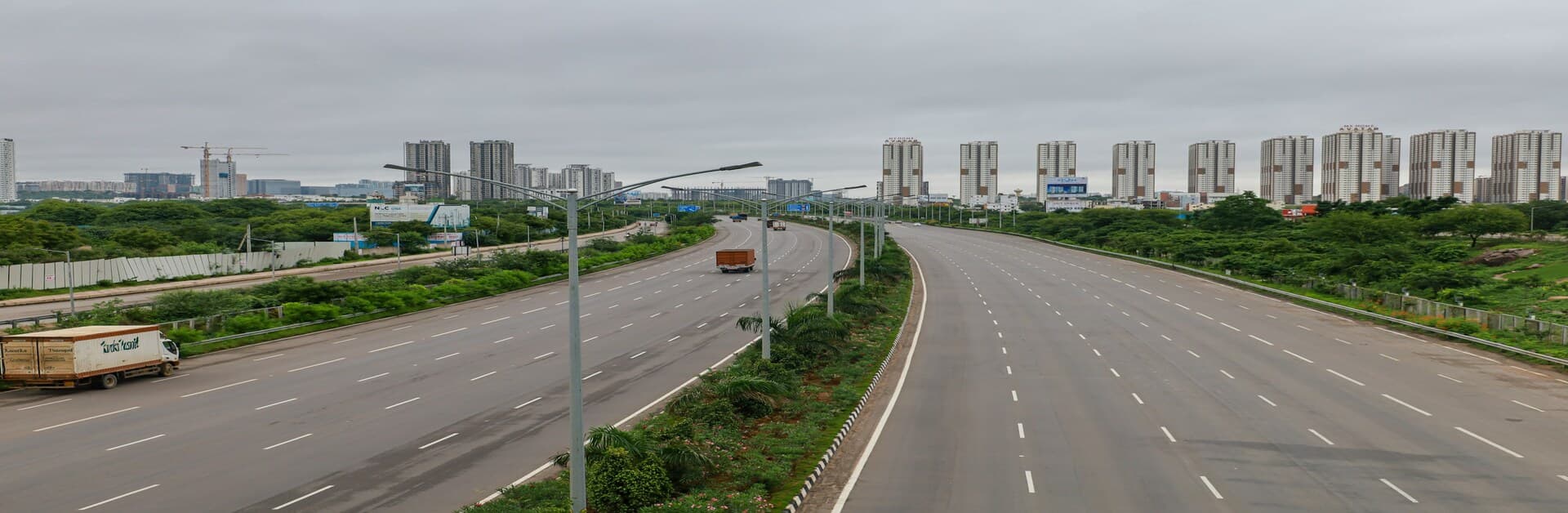
Future City Hyderabad: Planned Infrastructure, Connectivity and Land Use
Future City Hyderabad is a planned urban expansion focused on infrastructure-led growth, strong connectivity, and structured land use, shaping the city’s long-term real estate future.
Contents
Hyderabad’s growth story is entering a new phase with the development of Future City Hyderabad, a large-scale urban expansion planned to support the city’s long-term economic, residential, and infrastructural needs. Designed as a next-generation urban zone, Future City aims to decongest existing hubs while creating a balanced ecosystem for work, living, and innovation.
With structured planning, modern connectivity, and clearly defined land-use strategies, future city development is expected to play a critical role in shaping Hyderabad’s urban future.
What Is Future City Hyderabad?
Future City Hyderabad is a proposed integrated urban region planned to the south-east of the city, near existing growth corridors. Unlike organic urban sprawl, Future City is being developed with a master-plan approach that prioritizes infrastructure, zoning clarity, and sustainability.
The vision behind future city development is to create a self-sufficient city that can support industries, residential communities, institutional zones, and green spaces, reducing pressure on Hyderabad’s core areas.
1. Planned Infrastructure as the Growth Backbone
One of the strongest aspects of Future City Hyderabad is its infrastructure-first approach. Roads, utilities, public transport, and civic amenities are planned before large-scale occupation, which is a key differentiator from older city expansions.
Wide arterial roads, designated logistics corridors, and smart utility planning form the backbone of Future City. This systematic approach is expected to support long-term growth and make future city real estate more resilient and attractive for planned development.
2. Connectivity & Regional Integration
Connectivity is central to the success of Future City Hyderabad. The region is planned to integrate seamlessly with Hyderabad’s existing road networks and upcoming transit corridors. Proximity to ORR-linked routes and proposed expressways strengthens access to business districts and the airport.
As connectivity improves, future city development is likely to benefit from faster commute times and stronger regional integration. This enhanced accessibility plays a major role in shaping demand for future city real estate over the medium to long term.
3. Strategic Land Use Planning
Clear land-use zoning is one of the defining features of Future City. The master plan outlines dedicated zones for residential, commercial, industrial, institutional, and recreational use. This structured zoning helps prevent haphazard development and ensures functional efficiency.
For stakeholders evaluating future city real estate, this clarity reduces risk and improves predictability. Well-defined land use also supports sustainable future city development, balancing economic growth with environmental considerations.
4. Future City Real Estate: Long-Term Perspective
From an investment and urban planning standpoint, future city real estate is positioned as a long-term opportunity rather than a short-term speculative market. The focus on infrastructure readiness and zoning discipline supports gradual, stable value creation.
As Future City Hyderabad evolves, demand is expected to grow across residential and mixed-use segments. However, the true value of future city development lies in its ability to attract organized growth rather than unplanned expansion.
Why Future City Matters to Hyderabad’s Growth
Hyderabad’s existing growth corridors have reached varying levels of maturity. Future City provides the city with a planned outlet for expansion, ensuring that growth remains structured and sustainable.
By aligning infrastructure, land use, and connectivity, Future City Hyderabad represents a forward-looking model of urban development, one that could redefine how large Indian cities plan for the future.
Conclusion
Future City Hyderabad is more than just a new development zone, it is a strategic response to the city’s long-term urban needs. With planned infrastructure, strong connectivity, and disciplined land-use planning, Future City is set to play a vital role in Hyderabad’s next growth phase. As future city development progresses, its impact on future city real estate will be shaped by planning quality, execution timelines, and sustainable growth principles.