

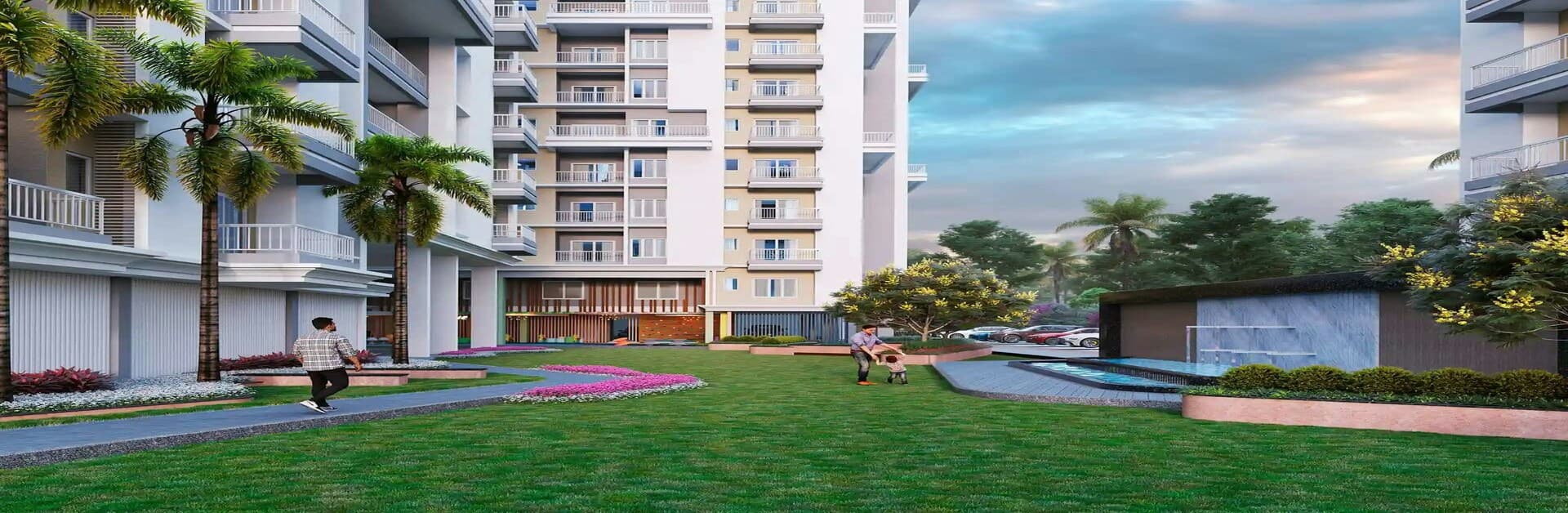
Feng Shui vs Vastu: Similarities, Differences and Practical Tips for Modern Homes
This blog compares Feng Shui and Vastu, highlighting their similarities, differences, and practical applications in modern homes. It explores Feng Shui principles, colours, remedies, and plants while also covering Vastu tips for wealth and positive energy. The article helps homeowners understand how both traditions can be adapted to contemporary residential design.
Contents
- Understanding Feng Shui and Vastu
- Feng Shui vs Vastu: Key Similarities
- Feng Shui vs Vastu: Major Differences
- Feng Shui Principles for Modern Homes
- Popular Feng Shui Remedies
- Feng Shui Plants for Home
- Feng Shui Colors for Home
- Vastu Tips for Wealth and Positive Energy
- Combining Feng Shui and Vastu in Modern Homes
- Conclusion
For centuries, homeowners across different cultures have followed traditional systems that aim to create balanced and harmonious living spaces. In India, Vastu Shastra remains one of the most widely followed architectural philosophies, while Feng Shui has its roots in ancient Chinese traditions. Although both systems focus on energy flow, spatial balance, and wellbeing, they differ significantly in their methods and interpretations.
Today, many homeowners explore feng shui home design alongside Vastu principles when planning interiors, selecting colours, arranging furniture, or designing outdoor spaces. Understanding feng shui vs vastu can help homeowners make informed decisions while creating spaces that reflect both personal beliefs and practical lifestyle requirements.
Understanding Feng Shui and Vastu
Before comparing the two systems, it is important to understand their foundations.
Feng shui home design is based on the Chinese concept of balancing energy, known as Chi, within a living environment. It emphasizes orientation, natural elements, furniture placement, colours, and symbolic objects to promote harmony and wellbeing.
Vastu Shastra, on the other hand, is an ancient Indian architectural science that focuses on directional alignments, natural forces, and spatial planning. Many homeowners follow vastu for positive energy to create balanced living environments that support comfort and prosperity.
Both systems aim to enhance harmony within residential spaces, though their methodologies differ considerably.
Feng Shui vs Vastu: Key Similarities
When discussing feng shui vs vastu, several common themes become apparent.
Both systems:
- Emphasize energy balance within living spaces
- Encourage natural light and ventilation
- Promote organized and clutter-free environments
- Consider directional influences
- Integrate natural elements into home design
Many practitioners believe that both feng shui principles and Vastu guidelines contribute to a more comfortable and peaceful home environment. While the terminology differs, both approaches seek to improve the relationship between residents and their surroundings.
Another common element is the belief that thoughtful design can influence emotional wellbeing and overall lifestyle quality.
Feng Shui vs Vastu: Major Differences
Despite their similarities, feng shui vs vastu comparisons reveal several important distinctions.
Vastu relies heavily on fixed directional principles and architectural planning. Room placement, entrances, and building orientation are often determined according to specific directional guidelines.
In contrast, feng shui principles offer greater flexibility and frequently incorporate symbolic remedies to balance energy. Feng Shui often uses tools such as the Bagua map to analyze spaces and identify areas associated with wealth, relationships, health, and career growth.
Additionally, feng shui home design frequently focuses on interior arrangements and decorative adjustments, whereas Vastu often influences the structural layout of a property from the planning stage.
Feng Shui Principles for Modern Homes
Several feng shui principles remain popular among homeowners seeking balanced and aesthetically pleasing interiors.
Common recommendations include:
- Maintaining clutter-free spaces
- Maximizing natural light
- Encouraging smooth movement throughout the home
- Incorporating natural materials and textures
- Balancing the five Feng Shui elements: wood, fire, earth, metal, and water
Modern feng shui home design often adapts these concepts to suit contemporary apartments and urban homes without requiring major structural changes.
These principles can complement practical design goals by promoting organized, functional, and visually appealing living spaces.
Popular Feng Shui Remedies
One of the distinctive features of Feng Shui is the use of symbolic adjustments known as feng shui remedies.
Examples include:
- Mirrors to enhance light and visual openness
- Water features representing abundance
- Crystals believed to improve energy balance
- Wind chimes for symbolic energy movement
- Decorative objects placed according to Feng Shui zones
Many homeowners use feng shui remedies as decorative enhancements that align with personal beliefs while improving the visual appeal of interiors.
While these practices are largely cultural and symbolic, they continue to be popular in residential design.
Feng Shui Plants for Home
Indoor greenery plays an important role in Feng Shui philosophy. Certain feng shui plants for home are believed to encourage vitality, growth, and positive energy.
Popular examples include:
- Money Plant
- Bamboo Plant
- Peace Lily
- Jade Plant
- Areca Palm
These feng shui plants for home are often chosen not only for symbolic reasons but also for their ability to improve indoor aesthetics and air quality.
In modern feng shui home design, plants help soften interiors and create stronger connections with nature.
Feng Shui Colors for Home
Colour selection is another significant aspect of Feng Shui.
Different feng shui colors for home are associated with specific energies and emotions. For example:
- Green symbolizes growth and renewal
- Blue represents calmness and balance
- Yellow is linked to optimism and warmth
- White signifies clarity and simplicity
- Red symbolizes energy and enthusiasm
Many homeowners incorporate feng shui colors for home through walls, furnishings, décor elements, and accent pieces.
These colour choices can also complement contemporary interior design trends while reflecting Feng Shui concepts.
Vastu Tips for Wealth and Positive Energy
Just as Feng Shui includes wealth-related practices, Vastu also provides recommendations associated with prosperity and wellbeing.
Common vastu tips for wealth often focus on maintaining organized spaces, ensuring proper ventilation, and paying attention to the placement of valuables and important household elements.
Many homeowners follow vastu for positive energy by keeping entrances welcoming, maximizing natural light, and reducing clutter throughout the home.
These vastu tips for wealth are often incorporated alongside practical home maintenance and design strategies.
Combining Feng Shui and Vastu in Modern Homes
Many contemporary homeowners do not strictly follow one system over the other. Instead, they selectively adopt ideas that align with their preferences and lifestyle.
For example, a homeowner may use feng shui plants for home to enhance greenery while also applying vastu for positive energy principles related to ventilation and spatial organization.
Similarly, feng shui colors for home can complement Vastu-inspired layouts, creating interiors that feel both harmonious and aesthetically balanced.
The key is to prioritize functionality, comfort, and personal satisfaction while respecting cultural preferences.
Conclusion
The debate around feng shui vs vastu continues because both systems offer unique perspectives on creating balanced living spaces. While Vastu focuses more on directional planning and architectural alignment, Feng Shui emphasizes energy flow, symbolism, and interior arrangements.
Whether exploring feng shui home design, implementing feng shui remedies, incorporating feng shui plants for home, or following vastu tips for wealth, homeowners have numerous ways to personalize their spaces. Ultimately, combining thoughtful design with practical living requirements can help create homes that are comfortable, functional, and welcoming.