

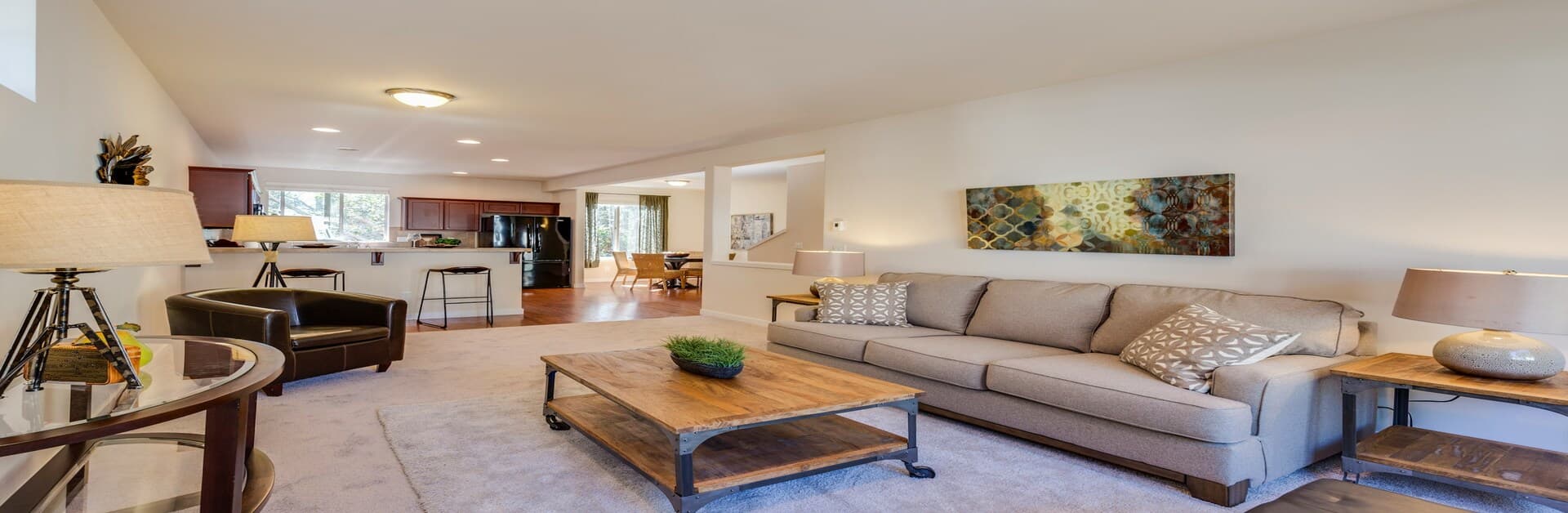
Designing Homes That Support Work-From-Home Lifestyles
This blog explores how modern homes are evolving to support work from home needs through dedicated workspaces, flexible layouts, and smart interiors. It highlights how luxury homes and luxury apartments are adapting with ergonomic design and evolving interior design trends to improve productivity, comfort, and work-life balance in remote and hybrid work environments.
Contents
- The Rise of Work-From-Home Home Design
- Why Luxury Homes Are Adapting Faster
- Luxury Apartments and Flexible Living Spaces
- Interior Design Trends Supporting Work From Home
- Creating Productive Workspaces at Home
- Technology Integration in Modern Homes
- Balancing Work and Personal Life
- Future of Home Design for Remote Work
- Conclusion
The shift toward remote and hybrid work has completely transformed how homes are designed and used. Today, homes are no longer just living spaces, they also function as offices, creative studios, and productivity zones. This evolution has made work from home a central consideration in modern residential planning, especially in urban housing and premium developments.
Developers and designers are now focusing on creating flexible layouts, ergonomic furniture zones, and multifunctional spaces that support both personal comfort and professional productivity. This shift is particularly visible in modern luxury homes and luxury apartments, where lifestyle-driven design has become a key selling point.
The Rise of Work-From-Home Home Design
The growing importance of work from home home design has led to a rethinking of traditional apartment layouts. Instead of treating workspaces as an afterthought, modern homes now integrate dedicated study corners, compact offices, and hybrid living-work zones.
Research shows that well-planned workspaces at home improve focus, reduce stress, and support better work-life balance by creating mental separation between professional and personal spaces. (washingtonpost.com.in)
Even in compact urban apartments, designers are using smart zoning techniques such as partitions, window-side desks, and modular furniture to create efficient work from home home design solutions.
Why Luxury Homes Are Adapting Faster
Luxury homes are leading the transformation in work-from-home living because they offer more space, customization options, and advanced design flexibility. Developers are increasingly incorporating dedicated office rooms, soundproof work zones, and smart lighting systems into premium residences.
In high-end housing, luxury homes are designed not just for comfort but also for productivity, allowing residents to seamlessly switch between work and relaxation without compromising either.
Biophilic design, natural lighting, and wellness-focused interiors are also being widely adopted in luxury homes, improving mental well-being and productivity.
Luxury Apartments and Flexible Living Spaces
Modern luxury apartments are now being planned with multi-functional layouts that support hybrid lifestyles. Instead of rigid room definitions, spaces are becoming more adaptable to changing needs.
Many luxury apartments now include convertible work areas, foldable desks, and shared coworking lounges within residential complexes. These features help residents maintain productivity without sacrificing living space.
Design trends in luxury apartments also focus on acoustic comfort, natural ventilation, and ergonomic furniture integration, ensuring that work-from-home professionals can operate efficiently in shared environments.
Interior Design Trends Supporting Work From Home
Current interior design trends strongly reflect the influence of remote work culture. Designers are prioritizing functionality, comfort, and minimal distraction over purely decorative aesthetics.
Key interior design trends include:
- Multi-functional furniture such as foldable desks and storage beds
- Dedicated work zones integrated into living spaces
- Use of natural lighting to reduce fatigue
- Neutral and calming color palettes for better focus
- Smart home integration for lighting and climate control
These evolving interior design trends ensure that homes remain both visually appealing and highly functional for modern professionals.
Creating Productive Workspaces at Home
A successful work from home home design strategy focuses on separating work zones from relaxation areas. Even in smaller homes, this can be achieved through creative space planning.
Some effective design approaches include:
- Positioning desks near windows for natural light
- Using partitions or bookshelves to define workspace boundaries
- Incorporating ergonomic seating to support long working hours
- Minimizing clutter to improve concentration
These simple adjustments significantly enhance productivity while maintaining the comfort expected in modern homes.
Technology Integration in Modern Homes
Technology plays a key role in supporting work from home lifestyles. Smart lighting, high-speed connectivity, and voice-controlled devices are becoming standard in both luxury homes and luxury apartments.
Automated lighting systems, adjustable desk setups, and smart climate control help create optimized working environments. These innovations are now a core part of evolving interior design trends, especially in premium residential developments.
Balancing Work and Personal Life
One of the biggest challenges of remote work is maintaining balance between professional and personal life. Thoughtful work from home home design helps create physical and psychological boundaries that support this balance.
For example, separating workspaces from bedrooms or living areas helps reduce mental fatigue. In luxury homes, dedicated office rooms or private study zones provide even stronger separation, improving overall lifestyle quality.
Future of Home Design for Remote Work
As hybrid work becomes more permanent, the demand for homes designed around productivity will continue to grow. Future interior design trends are expected to focus even more on adaptability, wellness, and smart integration.
Both luxury homes and luxury apartments will increasingly include dedicated workspaces as a standard feature rather than an optional upgrade. This reflects the long-term impact of work from home culture on real estate development.
Conclusion
The rise of remote work has permanently reshaped residential design expectations. Modern homes must now support both lifestyle comfort and professional productivity. Through thoughtful work from home home design, developers are transforming how spaces are used and experienced.
As demand grows for flexible living, luxury homes and luxury apartments are leading the way with innovative layouts and technology-driven solutions. With evolving interior design trends, the future of housing will continue to prioritize adaptability, wellness, and work-life integration.