

Delhi-Mumbai Expressway: Key Information You Should Know
Contents
- Delhi-Mumbai Expressway Route
- Travel Time Reduction
- Connectivity with Other Expressways
- Features and Benefits of Delhi-Mumbai Expressway
- Key Features of Delhi-Mumbai Expressway
- Benefits of Delhi-Mumbai Expressway
- Current Status of Delhi-Mumbai Expressway
- The Final Word
- Frequently Asked Questions
- Which state does the Delhi to Mumbai Expressway pass through?
- Which national highway connects Delhi and Mumbai?
- How much time will it take to travel from Delhi to Mumbai by the new expressway?
- Will the Delhi-Mumbai Expressway connect to other expressways?
- When is the Delhi-Mumbai Expressway completion date?
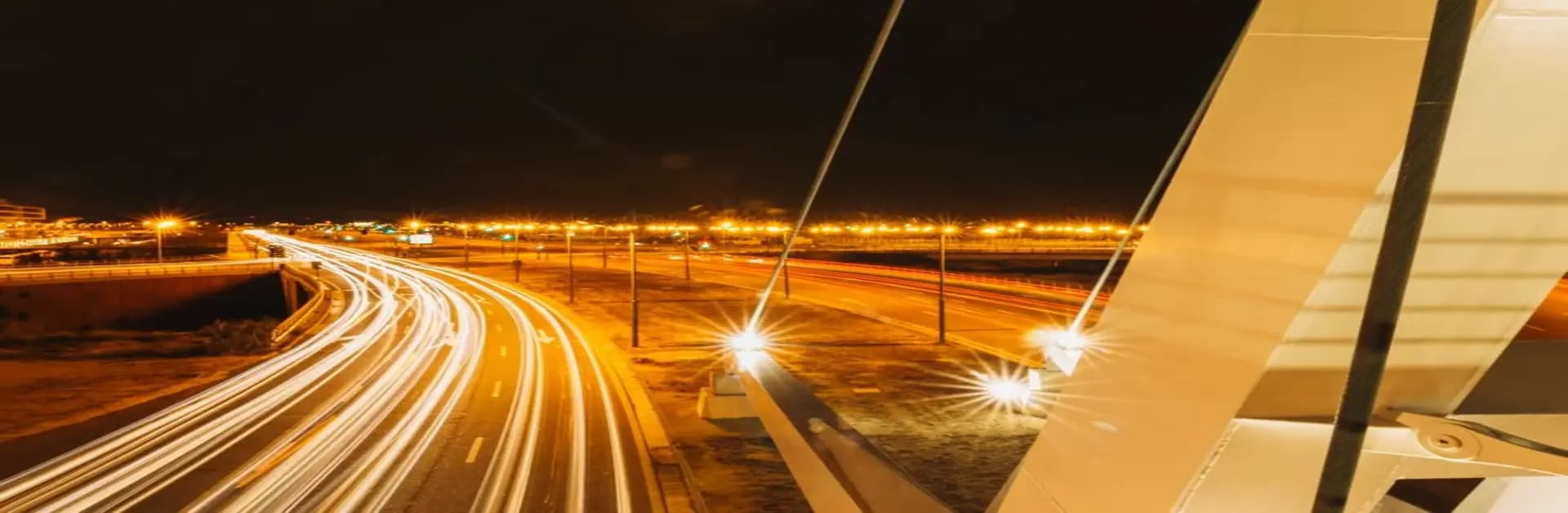
The Delhi-Mumbai Expressway is one of India's most ambitious infrastructure projects, aiming to revolutionise connectivity between the national capital, Delhi, and the financial hub, Mumbai. Spanning approximately 1,350 kilometres and significantly reducing the Delhi Mumbai road distance in terms of travel time, this six-lane, high-speed expressway is designed to facilitate seamless travel, boost economic growth, and enhance regional development. Here’s everything you need to know about this landmark greenfield highway project
Delhi-Mumbai Expressway Route
The Delhi-Mumbai Expressway route traverses several key states, enhancing connectivity across northern and western India and strengthening the country’s intercity expressway network. The expressway passes through:
- Delhi
- Haryana
- Rajasthan
- Madhya Pradesh
- Gujarat
- Maharashtra
This strategic route connects major cities and various industrial corridors, promoting trade and mobility across the nation.
Completion Date of Delhi-Mumbai Expressway
The Delhi-Mumbai Expressway reached its full completion in mid-2024, with all sections officially opened for public use by December 2024. Prior to full completion, significant segments were operational, enabling faster travel between key points even before the entire stretch was finalised.
Travel Time Reduction
One of the most significant advantages of the Delhi-Mumbai Expressway is the drastic reduction in travel time. The expressway cuts down the journey from Delhi to Mumbai to approximately 12 - 13 hours, compared to the traditional route via National Highway 48 (NH48), which takes about 24 hours. This improvement positions the expressway as a major high speed road corridor, enhancing both passenger travel and freight movement while contributing to economic efficiency.
Connectivity with Other Expressways
The Delhi-Mumbai Expressway is designed to integrate seamlessly with India's extensive network of expressways, enhancing overall connectivity. Key connections include:
- Western Peripheral Expressway: Facilitates access to Delhi's western regions.
- Jaipur Ring Road: Enhances connectivity to Rajasthan's capital, Jaipur.
- Gujarat's Industrial Corridors: Links major industrial hubs within Gujarat.
These connections ensure that the expressway serves as a direct link between Delhi and Mumbai and as a vital artery connecting various parts of the country.
Features and Benefits of Delhi-Mumbai Expressway
Key Features of Delhi-Mumbai Expressway
- Six Lanes: Ensures smooth and high-speed travel with minimal congestion.
- State-of-the-art toll Plazas: Equipped with electronic toll collection systems for faster processing.
- Service Lanes: Provide access to rest stops, fuel stations, and eateries.
- Safety Measures: These include wide medians, advanced lighting systems, and surveillance for enhanced safety.
Benefits of Delhi-Mumbai Expressway
- Economic Growth: Boosts trade and commerce by reducing transportation costs and time.
- Employment Opportunities: Generates jobs during construction and in maintenance post-completion.
- Regional Development: Promotes growth in cities and towns along the route.
- Enhanced Mobility: Provides a reliable and efficient route for travellers and businesses.
Current Status of Delhi-Mumbai Expressway
As of December 2024, the Delhi-Mumbai Expressway is fully operational. All sections are open, and regular traffic flows smoothly between Delhi and Mumbai. The expressway has already started contributing to reduced travel times and has become a preferred route for both personal and commercial transportation.
The Final Word
The Delhi-Mumbai Expressway stands as a testament to India's commitment to developing world-class infrastructure. By significantly reducing travel time, enhancing connectivity, and fostering economic growth, this expressway is set to become a vital lifeline between two of India's most important cities. Whether you're a traveller, a business owner, or a resident along the route, the Delhi-Mumbai Expressway offers numerous benefits that are reshaping the landscape of Indian transportation.