

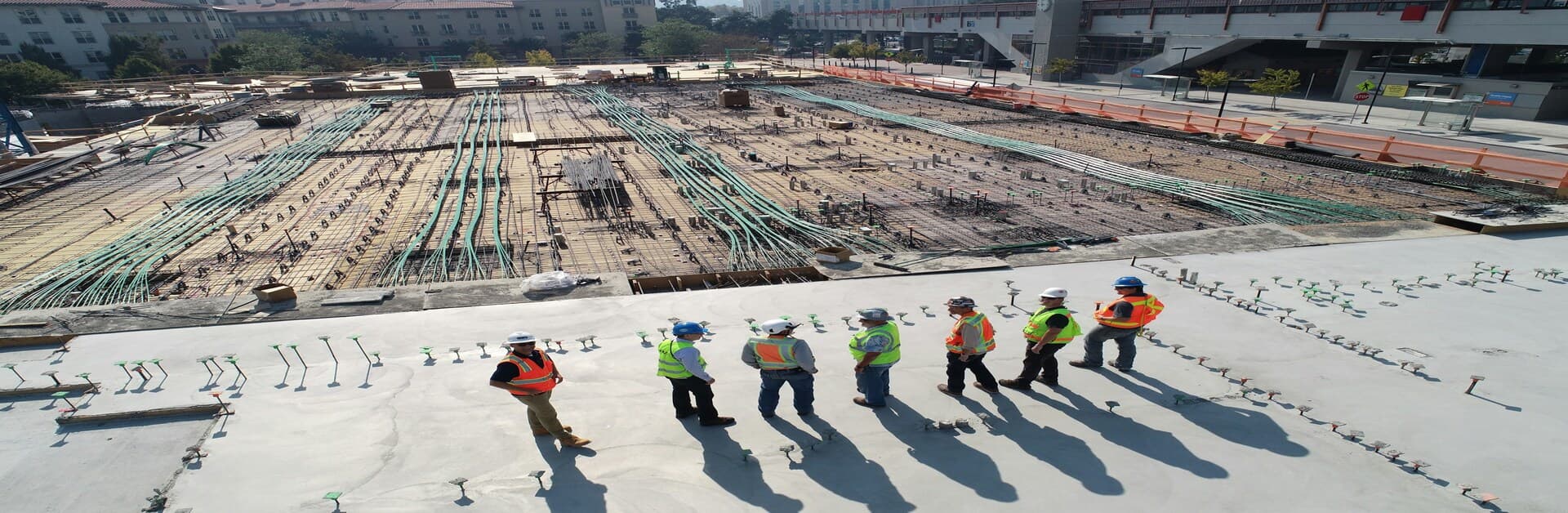
How Construction Quality Impacts Long-Term Property Value
Contents
- Why Construction Standards Matter
- Impact on Maintenance and Operating Costs
- Influence on Resale and Rental Demand
- Role of Construction Quality Control in Project Delivery
- How Quality Assurance Protects Long-Term Value
- Material Selection and Structural Integrity
- Buyer Confidence and Brand Credibility
- Long-Term Investment Perspective
- Conclusion
When purchasing real estate, buyers often focus on location, amenities, and pricing. However, one factor that consistently determines long-term performance is quality construction. From structural stability to everyday comfort, construction standards directly influence durability, maintenance costs, and resale potential. Properties built with strong quality benchmarks tend to retain value longer and offer greater peace of mind. Understanding how construction quality shapes long-term outcomes helps buyers make informed decisions that protect both lifestyle and investment.
Why Construction Standards Matter
Strong foundations, reliable materials, and precise execution form the backbone of any successful residential project. Quality construction ensures that buildings withstand environmental stress, usage over time, and changing climatic conditions. Poor workmanship, on the other hand, often leads to recurring repairs, water seepage, and structural deterioration.
Developers who prioritise high quality construction create homes that require fewer interventions, resulting in lower ownership costs over the years. This consistency not only improves daily living experiences but also supports long-term value retention.
Impact on Maintenance and Operating Costs
Well-built properties generally incur fewer repair expenses. Proper plumbing layouts, durable flooring, and sound electrical systems reduce breakdowns and unexpected costs. This is where construction quality control plays a vital role, as it ensures each stage of development meets predefined standards.
Projects backed by strong construction quality assurance processes undergo regular inspections, testing, and compliance checks. These practices help eliminate defects before completion, protecting homeowners from future inconveniences and expenses.
Influence on Resale and Rental Demand
Homes built with quality construction consistently attract stronger buyer interest in the resale market. Prospective buyers often assess visible indicators such as wall finishes, window fittings, and common area upkeep to judge build standards.
Rental tenants also gravitate toward developments known for high quality construction, as these typically offer better insulation, noise control, and overall comfort. Properties that maintain their structural integrity over time enjoy higher occupancy rates and stable rental yields.
Role of Construction Quality Control in Project Delivery
Effective construction quality control ensures that materials, workmanship, and safety protocols align with approved specifications. This involves monitoring concrete strength, reinforcement placement, waterproofing systems, and finishing standards throughout the construction lifecycle.
By implementing structured checks at every stage, developers minimise defects and ensure consistency across residential units. Strong quality control frameworks also help projects adhere to timelines, preventing costly rework and delays that can impact buyer confidence.
How Quality Assurance Protects Long-Term Value
While quality control focuses on execution, construction quality assurance establishes the systems that guide the entire development process. From supplier selection to site audits, assurance mechanisms ensure every component meets regulatory and performance benchmarks.
Homes developed under comprehensive assurance programs demonstrate better longevity, making them more attractive to future buyers. This structured approach reinforces quality construction, safeguarding properties against premature ageing and functional issues.
Material Selection and Structural Integrity
Material choices significantly influence durability. From concrete mixes to insulation systems, every element contributes to overall performance. Projects that emphasise high quality construction use certified materials that enhance safety, energy efficiency, and acoustic comfort.
Superior material standards also reduce susceptibility to cracks, corrosion, and weather damage. Over time, this attention to detail translates into lower maintenance needs and stronger resale appeal.
Buyer Confidence and Brand Credibility
Developments known for quality construction build trust among buyers and investors alike. Reputation plays a powerful role in real estate decisions, and projects delivered with consistent quality benchmarks command greater market respect.
Transparent processes supported by construction quality control and construction quality assurance strengthen buyer confidence. This credibility directly impacts how properties are perceived in competitive markets, influencing both pricing and liquidity.
Long-Term Investment Perspective
From an investment standpoint, construction quality directly affects asset performance. Well-built properties depreciate more slowly and offer better protection against market fluctuations. Over extended holding periods, homes developed with high quality construction typically outperform those built with compromised standards.
For buyers planning long-term ownership, prioritising quality ensures stable living conditions while preserving capital value.
Conclusion
Construction standards are not just technical details—they are fundamental drivers of property performance. Through quality construction, supported by rigorous construction quality control and construction quality assurance, residential projects achieve durability, comfort, and sustained market appeal. Buyers who prioritise strong build quality position themselves for lower maintenance costs, better resale prospects, and long-term financial stability. In real estate, construction quality is ultimately an investment in lasting value.